Top 10 Myths About Rajah Cichlids Debunked
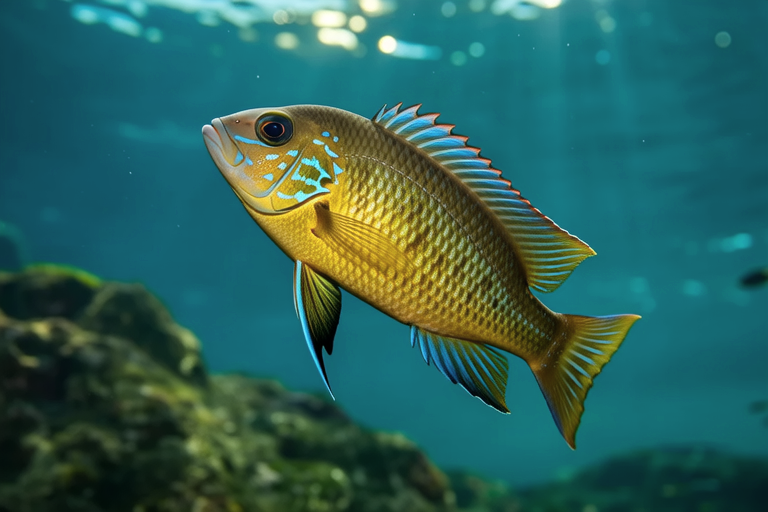
Rajah cichlids, scientifically known as Aequidens rivulatus, are captivating freshwater fish native to the rivers of South America. These vibrant, robust fish have gained significant popularity among aquarium enthusiasts due to their striking appearance and dynamic behavior. The Rajah cichlid’s distinct coloration, which can vary from shades of red and blue to green and yellow, makes it a standout in any tank. Beyond their aesthetic appeal, Rajah cichlids are valued for their active nature and engaging interactions within the aquatic environment. However, like many popular aquarium species, Rajah cichlids come with a set of misconceptions that can lead to improper care and misunderstanding. This article aims to dispel the top ten myths surrounding Rajah cichlids, offering valuable insights to ensure these fish thrive in captivity.
Myth 1: Rajah Cichlids Are Suitable for Beginners
One of the most prevalent myths about Rajah cichlids is that they are ideal for novice aquarists. While they may seem attractive and manageable at first glance, Rajah cichlids require specific conditions that can be challenging for beginners. These fish demand larger tanks, precise water parameters, and a diet that supports their health. The recommended tank size for a single Rajah cichlid is no less than 55 gallons, and it increases with each additional fish. Additionally, maintaining stable pH levels between 6.0 and 7.5 and a temperature range of 74 to 82 degrees Fahrenheit is crucial for their well-being. Novice aquarists might find it easier to start with simpler species until they gain more experience in managing water quality and tank conditions.
Myth 2: Rajah Cichlids Can Thrive in Any Water Condition
Another misconception is that Rajah cichlids can adapt to any water condition, making them versatile for various setups. In reality, these fish are sensitive to changes in water chemistry. They prefer slightly acidic water with a hardness level of around 4 to 8 dGH. Rapid fluctuations in pH or sudden changes in temperature can stress Rajah cichlids, leading to health issues. It is essential to perform regular water tests and make gradual adjustments to maintain optimal conditions. Using a high-quality filter and ensuring adequate aeration can also help stabilize the tank environment.
Myth 3: Rajah Cichlids Are Peaceful Community Fish
There is a widespread belief that Rajah cichlids are peaceful and suitable for community tanks. However, this is far from the truth. Rajah cichlids are territorial and can become aggressive, especially during breeding seasons. They may display hostile behaviors towards other fish, including fin nipping and chasing. To prevent conflicts, it is advisable to house Rajah cichlids in species-specific tanks or with compatible, similarly sized fish that can hold their own. Providing ample hiding spots and territories can also reduce aggression.
Myth 4: Rajah Cichlids Require a Diet of Live Foods Only
Many aquarists believe that Rajah cichlids must be fed live foods exclusively. While they enjoy live foods such as brine shrimp and bloodworms, a varied diet is more beneficial for their health. A balanced diet for Rajah cichlids includes high-quality pellets, flakes, and frozen foods like krill and spirulina. Incorporating vegetables like spinach and zucchini can also provide necessary nutrients. Feeding a diverse diet ensures that Rajah cichlids receive all the vitamins and minerals they need, promoting better overall health.
Myth 5: Rajah Cichlids Do Not Need Substrate
Some aquarists mistakenly think that Rajah cichlids do not require substrate in their tanks. However, substrate plays a crucial role in mimicking their natural habitat and supporting their feeding habits. A fine-grained sand or small gravel substrate is preferable, as it allows Rajah cichlids to sift through the material while searching for food. This behavior is not only natural but also enriches their daily activities, contributing to their mental and physical well-being.
Myth 6: Rajah Cichlids Do Not Need Hiding Places
Contrary to the belief that Rajah cichlids do not need hiding places, providing adequate shelter is essential for their comfort and security. Hiding spots, such as caves and plants, offer refuge and reduce stress. In the wild, Rajah cichlids seek cover from predators and during territorial disputes. In captivity, these hiding spots serve a similar purpose, helping to create a less stressful environment and encouraging natural behaviors.
Myth 7: Rajah Cichlids Are Easy to Breed
While Rajah cichlids are capable of breeding in captivity, it is often assumed that they are easy to breed. Breeding Rajah cichlids requires specific conditions and careful planning. Proper water parameters, a suitable breeding pair, and the right environment are critical for successful breeding. Once bred, the fry need to be carefully raised with appropriate food and care, as they are susceptible to diseases and predation. Patience and attention to detail are key to successfully breeding Rajah cichlids.
Myth 8: Rajah Cichlids Do Not Need Regular Maintenance
The notion that Rajah cichlids do not require regular maintenance is a common misconception. Like all fish, Rajah cichlids benefit from consistent tank maintenance. Weekly water changes of 20% to 30% are recommended to keep water quality high and prevent the buildup of harmful substances. Regular cleaning of filters and equipment is also important to ensure proper functioning. Neglecting these maintenance tasks can lead to health issues and decreased water quality, affecting the overall well-being of the fish.
Myth 9: Rajah Cichlids Are Not Affected by Stress
Another myth is that Rajah cichlids are resilient and not affected by stress. In reality, Rajah cichlids can suffer from stress just like any other fish. Stress can manifest in various ways, including loss of appetite, lethargy, and physical ailments. To minimize stress, it is important to provide a stable environment, avoid overcrowding, and handle the fish gently when necessary. Observing their behavior regularly can help identify signs of stress early on, allowing for prompt action to alleviate it.
Myth 10: Rajah Cichlids Are Short-Lived Fish
Finally, there is a misconception that Rajah cichlids have a short lifespan. With proper care, Rajah cichlids can live up to 10 years or more. Factors such as water quality, diet, and overall care significantly influence their longevity. Ensuring a healthy, enriched environment and addressing any health issues promptly can extend their lifespan and enhance their quality of life.
Tips for Maintaining Healthy Rajah Cichlid Tanks
Maintaining a healthy tank for Rajah cichlids involves several key practices:
- Proper Tank Size: Ensure you have a tank of at least 55 gallons for a single Rajah cichlid.
- Water Parameters: Keep pH levels between 6.0 and 7.5 and maintain temperatures between 74 and 82 degrees Fahrenheit.
- Diet: Provide a varied diet that includes pellets, flakes, frozen foods, and occasional live foods.
- Substrate and Decorations: Use a fine-grained substrate and add plenty of hiding spots and plants.
- Maintenance: Perform weekly water changes and clean filters regularly.
We encourage readers to share their experiences or ask questions in the comments section below. Whether you’re a seasoned aquarist or just starting out, your insights and questions can contribute to a richer understanding of Rajah cichlids and their care.
