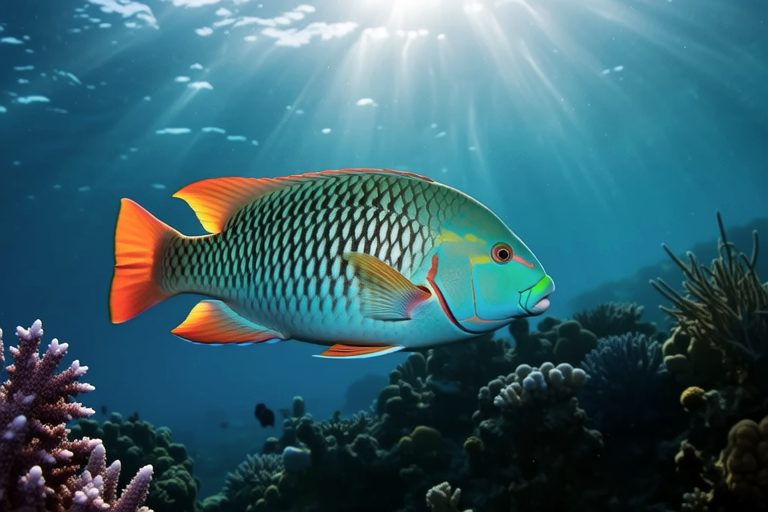
The Colorful World of Parrot Fish: Nature’s Underwater Artists
Parrot fish, with their vibrant colors and unique patterns, are some of the most visually striking creatures that inhabit our oceans. These remarkable fish are not only mesmerizing to watch but also play a crucial role in maintaining the health of coral reefs. Their bright hues range from electric blues and greens to fiery oranges and pinks, often adorned with intricate patterns that make each species easily recognizable. The variety of colors and designs on parrot fish can be attributed to their diet, environment, and evolutionary adaptations.
Habitat: Diverse Marine Environments
Parrot fish are found in tropical and subtropical waters around the world, thriving in diverse marine environments such as coral reefs, seagrass beds, and rocky shores. They prefer clear, warm waters and are typically found in depths ranging from shallow coastal areas to deeper reefs. These habitats provide ample food sources and shelter, allowing parrot fish to flourish. Coral reefs, in particular, offer a rich ecosystem with abundant algae and other small organisms that form the bulk of the parrot fish’s diet.
Behaviors and Roles in Coral Reef Ecosystems
Parrot fish are known for their unique behaviors that contribute significantly to the health of coral reefs. One of their most notable activities is their consumption of algae, which helps prevent overgrowth and allows corals to thrive. By grazing on algae, parrot fish ensure that coral surfaces remain clean and free from excessive vegetation. This behavior is crucial for maintaining the delicate balance within coral reef ecosystems, which are home to countless species of marine life.
Feeding Habits and Their Impact on Reef Health
Parrot fish have specialized teeth that form a parrot-like beak, which they use to scrape algae off rocks and coral. Their diet consists primarily of filamentous and calcareous algae, which they consume in large quantities. This feeding habit not only sustains them but also aids in the breakdown of calcium carbonate structures, contributing to the production of sand. As they eat, parrot fish produce fine particles of sand, which they excrete, thereby helping to maintain the beach and reef structure. This process is vital for the longevity and health of coral reefs, ensuring that they remain vibrant and productive ecosystems.
Lifecycle: From Spawning to Maturation
The lifecycle of parrot fish begins with spawning, during which females release thousands of eggs into the water, often in groups. These eggs are fertilized externally by males, and once hatched, the larvae drift in the open ocean for several weeks before settling on a reef. Juvenile parrot fish are usually smaller and less colorful than adults, gradually developing their characteristic vibrant hues as they mature. The lifespan of parrot fish varies depending on the species, but many live for several years, reaching maturity after about two to three years.
Threats to Parrot Fish Populations
Despite their importance to marine ecosystems, parrot fish face numerous threats that endanger their populations. Overfishing, habitat destruction, and climate change pose significant challenges to their survival. In some regions, parrot fish are heavily fished for human consumption, leading to population declines. Additionally, the degradation of coral reefs due to pollution, sedimentation, and rising sea temperatures further threatens their habitat. Conservation efforts are essential to protect these vital fish and the ecosystems they support.
Conservation Efforts
Various organizations and initiatives are working to conserve parrot fish populations and the coral reefs they call home. Marine protected areas (MPAs) have been established to safeguard critical habitats and limit fishing activities. Educational programs aim to raise awareness about the importance of parrot fish and encourage sustainable fishing practices. By supporting these efforts and promoting responsible tourism, we can help ensure the survival of these beautiful fish and the health of the reefs they inhabit.
In conclusion, parrot fish are more than just colorful underwater artists; they are vital components of coral reef ecosystems. Their vibrant appearance, unique behaviors, and critical roles in maintaining reef health make them fascinating subjects of study and admiration. By understanding and appreciating these remarkable creatures, we can work together to protect them and the precious marine environments they call home. Let us all do our part to ensure that future generations can continue to marvel at the colorful world of parrot fish.
