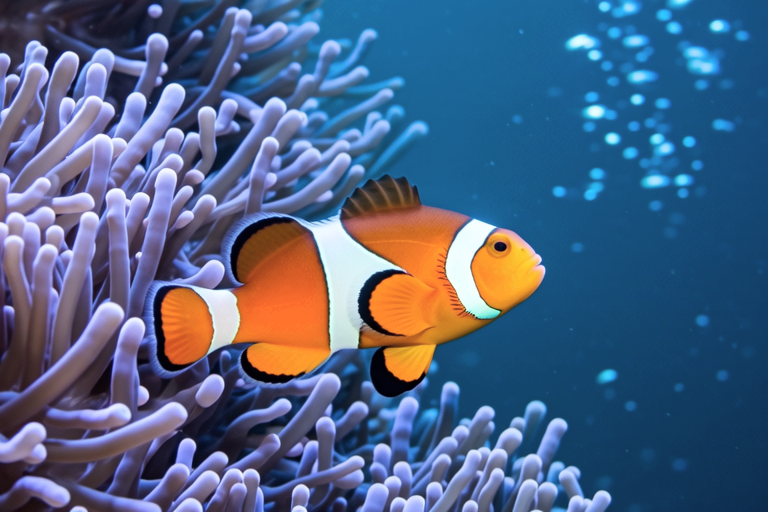
How to Create the Perfect Habitat for Your Clownfish at Home
Welcome to the fascinating world of marine aquariums! If you’re thinking about bringing home a clownfish, you’ve chosen an excellent and vibrant addition to your aquatic family. Known for their striking appearance and lively personalities, these fish are beloved by aquarists worldwide. However, providing the right habitat for your clownfish is crucial for their well-being and longevity. This guide will walk you through creating the perfect home for your clownfish, ensuring they thrive in their new environment.
The Tank Setup
Starting with the basics, the tank size plays a pivotal role in your clownfish’s happiness. A minimum tank size of 30 gallons is recommended for a single clownfish, but if you’re planning to keep more than one or introduce other fish, a larger tank will be necessary. The bigger the tank, the better it is for water quality and overall fish health.
Water Parameters
Maintaining stable water conditions is vital. The temperature should range between 76°F and 80°F, closely mimicking their natural reef environment. A heater and thermometer are essential tools to ensure this consistency. The pH level should hover around 8.1 to 8.4, slightly alkaline. Regular testing with a reliable test kit will help you monitor these levels accurately.
Filtration
Adequate filtration is key to keeping the water clean and healthy. Choose a filter that suits your tank size and ensures a turnover rate of at least four times per hour. Sponge filters are often recommended for clownfish tanks as they provide mechanical, biological, and chemical filtration without causing stress to these sensitive fish. Additionally, consider adding a protein skimmer to remove organic waste and maintain crystal-clear water.
Lighting
Clownfish are diurnal creatures, meaning they are active during the day. Providing them with appropriate lighting is essential for their daily routines and overall health. Opt for full-spectrum LED lights that offer a balanced light spectrum, simulating natural sunlight. Aim for 8 to 10 hours of light per day, followed by darkness for nighttime rest. Avoid sudden changes in lighting intensity to prevent stress.
Decorations and Plants
Creating an environment that mimics the clownfish’s natural habitat will make them feel more at home. Anemones are the primary choice for decoration, as clownfish have a symbiotic relationship with these sea creatures. However, live anemones can be challenging to care for, so many hobbyists opt for artificial anemones that look realistic and provide similar hiding spots.
In addition to anemones, include plenty of rockwork to create caves and crevices. These structures serve as shelter and encourage natural behaviors such as exploration and territorial marking. Live rock also contributes to the biological filtration system, promoting beneficial bacteria growth.
While clownfish do not require live plants, adding some can enhance the aesthetic appeal of your tank. Java ferns, Amazon swords, and java moss are popular choices due to their hardiness and ability to thrive in saltwater environments. Just ensure any plants are salt-tolerant and avoid those that may release toxins harmful to fish.
Maintaining Water Quality
Regular maintenance is crucial for sustaining a healthy aquarium. Perform weekly water changes of approximately 10-15% to remove accumulated toxins and refresh the water. Always use a dechlorinator to neutralize any harmful chemicals present in tap water. Employ a gravel vacuum to clean debris from the substrate during these water changes.
Monitor water parameters diligently using a reliable test kit. Keep track of ammonia, nitrite, and nitrate levels, aiming for zero ammonia and nitrite and nitrate levels below 20 ppm. Adjustments may be needed if these levels exceed the recommended ranges.
Regular Checks
Inspect your clownfish regularly for signs of illness or stress. Healthy clownfish should display vibrant colors, active behavior, and no visible signs of disease. Look out for abnormal swimming patterns, lethargy, loss of appetite, or physical lesions. Address any issues promptly to prevent potential health complications.
Compatible Tank Mates
Selecting compatible tank mates is essential for maintaining harmony within your aquarium. Clownfish generally coexist well with peaceful species such as cardinal tetras, yellow tangs, and blennies. Avoid aggressive or territorial fish that might bully or compete with your clownfish for resources. Research each potential tank mate thoroughly to ensure compatibility before introducing them to your aquarium.
Feeding Tips
Proper nutrition is vital for the health and vitality of your clownfish. Feed them a balanced diet consisting of high-quality flake food, pellets, and occasional treats like brine shrimp or mysis shrimp. Offer small, frequent meals throughout the day, allowing them to consume all food within a few minutes to prevent overfeeding and water pollution. Observe their eating habits to ensure they are receiving adequate nutrition and adjust feedings accordingly.
Conclusion
Capturing the essence of a reef environment in your home aquarium requires careful planning and attention to detail. By following the guidelines outlined in this article, you’ll be well on your way to creating an ideal habitat for your clownfish. Remember, the key to success lies in providing consistent water quality, suitable decorations, and a balanced diet. With dedication and effort, your clownfish will thrive in their new home, bringing joy and beauty to your living space.
