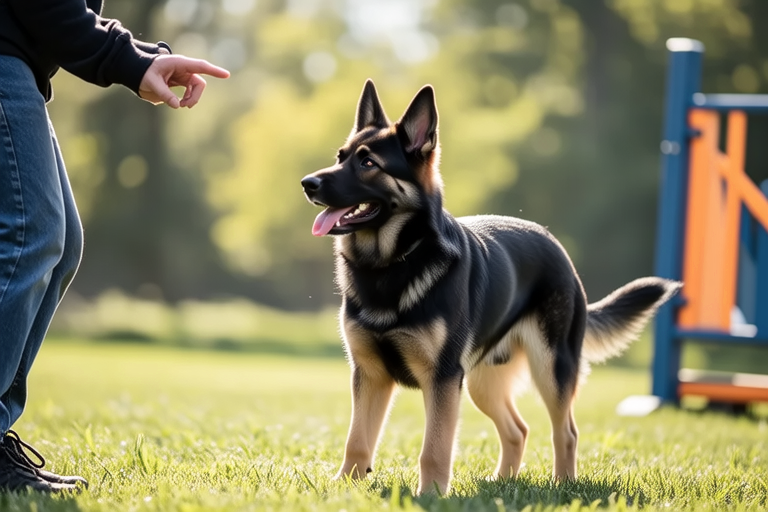
Training Tips for Every Stage of Life: How to Raise an Exceptional German Shepherd
Welcome to this comprehensive guide on raising an exceptional German Shepherd. Whether you’re a first-time owner or a seasoned handler, understanding the unique needs and characteristics of your German Shepherd can greatly enhance your bond with them. This article covers essential training tips from puppyhood through adulthood, focusing on socialization, basic commands, advanced training techniques, exercise needs, and mental stimulation.
Puppyhood: The Foundation of Training
The early months of your German Shepherd’s life are crucial for laying the groundwork for their future behavior. Socialization during this period is paramount as it helps your puppy become comfortable around different people, animals, and environments. Expose your puppy to various sights, sounds, and experiences to foster confidence and reduce fearfulness.
Begin teaching basic commands like ‘sit,’ ‘stay,’ and ‘come.’ Use positive reinforcement methods such as treats and praise to encourage good behavior. Consistency is key; ensure all family members use the same commands and rewards. Avoid harsh corrections or punishment, as these can lead to fear-based behaviors and hinder trust between you and your puppy.
Common Challenges and Solutions
Puppies often exhibit chewing, barking, and house-training issues. To address chewing, provide appropriate chew toys and redirect their attention when they start chewing on inappropriate items. For excessive barking, teach your puppy a ‘quiet’ command and reward them for being silent. House-training requires patience and consistency. Establish a routine for feeding, potty breaks, and crate training to help your puppy understand where and when to relieve themselves.
Adolescence: Navigating the Teenage Years
Between six months and two years old, your German Shepherd enters adolescence. This phase can be challenging due to increased energy levels and testing boundaries. Continue reinforcing basic commands while introducing more complex exercises like ‘leave it’ and ‘drop it.’ These commands are particularly useful for managing resource guarding and preventing accidents.
Advanced training techniques, such as clicker training, can be beneficial during this stage. Clicker training uses a small device that makes a clicking sound to mark desired behaviors before giving a treat. This method allows for precise timing and clear communication, making it easier to shape new behaviors.
Exercise Needs and Mental Stimulation
German Shepherds are an active breed that requires regular physical activity to maintain their health and well-being. Daily walks, runs, and play sessions are essential. Additionally, incorporate mental stimulation activities like puzzle toys, scent work, and obedience training to keep your dog engaged and prevent boredom-related behaviors.
Adulthood: Maintaining Discipline and Bonding
As your German Shepherd reaches adulthood, focus on maintaining discipline and strengthening your bond. Regular training sessions help reinforce commands and provide mental stimulation. Advanced training techniques, such as agility courses and obedience competitions, offer opportunities for both mental and physical challenge.
Understanding breed-specific traits is vital for effective training. German Shepherds are intelligent, loyal, and protective dogs that excel in roles like police work, search and rescue, and therapy. Their natural instincts make them excellent candidates for specific tasks, but proper training ensures they remain manageable and safe companions.
Building a Strong Bond
To build a strong bond with your German Shepherd, spend quality time together engaging in activities they enjoy. Play fetch, go for hikes, or practice tricks and commands. Positive interactions foster trust and deepen your connection. Always approach training with patience and encouragement, celebrating successes along the way.
Consistency and Positive Reinforcement
Consistency is crucial throughout your German Shepherd’s life. Ensure all family members use the same commands and follow established routines. Positive reinforcement, which involves rewarding desired behaviors, is more effective than punishment for shaping long-term habits. By focusing on what your dog does right rather than correcting mistakes, you create a positive learning environment that promotes cooperation and mutual respect.
Conclusion
Raising an exceptional German Shepherd requires dedication, patience, and understanding. By following these training tips tailored to each stage of life, you can help your dog develop into a well-behaved, confident, and loving companion. Remember that every dog is unique, so adapt these guidelines to suit your individual pet’s needs. With consistent effort and positive reinforcement, you’ll build a strong bond based on trust and mutual respect.
