The Intriguing World of Heterometrus Spinifer: A Lesser-Known Scorpion Species
Delve into the captivating realm of Heterometrus spinifer, a fascinating scorpion species native to Southeast Asia. This article explores its biology, habitat, behavior, and ecological role, separating fact from fiction and shedding light on common myths surrounding the species. We’ll also examine scientific insights, personal anecdotes, and the potential impact on conservation efforts.
Biology of Heterometrus Spinifer
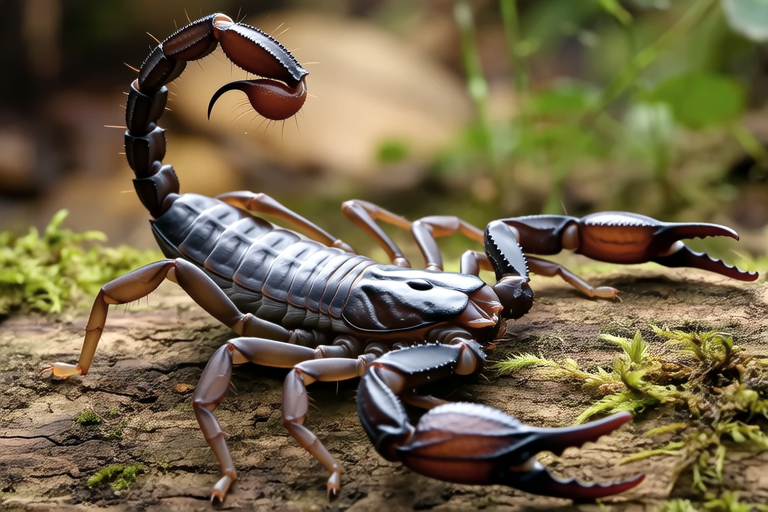
Heterometrus spinifer, commonly known as the spiny forest scorpion, is a medium-sized scorpion species, typically measuring between 6 to 10 centimeters in length. It belongs to the family Scorpionidae and is characterized by its robust body, equipped with a pair of prominent pincers and a segmented tail tipped with a venomous stinger. The scorpion’s exoskeleton is covered in fine hairs, which help it detect vibrations and changes in air currents, crucial for hunting and avoiding predators.
Unlike many other scorpions, H. spinifer has a unique adaptation in its pedipalps, the large pincers near its mouth. These pincers are heavily armed with spines, providing an effective defense mechanism against potential threats. The venom produced by this species is primarily used for subduing prey and is less potent compared to some other scorpion species, posing minimal danger to humans.
Habitat and Distribution
Native to Southeast Asia, H. spinifer can be found in various habitats, including tropical rainforests, bamboo groves, and agricultural areas. These adaptable creatures prefer humid environments with ample cover, such as under logs, rocks, and within tree hollows. They are particularly abundant in regions like Malaysia, Thailand, and Indonesia, where suitable conditions for their survival are prevalent.
The adaptability of H. spinifer
Behavior and Ecology
As nocturnal hunters, Heterometrus spinifer spends most of its day hidden beneath leaf litter or within crevices, emerging at night to search for food. Their diet consists mainly of insects, spiders, and other small arthropods, which they capture using their powerful pincers and inject with venom through their stinger. This feeding behavior plays a significant role in controlling insect populations within their ecosystem, thereby maintaining a balance.
Interestingly, H. spinifer exhibits a unique reproductive strategy. Males engage in elaborate courtship rituals, involving complex movements and displays to attract females. After mating, the female carries her offspring on her back until they undergo their first molt, ensuring their protection during this vulnerable stage of development. This parental care is relatively rare among scorpion species and highlights the complexity of their social behaviors.
Myths and Misconceptions
Despite being a non-aggressive species, Heterometrus spinifer often faces misconceptions due to its intimidating appearance. One common myth is that all scorpions are highly venomous and dangerous to humans. While it’s true that some scorpion species possess potent venom capable of causing severe health issues, H. spinifer falls into a category of relatively harmless scorpions. Its venom is primarily designed for subduing prey rather than defending itself against larger animals, including humans.
Another misconception is that scorpions glow under ultraviolet light due to their venom. In reality, the fluorescence observed in scorpions is caused by a natural pigment in their exoskeletons, unrelated to venom production. This phenomenon serves as a useful tool for researchers and enthusiasts alike when studying these creatures in the wild.
Scientific Insights and Personal Anecdotes
Recent studies have shed light on the genetic diversity of Heterometrus spinifer, revealing distinct populations within different geographic regions. This information is crucial for understanding the evolutionary history of the species and informing conservation strategies. Researchers have employed molecular techniques to analyze DNA samples collected from various locations, uncovering subtle genetic differences that reflect the species’ adaptation to local environmental conditions.
Personal encounters with H. spinifer often leave a lasting impression. One memorable experience involved observing a mother scorpion carrying her young across a forest trail. Witnessing this intimate moment provided a deeper appreciation for the intricate behaviors exhibited by these creatures. Another instance was during a nighttime survey, where the faint glow of multiple scorpions under UV light created an ethereal scene, underscoring the beauty and mystery of these often misunderstood animals.
Conservation Efforts
The conservation status of Heterometrus spinifer remains relatively stable, but concerns about habitat loss and fragmentation pose potential threats to its long-term survival. Deforestation and urbanization continue to encroach upon natural habitats, reducing available space for these scorpions and disrupting their ecological roles. Conservationists advocate for the preservation of intact forests and the establishment of protected areas to safeguard biodiversity.
Efforts to raise awareness about the importance of preserving H. spinifer and other scorpion species are essential. Educational programs aimed at dispelling myths and promoting understanding can foster a greater appreciation for these creatures. Additionally, supporting sustainable land-use practices and encouraging responsible tourism can contribute to the conservation of their habitats.
Conclusion
The world of Heterometrus spinifer offers a glimpse into the diverse and complex lives of scorpions, challenging preconceived notions and inspiring curiosity. By exploring their biology, habitat, behavior, and ecological significance, we gain a deeper understanding of these remarkable creatures. Separating fact from fiction and addressing common myths helps demystify the fears associated with scorpions, fostering respect and admiration for their unique adaptations and contributions to ecosystems.
As we continue to learn more about H. spinifer and other scorpion species, it becomes increasingly evident that their conservation is vital for maintaining healthy ecosystems. Through education, research, and responsible stewardship, we can ensure the continued existence of these fascinating animals for future generations to appreciate and study.
