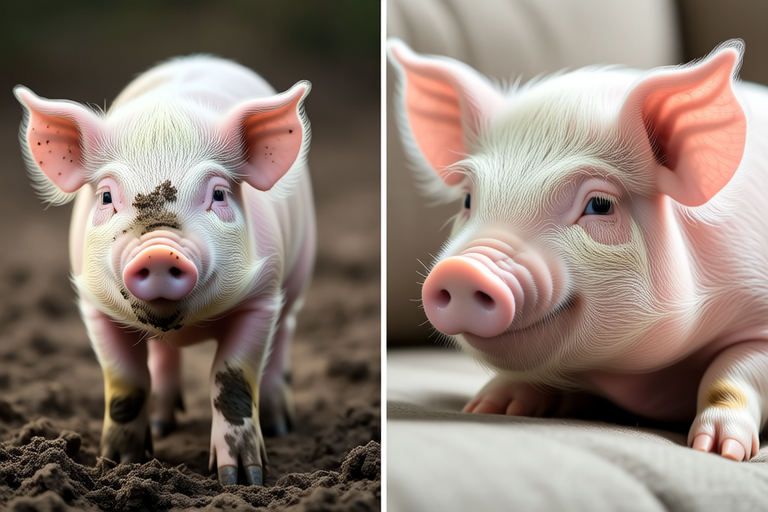
From Wild Boar to Couch Potato: The Journey of Mini Pigs
Introduction
The transformation from the wild boar to the domesticated mini pig is a fascinating journey marked by centuries of selective breeding. This article explores the origins of wild boars, their natural habitats, and behaviors, transitioning into the development of mini pigs as beloved house pets. We will delve into the unique traits that make mini pigs suitable companions, address common misconceptions, and provide insights into successful adoptions. Finally, we’ll offer advice for potential owners, emphasizing the commitment needed for responsible pet ownership.
The Origins and Natural Habitat of Wild Boars
Wild boars (Sus scrofa) are the ancestors of modern domesticated pigs and are found across Europe, Asia, and parts of Africa. They inhabit diverse environments, from dense forests to open grasslands, and are highly adaptable creatures. Known for their robust build, sharp tusks, and keen sense of smell, wild boars are formidable animals. Their social structure is complex, with groups led by dominant sows, and they communicate through a range of vocalizations.
Wild boars are omnivorous, feeding on a variety of plants, roots, insects, and small vertebrates. They are nocturnal, spending much of the day resting in shaded areas or wallowing in mud to cool off and protect themselves from parasites. Despite their reputation as aggressive animals, wild boars are generally wary of humans and prefer to avoid confrontation.
Selective Breeding and Development of Mini Pigs
The journey from wild boar to mini pig began with early farmers who selectively bred smaller, more docile individuals. Over time, this process led to the creation of various breeds, each with distinct physical and behavioral characteristics. Today, there are several recognized breeds of miniature pigs, including the Vietnamese pot-bellied pig, Juliana pig, and Kunekune.
Selective breeding focuses on reducing size while maintaining the intelligence and adaptability of wild boars. Breeders aim for pigs that are gentle, trainable, and well-suited for life as companion animals. The result is a pig that retains the charm and curiosity of its wild ancestors but lacks their wild tendencies.
Differences Between Wild Boars and Mini Pigs
Mini pigs differ significantly from their wild counterparts in several ways. Firstly, their size is drastically reduced; adult mini pigs typically weigh between 50 to 150 pounds, compared to wild boars which can reach up to 600 pounds. Secondly, mini pigs have a more docile temperament, making them ideal as pets. Their intelligence is also notable; mini pigs are quick learners and can be trained to perform tricks, use litter boxes, and respond to commands.
Despite their diminutive size, mini pigs require similar care and attention as larger pigs. They need a balanced diet, regular exercise, and mental stimulation to thrive. Their living environment should include a comfortable sleeping area, access to fresh water, and space for exploration.
Unique Traits of Mini Pigs as House Pets
Mini pigs possess several traits that make them excellent house pets. Their intelligence allows them to form strong bonds with their owners, and they enjoy interacting with humans. They are clean animals, often using a designated area for waste disposal when properly trained. Their adaptability means they can live in various settings, from apartments to rural homes.
One of the most appealing aspects of mini pigs is their ability to learn and respond to training. With patience and consistency, owners can teach their mini pigs basic commands and even more advanced tricks. This interaction fosters a deeper connection between owner and pet, enhancing the overall bond.
Common Misconceptions About Mini Pigs
One common misconception is that all mini pigs remain small throughout their lives. While some breeds, like the Vietnamese pot-bellied pig, tend to stay relatively small, others, such as the KuneKune, can grow larger. Another misconception is that mini pigs are low-maintenance pets. In reality, they require careful attention to their diet, exercise, and social needs.
It’s important to note that mini pigs are not suitable for everyone. They demand a significant time commitment and a willingness to provide proper care. Potential owners should research thoroughly and consider the long-term implications of owning a mini pig before committing.
Successful Mini Pig Adoptions
Many families have successfully adopted mini pigs and integrated them into their households. For example, Sarah and John adopted a Vietnamese pot-bellied pig named Daisy after learning about her at a local animal shelter. Initially, they faced challenges adjusting to her dietary and exercise needs, but with guidance from a veterinarian and pig behaviorist, they were able to create a comfortable home for Daisy.
Another inspiring story comes from the adoption of a KuneKune named Oliver. His previous owners could no longer care for him due to unforeseen circumstances, leaving him in a rescue center. After adopting Oliver, the new family provided him with ample space to roam and explore, enriching his daily routine with puzzles and toys. Oliver quickly became a cherished member of the family, providing endless joy and companionship.
Advice for Potential Owners
Owning a mini pig requires a significant commitment to their well-being. Prospective owners should research thoroughly, understanding the specific needs of the breed they’re considering. Regular veterinary check-ups are crucial, as mini pigs are prone to certain health issues, including obesity and dental problems. Proper nutrition is essential, ensuring a balanced diet rich in vitamins and minerals.
Exercise is vital for mini pigs, helping them maintain a healthy weight and preventing behavioral issues. Providing opportunities for mental stimulation, such as puzzle feeders and interactive toys, is equally important. Socialization is another key factor; mini pigs benefit from interaction with other animals and people, promoting emotional well-being.
Conclusion
The journey from wild boar to mini pig is a testament to the power of selective breeding and the enduring appeal of these intelligent, affectionate animals. By understanding their origins, unique traits, and care requirements, potential owners can make informed decisions and provide their mini pigs with happy, healthy lives. Responsible pet ownership is paramount, ensuring that these once-wild creatures continue to thrive as beloved family members.
