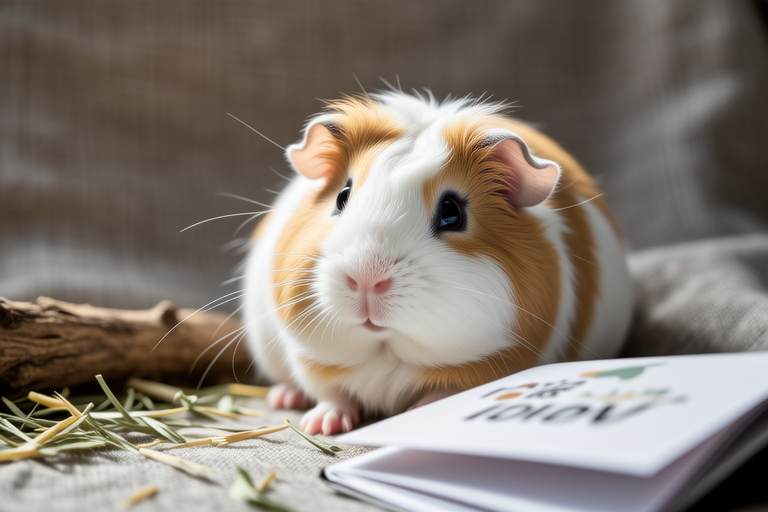
The Ultimate Beginner’s Guide to Choosing the Perfect Guinea Pig
Welcome to the wonderful world of guinea pigs! These charming, social animals can make delightful companions for those willing to take on the responsibility of their care. This guide will walk you through everything you need to know about choosing the perfect guinea pig, from understanding their needs to setting up their living space. Let’s get started!
Understanding Guinea Pig Needs
Before you bring home your new friend, it’s important to understand what guinea pigs require to live happy, healthy lives. First and foremost, guinea pigs are social creatures that thrive on interaction. They enjoy the company of other guinea pigs or humans. Consider how much time you can dedicate to interacting with your guinea pig each day.
Guinea pigs also have specific dietary requirements. Their diet should consist mainly of hay, supplemented with fresh vegetables and a small amount of pellets designed specifically for guinea pigs. Fresh water must always be available, as dehydration can lead to serious health issues. Vitamins C and calcium are particularly important for guinea pigs, so offering a variety of fruits and vegetables rich in these nutrients is crucial.
Exercise is another key aspect of keeping your guinea pig healthy. While they spend most of their time in their enclosure, they need regular opportunities to run around and explore outside of it. A safe, enclosed area where they can play and exercise is ideal.
Selecting the Right Breed
There are several breeds of guinea pigs, each with its own unique characteristics. Here are a few popular breeds:
- Abyssinian: Known for their rosette fur pattern, Abyssinians are active and playful. They come in a wide range of colors and are generally easy to handle.
- Peruvian: With their long, flowing coats, Peruvians are striking to look at. However, their long hair requires more grooming than other breeds.
- Texel: Texels have curly fur and are often described as having a teddy bear-like appearance. They are gentle and good-natured, making them excellent pets for families.
- Rex: Rex guinea pigs have short, plush fur that lies close to their bodies. They are known for being friendly and easygoing.
When selecting a breed, consider factors such as coat type, activity level, and grooming requirements. If you’re a first-time owner, you might want to start with a breed that is easier to care for, like the Rex or Abyssinian.
Tips for Meeting Your New Pet
Meeting your potential new pet is an exciting but important step. Visit reputable breeders or shelters to find your guinea pig. When choosing a guinea pig, look for one that is active, curious, and alert. Avoid those that seem lethargic, have discharge from their eyes or nose, or have any signs of illness.
Once you’ve chosen your guinea pig, it’s important to introduce them to their new home gradually. Place them in a quiet room away from other pets and give them time to adjust. Offer them some of their favorite foods and toys to help them feel at ease. Spend time handling them gently, allowing them to become comfortable with your presence.
Health Considerations
Maintaining your guinea pig’s health is paramount. Regular veterinary check-ups are essential, especially for new guinea pigs. Common health issues include dental problems, respiratory infections, and digestive disorders. Providing a balanced diet, clean living conditions, and plenty of fresh water can go a long way in preventing many of these issues.
Signs of poor health in guinea pigs include loss of appetite, weight loss, lethargy, and changes in behavior. If you notice any of these symptoms, contact your veterinarian immediately. Early detection and treatment of health issues can greatly improve your guinea pig’s chances of recovery.
Setting Up an Appropriate Living Environment
Creating a suitable living environment is crucial for your guinea pig’s well-being. Start by choosing an appropriate cage size. The cage should be large enough for your guinea pig to move around freely and comfortably. A general rule of thumb is that the cage should be at least 7.5 square feet for one guinea pig, with additional space for each additional guinea pig.
The bedding material you choose is also important. Opt for materials that are absorbent, dust-free, and safe for your guinea pig. Avoid cedar and pine shavings, as they can irritate your guinea pig’s respiratory system. Instead, choose paper-based bedding or recycled paper products.
In addition to bedding, your guinea pig’s cage should include areas for sleeping, eating, and playing. Provide tunnels, chew toys, and hiding spots to keep your guinea pig entertained and mentally stimulated. Ensure the cage has adequate ventilation and is placed in a cool, quiet area of your home.
The Importance of Responsibility
Owning a guinea pig is a big responsibility. It’s important to commit to providing your pet with proper care and attention. This includes regular cleaning of their cage, providing a balanced diet, and scheduling routine veterinary visits. Remember, guinea pigs can live for five to seven years, so this commitment is a long-term one.
Be prepared for the unexpected. Emergencies can arise, and it’s important to have a plan in place. Know the location of the nearest emergency animal clinic and have a pet carrier ready in case you need to transport your guinea pig quickly.
Conclusion
Choosing the perfect guinea pig is an exciting process that comes with great responsibility. By understanding your guinea pig’s needs, selecting the right breed, meeting your new pet properly, considering health concerns, and setting up an appropriate living environment, you can provide your guinea pig with a happy, healthy life. Enjoy this rewarding journey as you welcome a new member into your family!
