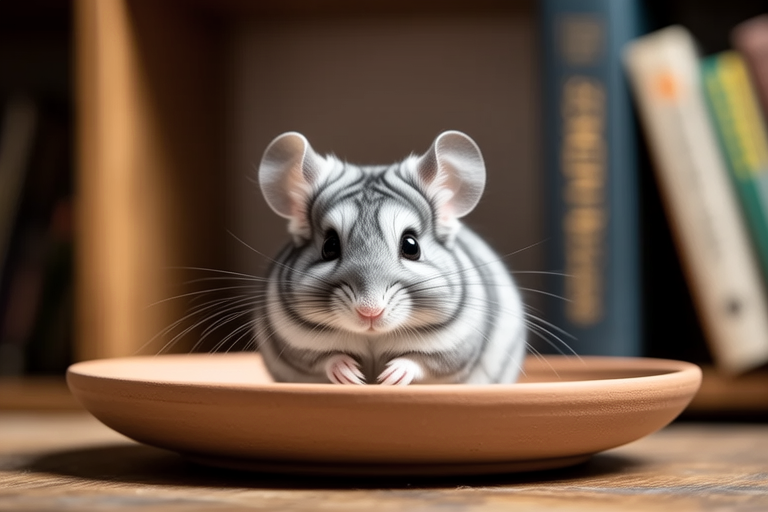
Chinchillas: Unique Characteristics, Behaviors, and Care
Introduction: Chinchillas are fascinating small mammals that have captivated the hearts of many pet owners and animal enthusiasts alike. These adorable creatures possess unique characteristics, behaviors, and a rich history that make them stand out from other pets. In this article, we will explore the distinctive features of chinchillas, debunk common myths surrounding them, and reveal surprising facts about their care, habitat, and history. We’ll also discuss their grooming habits, dietary needs, and social behavior.
Unique Characteristics and Behaviors
Chinchillas are native to the Andes Mountains in South America, where they live at high altitudes. They have adapted to survive in harsh environments, which has resulted in some unique physical and behavioral traits. One of the most notable features of chinchillas is their thick fur, which can be up to 60 times denser than human hair. This dense coat helps them regulate their body temperature and protect themselves from predators.
Another interesting characteristic of chinchillas is their large ears, which serve multiple purposes. The ears help them detect sounds from far away and also assist in thermoregulation by dissipating heat. Chinchillas are nocturnal animals, meaning they are most active during the night. Their large eyes and excellent hearing allow them to navigate their surroundings and avoid predators even in low light conditions.
Chinchillas are highly social animals and thrive in groups. In the wild, they live in colonies that can number in the hundreds. When kept as pets, chinchillas should ideally be housed in pairs or small groups to prevent loneliness and stress. They are intelligent and curious creatures, often engaging in playful activities such as jumping, climbing, and running around.
Grooming Habits
One of the most intriguing aspects of chinchillas is their unique grooming habits. Unlike many other animals, chinchillas do not lick themselves to clean their fur. Instead, they take dust baths to remove dirt, excess oils, and parasites. A dust bath consists of fine volcanic ash or specially formulated chinchilla dust that allows the chinchilla to roll around and clean its fur. It’s important to note that chinchillas should not be given water baths, as their dense fur can retain moisture and lead to skin issues.
Dust bathing is an essential part of a chinchilla’s routine, and it should be provided at least once or twice a week. Owners should ensure that the dust bath container is spacious enough for the chinchilla to move around freely and that the dust is changed regularly to maintain hygiene. Additionally, chinchillas may engage in self-grooming by nibbling on their fur, which helps keep it clean and in good condition.
Dietary Needs
Chinchillas are herbivores and require a diet that is high in fiber and low in sugar. Their digestive systems are designed to process fibrous foods efficiently, and they should be fed a variety of hay, pellets, and fresh vegetables to ensure proper nutrition. Timothy hay is the most commonly recommended type of hay for chinchillas, as it is easily digestible and provides essential nutrients.
Pellets specifically formulated for chinchillas should make up a portion of their diet, as they provide balanced nutrition. It’s important to choose pellets without added sugars or artificial ingredients, as these can cause health problems. Fresh vegetables, such as carrots, bell peppers, and leafy greens, can be offered in moderation to supplement their diet. However, certain fruits and vegetables should be avoided, as they can be harmful to chinchillas due to their high sugar content.
Chinchillas have continuously growing teeth, which means they need to chew on appropriate items to wear them down and prevent overgrowth. Safe chewing options include wooden chews, cardboard toys, and untreated hay. Providing these items not only helps maintain dental health but also keeps chinchillas mentally stimulated and prevents boredom.
Social Behavior
As mentioned earlier, chinchillas are highly social animals that thrive in groups. In the wild, they live in colonies where they form strong bonds with their companions. When kept as pets, chinchillas should be housed in pairs or small groups to mimic their natural social structure. Introducing new chinchillas to each other requires patience and careful planning to ensure a smooth transition and minimize stress.
Chinchillas communicate through various vocalizations, body language, and scent marking. They may chirp, squeak, or whistle to express different emotions, such as excitement, fear, or contentment. Observing their behavior and understanding their communication methods can help owners better care for their pets and address any potential issues early on.
Common Myths Debunked
There are several misconceptions about chinchillas that have been perpetuated by popular culture or misinformation. Let’s examine some of the most common myths and compare them with verified scientific data.
- Myth: Chinchillas are easy to care for. While chinchillas can be rewarding pets, they require specific care and attention to thrive. Their unique grooming habits, dietary needs, and social requirements mean that owners must be prepared to invest time and effort into providing a suitable environment.
- Myth: Chinchillas can live outside. Chinchillas are not suited to outdoor living, as they are sensitive to extreme temperatures. They thrive in controlled environments with consistent temperatures between 64°F and 70°F (18°C and 21°C). Exposing them to extreme heat or cold can lead to health problems and even death.
- Myth: Chinchillas are nocturnal, so they don’t need much attention. Although chinchillas are primarily nocturnal, they still require interaction and mental stimulation. Providing them with toys, tunnels, and opportunities for socialization is crucial for their well-being.
- Myth: Chinchillas don’t need exercise. Chinchillas are active animals that require regular exercise to stay healthy. They enjoy climbing, jumping, and running, and owners should provide them with ample space and enrichment to meet their physical needs.
Surprising Facts About Chinchillas
Now that we’ve explored some common misconceptions, let’s delve into some surprising facts about chinchillas that might pique your interest:
- Chinchillas have a long lifespan: With proper care, chinchillas can live for 10 to 20 years, making them long-term companions for pet owners.
- Chinchillas are fast runners: These small mammals can reach speeds of up to 30 miles per hour (48 kilometers per hour), allowing them to escape from predators in the wild.
- Chinchillas have a unique defense mechanism: In addition to their speed, chinchillas can release their fur when grabbed by a predator, which helps them escape. This process, known as “fur slip,” can leave the predator holding a clump of fur while the chinchilla runs away.
- Chinchillas have a complex digestive system: Chinchillas have a multi-chambered stomach similar to that of rabbits, which allows them to digest tough plant material efficiently. This specialized digestive system contributes to their ability to thrive on a high-fiber diet.
Care and Habitat
Proper care and habitat setup are crucial for the health and happiness of chinchillas. A well-designed enclosure should provide ample space for movement, climbing, and exploration. The cage should be made of metal wire or plastic to prevent damage to the chinchilla’s teeth and claws. Flooring should be solid to prevent injuries from falling through gaps.
In addition to a spacious enclosure, chinchillas need access to toys, tunnels, and other enrichment items to stimulate their minds and bodies. Owners should also provide hiding spots and elevated platforms to mimic the natural environment of chinchillas and encourage climbing and jumping.
Maintaining a clean and hygienic environment is essential for preventing health issues. Regular cleaning of the enclosure, changing the bedding, and providing fresh food and water are necessary steps in ensuring the well-being of chinchillas. Additionally, owners should monitor their pets for signs of illness, such as lethargy, loss of appetite, or abnormal behavior, and seek veterinary care if needed.
History and Conservation
Chinchillas were first domesticated in the 1920s, and since then, they have become popular pets worldwide. However, wild chinchillas face significant threats due to habitat destruction, hunting for their valuable fur, and climate change. Conservation efforts are underway to protect wild populations and preserve their habitats. Responsible breeding practices and ethical pet ownership can contribute to the conservation of chinchillas and their wild counterparts.
Owners who wish to learn more about the history and conservation of chinchillas can visit local wildlife centers, join online communities, or participate in educational programs. By raising awareness and supporting conservation initiatives, pet owners can play a role in ensuring the survival of these fascinating creatures for future generations.
Conclusion: Chinchillas are captivating small mammals with unique characteristics, behaviors, and a rich history. By understanding their grooming habits, dietary needs, and social behavior, owners can provide the best possible care for their pets. Debunking common myths and exploring surprising facts about chinchillas can deepen our appreciation for these remarkable animals and inspire responsible pet ownership. Whether you’re a seasoned chinchilla owner or a curious enthusiast, there’s always something new to discover about these delightful creatures.
