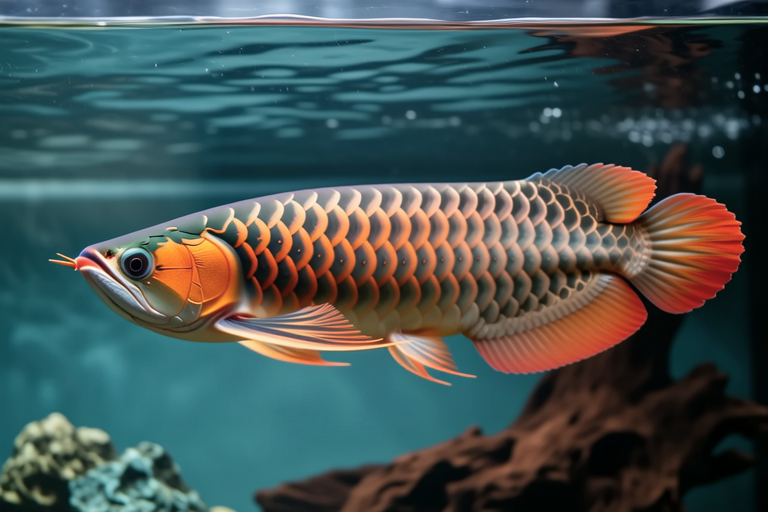
The Ultimate Arowana Owner’s Checklist: Everything You Need to Know
Introduction
Arowanas are among the most fascinating and sought-after freshwater fish in the aquarium hobby. Known for their striking appearance and unique behaviors, these ancient creatures possess several distinct characteristics that make them stand out. Arowanas are carnivorous and require specific care to thrive. Their large size, which can reach up to three feet, demands spacious living conditions. They are also known for their ability to leap out of the water to catch prey, making safety precautions crucial. Understanding these unique traits and the necessary care requirements is essential for any prospective owner.
Setting Up the Perfect Tank Environment
Creating the right habitat for your Arowana is paramount. Arowanas need a large tank, typically at least 300 gallons for one adult, but ideally more. The tank should be long rather than tall to provide ample swimming space. Water quality is critical; maintain a temperature between 78°F and 84°F and a pH level around 6.5 to 7.5. Use a powerful filtration system capable of handling the waste produced by these large fish. Regular water changes—about 20% weekly—are necessary to keep the environment clean and healthy. Decorate the tank with plenty of hiding spots and floating plants to mimic their natural environment, but avoid sharp or rough decorations that could injure the fish.
Essential Equipment for Arowana Care
To ensure optimal care, invest in high-quality equipment. A robust filter is non-negotiable, as it helps manage ammonia and nitrite levels. An efficient heater is necessary to maintain the appropriate water temperature. Additionally, consider installing a protein skimmer to further enhance water quality. A good lighting system is important, not just for visibility but also to encourage natural behaviors like basking. A reliable thermometer and pH meter are essential for monitoring water parameters. Lastly, a strong lid or cover is vital to prevent your Arowana from jumping out of the tank.
Dietary Needs and Feeding Tips
Arowanas are carnivores and require a diet rich in proteins. Their diet should include live or frozen foods such as feeder fish, shrimp, and insects. Commercial pellets designed for large carnivorous fish can also be part of their diet. Feed them twice daily, offering as much food as they can consume in five minutes. It’s important to vary their diet to ensure they receive all necessary nutrients. Overfeeding can lead to health issues, so monitor their eating habits closely.
Health Maintenance and Common Diseases
Regular health checks are vital. Observe your Arowana’s behavior and physical condition daily. Early signs of illness may include lethargy, loss of appetite, or unusual spots or lesions. Common diseases affecting Arowanas include ich, fin rot, and bacterial infections. Preventive measures include maintaining excellent water quality and quarantine new additions to the tank. If you suspect your Arowana is sick, consult a veterinarian specializing in exotic pets for diagnosis and treatment options. Quarantine sick fish immediately to prevent the spread of disease.
Breeding Considerations
Breeding Arowanas is challenging and usually not recommended for beginners due to the complexity involved. Arowanas are mouthbrooders, meaning the male carries eggs and fry in his mouth for protection. Breeding requires specific environmental conditions, including a separate breeding tank and precise water parameters. Males can become aggressive during breeding, so it’s best to have a separate tank setup to minimize stress on other fish. Consult experienced breeders or aquarists for detailed guidance before attempting to breed Arowanas.
Legal Aspects of Owning an Arowana
Owning an Arowana comes with legal responsibilities. In many countries, Arowanas are protected under wildlife laws due to their endangered status. Some regions require permits for possession and transportation. Research local regulations thoroughly before acquiring an Arowana. Import restrictions and international trade laws must also be considered. Compliance with these laws ensures the ethical ownership of this magnificent species.
Advice on Long-Term Care and Enriching the Life of Your Arowana
Long-term care involves ongoing commitment to their well-being. Continue to provide a stimulating environment with regular changes in decor and the introduction of new toys or structures. Encourage natural behaviors through proper feeding techniques and tank design. Engage with your Arowana regularly, as they can recognize their caretakers and respond positively to interaction. This relationship fosters a deeper bond and contributes to their overall happiness. Remember, patience and consistency are key in ensuring your Arowana lives a long and fulfilling life.
