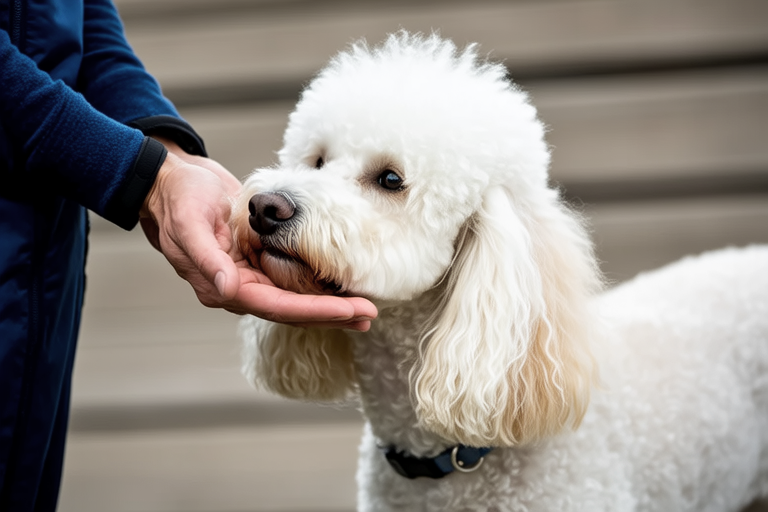
How to Train Your Poodle: Tips from Expert Dog Trainers
Welcome to this comprehensive guide on training your poodle! Whether you’re a first-time poodle owner or a seasoned handler, this article will provide you with valuable insights and practical tips from professional dog trainers. We’ll cover essential training techniques, common challenges, and expert advice tailored specifically for poodle owners.
Basic Obedience Training
Teaching your poodle basic obedience commands is the foundation of a well-trained dog. Commands like ‘sit,’ ‘stay,’ ‘come,’ and ‘leave it’ are crucial for everyday life and ensure your poodle’s safety. Positive reinforcement, which involves rewarding good behavior, is highly effective for poodles. Here’s how it works:
- Sit: Hold a treat close to your poodle’s nose, allowing them to smell it but not eat it. Slowly move the treat above their head, prompting them to sit. As soon as they sit, say ‘Sit!’ and give them the treat along with praise.
- Stay: Start by asking your poodle to ‘sit.’ Take a step back while holding your hand out flat, palm facing forward, as if signaling ‘stop.’ Say ‘Stay!’ If they stay put, return and reward them with a treat and praise. Gradually increase the distance and time before returning.
- Come: Use a happy, excited voice when calling your poodle. Reward them immediately upon arrival. It’s important to make coming to you fun and rewarding, so they always want to come when called.
- Leave it: Place a treat in your closed hand and show it to your poodle. If they try to get it, close your fist tighter. When they stop trying and look away, say ‘Leave it!’ and give them a different treat from your other hand. Practice this until they understand that ‘Leave it’ means not to touch something.
Professional trainer Sarah Johnson shares a real-life example: “I had a client whose poodle would jump up on guests. By consistently rewarding the poodle for sitting instead, we successfully taught the poodle to greet people politely.”
Housebreaking Your Poodle
Accidents inside the home can be frustrating, but with patience and consistency, you can effectively housebreak your poodle. Establishing a routine is key. Take your poodle outside first thing in the morning, after meals, and before bedtime. Choose a specific spot outside and always take them there. Praise them when they go to the bathroom in the right place. Crate training can also help prevent accidents inside the house by giving your poodle a safe space where they won’t soil.
Expert trainer Mike Thompson advises, “Be patient and consistent. Accidents happen, but they shouldn’t be punished. Instead, clean up the mess thoroughly and continue with your training routine.”
Socialization
Socializing your poodle is vital for their emotional and behavioral development. Expose your poodle to various environments, people, and other animals during their critical socialization period, typically between 3 to 14 weeks old. Continue socialization throughout their life to maintain confidence and adaptability.
Professional trainer Emily Davis recommends, “Take your poodle to dog parks, pet stores, and even just for walks around the neighborhood. Introduce them to new experiences gradually and ensure each encounter is positive. This helps prevent fear-based aggression and ensures your poodle is comfortable in different settings.”
Dealing with Separation Anxiety
Separation anxiety is common among poodles and can lead to destructive behaviors like chewing furniture or barking excessively. To address this issue, start by gradually increasing the amount of time you leave your poodle alone. Provide them with toys and puzzles to keep them occupied and reduce boredom. Crate training can also be beneficial, as it provides a secure space for your poodle when you’re away.
Professional trainer Laura Brown explains, “One of my clients had a poodle who would chew everything when left alone. By leaving a favorite toy and crate training, we helped the poodle feel more secure and reduced the destructive behavior.”
Grooming Tips Related to Training
Poodles require regular grooming to maintain their coat and prevent matting. Grooming sessions can also serve as training opportunities. Teach your poodle to enjoy grooming by starting with short, positive sessions. Offer treats and praise during the process. Gradually increase the duration and complexity of the grooming sessions. This approach not only keeps your poodle looking great but also strengthens your bond.
Professional groomer Jessica Lee advises, “Begin grooming your poodle at a young age. Make sure each session is enjoyable and filled with positive reinforcement. This way, your poodle will look forward to grooming appointments and cooperate better.”
Interactive Games to Stimulate Intelligence
Poodles are intelligent dogs that thrive on mental stimulation. Engaging them in interactive games can help prevent boredom and destructive behaviors. Puzzle toys, fetch, and hide-and-seek are excellent options. Hide-and-seek, for instance, involves hiding treats or toys around the house and encouraging your poodle to find them. This game not only stimulates their mind but also reinforces basic commands like ‘find it’ or ‘seek.’
Professional trainer John Carter suggests, “Puzzle toys challenge your poodle’s problem-solving skills. They can be particularly useful for poodles that tend to be overactive. These toys provide a constructive outlet for their energy and keep them mentally engaged.”
Conclusion
Training your poodle requires dedication, patience, and a positive approach. By following these tips and utilizing the expertise of professional trainers, you can raise a well-behaved, happy, and healthy poodle. Remember, every poodle is unique, so tailor your training methods to suit their individual needs and personalities. With consistent effort and love, your poodle will become a loyal and obedient companion.
