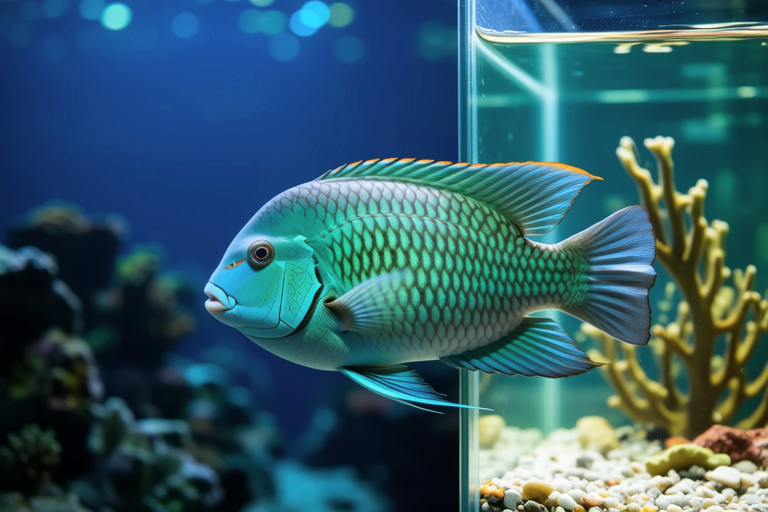
Parrot Fish: Natural Habitat, Behavior, and Aquarium Care
The vibrant and colorful parrot fish is a fascinating species that plays an important role in ocean ecosystems. Found in tropical and subtropical waters across the globe, these fish are known for their unique behaviors, striking appearance, and significant ecological functions. This article delves into the natural habitat and behavior of parrot fish, their adaptations for survival in the depths, and the challenges and considerations involved in transitioning them from their natural ocean environments to aquarium settings. Additionally, it explores the benefits and drawbacks of keeping parrot fish in aquariums, their care requirements, impact on marine biodiversity, and the educational value they provide. Finally, it addresses sustainable practices in the aquarium trade to ensure the well-being of parrot fish.
Natural Habitat and Behavior
Parrot fish inhabit coral reefs, seagrass beds, and rocky areas in tropical and subtropical waters worldwide. They are diurnal creatures, meaning they are most active during the day, and they play a crucial role in maintaining the health of coral reefs. Parrot fish feed primarily on algae, which they scrape off rocks and coral using their beak-like mouths. Their feeding habits help control algal growth, promoting the growth of corals and other reef organisms. This grazing activity also contributes to the recycling of nutrients within the reef ecosystem.
Parrot fish exhibit a wide range of colors and patterns, with some species changing color as they mature or depending on their social status within the group. They are often found in schools, especially when young, but become more solitary as they grow older. Some species also display complex mating rituals, with males defending territories and attracting females through elaborate displays.
Adaptations for Survival in the Depths
To survive in the depths of the ocean, parrot fish have developed several remarkable adaptations. One of the most notable is their specialized teeth, which form a beak-like structure capable of scraping algae from hard surfaces. This adaptation allows them to efficiently remove algae from rocks, coral, and other substrates, ensuring a steady food supply. Additionally, their thick skin and scales provide protection against predators and the abrasive nature of their feeding habits.
Parrot fish also possess a unique ability to produce a sleeping bag-like mucous cocoon from their mucus glands. This cocoon helps mask their scent, protecting them from nocturnal predators. Furthermore, their bright colors serve as a form of camouflage, blending in with the vibrant hues of the coral reef during the day.
Challenges and Considerations in Transitioning to Aquarium Settings
Transitioning parrot fish from their natural ocean environments to aquarium settings presents numerous challenges. The first challenge is acclimating the fish to the new environment, as sudden changes in temperature, pH levels, and water chemistry can cause stress and illness. Proper acclimation requires gradually adjusting the parameters of the tank water to match those of the ocean water where the fish were collected.
Another challenge is providing an appropriate diet. In the wild, parrot fish graze on a variety of algae and sometimes small invertebrates. In captivity, it is essential to offer a balanced diet that mimics their natural food sources. This may include algae wafers, fresh vegetables, and high-quality flake or pellet foods. Regular feeding and monitoring of the fish’s weight and overall health are necessary to ensure proper nutrition.
Additionally, maintaining water quality is crucial for the well-being of parrot fish in aquariums. Ammonia, nitrite, and nitrate levels must be kept within safe limits to prevent toxic conditions. Regular water changes, efficient filtration systems, and proper biological filtration are essential components of a healthy aquarium environment.
Benefits and Drawbacks of Keeping Parrot Fish in Aquariums
Keeping parrot fish in aquariums offers several benefits. Firstly, they are visually stunning and can add a splash of color and vibrancy to any home or public aquarium. Their unique behaviors, such as their grazing habits and occasional changes in color, can captivate viewers and provide educational opportunities about marine life.
However, there are also drawbacks to consider. One major concern is the potential impact on marine biodiversity if parrot fish are overfished for the aquarium trade. Overfishing can lead to population declines and disrupt the delicate balance of coral reef ecosystems. It is crucial to ensure that parrot fish are sustainably sourced and that their removal from the wild does not harm local populations.
Care Requirements and Educational Value
Parrot fish require specific care requirements to thrive in aquariums. They need large tanks with ample swimming space, as they are active swimmers. A minimum tank size of 125 gallons is recommended for most species, but larger tanks are preferable for groups or multiple individuals. Additionally, providing hiding spots and caves within the tank can help reduce stress and promote natural behaviors.
Parrot fish also benefit from regular water testing and maintenance. Testing for ammonia, nitrite, nitrate, pH, and salinity ensures that the water quality remains optimal for their health. Regular water changes and proper filtration systems are essential to maintain clean and stable water conditions.
In terms of educational value, parrot fish in controlled environments can teach visitors about the importance of coral reef conservation and the intricate relationships between different marine organisms. Public aquariums can use parrot fish as ambassadors for marine biodiversity, raising awareness about the threats facing coral reefs and encouraging responsible stewardship of our oceans.
Sustainable Practices in the Aquarium Trade
To ensure the well-being of parrot fish in both their natural habitats and in captivity, it is crucial to adopt sustainable practices in the aquarium trade. One key practice is supporting certified aquaculture programs that breed parrot fish in captivity, reducing the reliance on wild-caught specimens. These programs often adhere to strict guidelines regarding breeding techniques, water quality, and animal welfare.
Another important practice is promoting responsible sourcing and ethical collection methods. Collectors should avoid targeting juvenile or breeding populations and should use non-destructive fishing gear that minimizes damage to the reef. Additionally, supporting local communities and economies through fair trade practices can help create incentives for sustainable management of marine resources.
Lastly, educating consumers about the importance of choosing sustainably sourced parrot fish is vital. By informing aquarium enthusiasts about the environmental impacts of their choices, we can encourage more responsible purchasing decisions and foster a culture of sustainability in the aquarium industry.
Conclusion
Parrot fish are fascinating and integral members of ocean ecosystems, playing a crucial role in maintaining the health of coral reefs. While they make beautiful additions to aquariums, their transition from the wild to captivity requires careful consideration and proper care. By adopting sustainable practices in the aquarium trade and promoting responsible stewardship of our oceans, we can ensure the well-being of parrot fish in both their natural habitats and in captivity. Through education and awareness, we can work towards preserving these magnificent creatures for future generations.
