From Pet Owner to Tarantula Keeper: My Unexpected Journey
Welcome to my story of transitioning from a typical pet owner to a proud tarantula keeper. Initially, the idea of keeping a tarantula as a pet seemed far-fetched and even a bit frightening. However, after delving into the world of these fascinating creatures, I discovered a rewarding and enriching experience. This article aims to guide you through the journey, sharing insights into their unique care requirements, dispelling common misconceptions, and offering personal anecdotes about the challenges and joys of tarantula ownership.
The Initial Hesitation
When I first considered adopting a tarantula, my mind was filled with images of terrifying spiders from horror movies. The thought of having a tarantula in my home seemed like an impractical and potentially dangerous idea. Yet, curiosity got the better of me, and I decided to explore the possibility further. As I began researching, I realized that tarantulas were far from the aggressive, venomous creatures I had imagined. In fact, they were docile, gentle, and surprisingly low-maintenance pets.
The Research Process
Before making any decisions, it was crucial to understand the unique care requirements of tarantulas. Unlike many other pets, tarantulas have specific environmental needs that must be met to ensure their health and happiness. They require a warm, humid environment, typically between 75 to 85 degrees Fahrenheit, and a humidity level of around 60 to 80 percent. Additionally, tarantulas are solitary animals, so they need their own space without the company of other pets.
One of the most common misconceptions about tarantulas is that they are aggressive and dangerous. While some species can deliver a painful bite, their venom is generally no more potent than a bee sting. Another misconception is that tarantulas require extensive daily care, but in reality, they are relatively independent and only need feeding every few days. With proper research, I learned that tarantulas could be a great addition to my family.
Personal Anecdotes
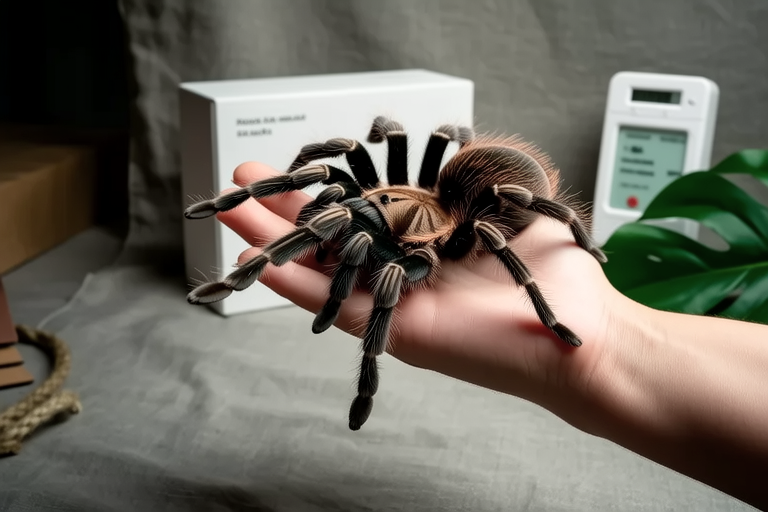
My journey as a tarantula keeper began with a visit to a local reptile expo, where I encountered my first tarantula, a beautiful Chilean rose tarantula named Rosie. Her calm demeanor and striking appearance instantly won me over. After purchasing Rosie, I spent hours setting up her enclosure, ensuring it was the perfect habitat for her. It was a rewarding experience to see her settle into her new home.
One of the biggest challenges I faced was overcoming my initial fear of handling Rosie. I started by simply observing her from a distance, gradually moving closer until I felt comfortable enough to gently touch her. Handling tarantulas requires patience and respect for their boundaries. Over time, I developed a deeper understanding of her behaviors and preferences, which strengthened our bond.
Tarantula Behavior and Habitat Setup
Tarantulas exhibit a wide range of behaviors that make them fascinating to observe. They are primarily nocturnal, meaning they are most active during the night. During the day, they often remain hidden in their burrows or webbed retreats. Observing Rosie’s behavior taught me about her daily routine and helped me anticipate her needs.
Setting up the ideal habitat for a tarantula involves creating a secure, well-ventilated enclosure with appropriate substrate, such as coconut fiber or bark chips. Providing hiding spots, such as cork bark or silk plants, is essential for their comfort. Temperature and humidity levels must be closely monitored to prevent stress or illness. A shallow water dish should also be provided to maintain hydration.
Feeding Habits
Feeding tarantulas is a straightforward process. They primarily eat insects, such as crickets, mealworms, and dubia roaches. The frequency of feeding depends on the tarantula’s age and size, with younger tarantulas requiring more frequent feedings. Before feeding, it’s important to gut-load the insects, ensuring they are nutritious and healthy for your tarantula. Feeding is best done in the evening, aligning with their nocturnal nature.
One of the joys of owning a tarantula is watching them hunt and consume their prey. Their methodical approach to catching and devouring food is both captivating and awe-inspiring. However, it’s important to handle feeding with care, as overfeeding can lead to obesity and health issues.
The Emotional Bond
Over time, I developed a profound emotional connection with Rosie. What initially seemed like a simple pet became a cherished companion. The bond we formed was built on mutual respect and understanding. I learned to read her subtle cues, and she responded to my presence with trust and affection. This emotional bond has deepened my appreciation for tarantulas and their unique qualities.
Reflections and Advice
My experience with tarantulas has significantly changed my perception of exotic pets. I now understand that with proper care and respect, exotic pets can be just as rewarding as traditional pets. They offer a unique opportunity to learn about different species and their behaviors, fostering a deeper connection with the natural world.
For anyone considering a tarantula as a pet, I recommend thorough research and preparation. Understand the specific needs of the species you’re interested in and prepare accordingly. Take the time to acclimate your tarantula to its new environment and be patient as you build trust. Remember that tarantulas are sensitive creatures, and their well-being should always be a priority.
In conclusion, my journey from pet owner to tarantula keeper has been an enlightening and enriching experience. It has taught me valuable lessons about responsibility, patience, and the importance of understanding the needs of our animal companions. Whether you’re an arachnophile or an arachnophobe, I hope this article has inspired you to consider the unique world of tarantula ownership.
