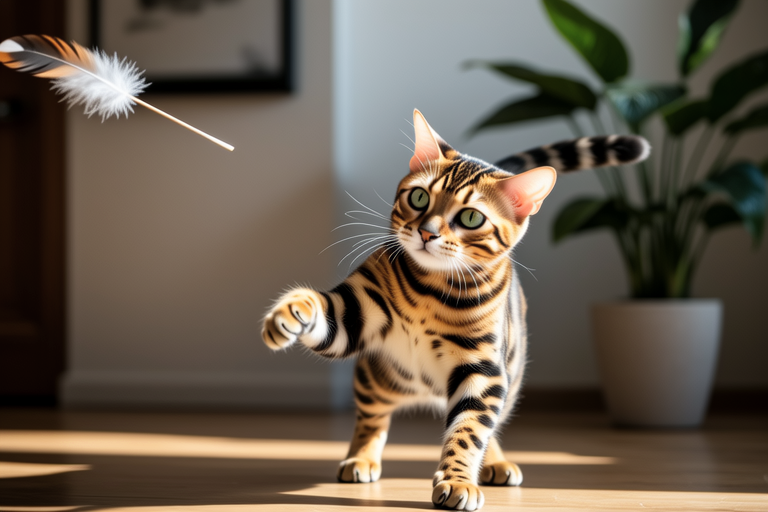
The Ultimate Guide to Living with a Bengal Cat: Glamour, Energy & Love
Imagine a cat that looks like a miniature leopard—sleek, powerful, and radiating wild elegance—yet greets you at the door with a gentle purr and an insatiable desire for cuddles. This is the Bengal cat: a breathtaking fusion of untamed beauty and devoted companionship. If you’re considering welcoming one into your home, prepare for a journey filled with high energy, endless curiosity, and deep affection.
This comprehensive guide will walk you through everything you need to know about Bengals—from their fascinating origins and striking appearance to their vibrant personalities, care needs, health considerations, training techniques, and real-life experiences from owners who’ve lived this extraordinary life. Whether you’re a seasoned cat lover or a first-time adopter, this guide will equip you with practical insights to build a joyful, balanced relationship with your Bengal.
The Wild Roots: Origin and History of the Bengal Breed
The Bengal cat was born not in the wild, but in the laboratory of dedicated breeders. In the 1960s, American breeder Jean Mill sought to recreate the look of a wild leopard cat while preserving the gentle temperament of domestic felines. Her vision led her to cross an American Shorthair with a domesticated Asian Leopard Cat—a bold move that would eventually give rise to one of the most iconic cat breeds.
Through careful breeding over generations, the wild genetics were gradually diluted, resulting in cats that retained the stunning coat patterns and muscular build of their ancestors but with a fully domestic temperament. By the 1980s, the Bengal was officially recognized by major cat associations such as The International Cat Association (TICA) and the Cat Fanciers’ Association (CFA).
Today’s Bengals are typically bred from generations of domesticated stock, meaning they’re safe, loving, and highly social—far removed from their wild roots. Yet, their heritage lives on in their athleticism, intelligence, and love of exploration. Understanding this history helps explain why Bengals aren’t just pets—they’re dynamic, spirited companions with a touch of the wild in their soul.
Striking Looks: Physical Traits and Coat Patterns
Bengals are instantly recognizable. Their most defining feature is their luxurious, short coat—dense, soft, and often described as feeling like a velvety plush or even a raccoon’s fur. But it’s the pattern that truly sets them apart.
Each Bengal’s coat displays one of four primary patterns:
- Spotted: Small, evenly distributed spots across the body—most common and classic.
- Mascot: Larger, irregular spots resembling a leopard’s markings.
- Marbled: Swirls and waves of dark pigment flowing through the coat like a river of ink.
- Shaded: A gradient effect where darker tones fade toward the lighter base, creating depth.
Bengals also boast a distinctive “glitter” effect—a shimmering, metallic sheen caused by unique undercoat structure. This gives them a luminous quality, especially in sunlight, making them appear almost otherworldly.
Physically, Bengals are medium-to-large cats with a muscular, athletic frame. They have broad shoulders, strong hind legs, and a tail that’s long and tapering. Their eyes are large, expressive, and typically gold, green, or hazel—often enhanced by the glitter in their coat. Their ears are set wide apart, adding to their alert, intelligent expression.
It’s important to note: While their appearance may suggest a wild animal, Bengals are entirely domestic. Their striking looks are a testament to selective breeding, not a sign of aggression or unpredictability.
Personality Unveiled: Intelligence, Playfulness, and Affection
Bengals are not just beautiful—they’re brilliant. Considered one of the most intelligent cat breeds, Bengals thrive on mental stimulation. They learn tricks quickly, can be taught to walk on a leash, and some even enjoy playing fetch or solving puzzle toys.
Playfulness is a hallmark of the breed. Bengals don’t just “play”—they engage in elaborate games that mimic hunting behaviors. You’ll often see them pouncing on toys, chasing laser dots with intense focus, or batting at crinkly bags with abandon. Their energy levels are high, especially during dawn and dusk—the natural crepuscular hours when wild cats hunt.
Despite their intensity, Bengals form deep emotional bonds with their humans. They crave interaction and often follow their favorite people from room to room, seeking attention and participation. Many owners describe their Bengals as “dog-like” in loyalty—sticking close, greeting at the door, and even responding to their names.
They are affectionate but not passive. Expect to be greeted with enthusiastic head bumps, leg rubs, and sometimes playful nips—though these are rarely aggressive. Their love is expressed through action: climbing onto laps, sitting on keyboards during work, or simply lying beside you with a contented purr.
One unique trait? Bengals often enjoy water. Some will splash in sinks, play with dripping faucets, or even join you in the shower—showing a curious fascination with moving liquids that few other cats share.
Care Requirements: Grooming, Diet, Exercise, and Environmental Enrichment
While Bengals require more than average care due to their energy and intellect, their needs are manageable with a little planning and commitment.
Grooming: Low Maintenance, High Reward
Bengals have short, dense coats that shed minimally. Weekly brushing with a soft brush or grooming glove helps remove loose hair, distribute natural oils, and strengthen the bond between you and your cat. During seasonal shedding (typically spring and fall), increasing brushing to twice a week can prevent mats and reduce hairballs.
Occasional bathing is acceptable—especially if your Bengal has gotten into something messy—but avoid over-bathing, which can strip natural oils. Use a cat-safe shampoo and dry thoroughly to prevent chills.
Diet: Fueling a High-Energy Companion
Bengals burn calories rapidly, so a high-quality, protein-rich diet is essential. Look for foods with real meat as the primary ingredient—chicken, turkey, or fish—and avoid fillers like corn or soy. Wet food is ideal for hydration, but many Bengals do well on a mix of wet and dry food.
Feed measured portions based on activity level and weight. Overfeeding can lead to obesity, which diminishes their agility and increases health risks. Always provide fresh water—Bengals often prefer running water, so consider a pet fountain.
Exercise: Satisfying the Need to Move and Explore
Without adequate outlets, Bengals can become bored, leading to destructive behavior like scratching furniture or knocking things off shelves. Daily interactive play sessions—15–20 minutes—are crucial. Use wand toys, feather teasers, or treat-dispensing puzzles to keep them engaged.
Encourage climbing and vertical space. Invest in tall cat trees, wall-mounted shelves, or window perches. Bengals love being up high—they can survey their domain like tiny kings and queens.
Environmental Enrichment: Creating a Stimulating Home
To thrive, Bengals need a home that stimulates both mind and body. Here’s how to create one:
- Interactive Toys: Rotate toys weekly to maintain interest. Try motorized mice, treat puzzles, or cat-safe video games.
- Window Access: Large windows with bird feeders outside offer endless entertainment. Add a cat-safe perch nearby.
- Safe Outdoor Enclosures: If possible, install a catio—a secure outdoor enclosure—for supervised exploration.
- Scratching Posts: Provide multiple options (vertical, horizontal, different textures) to protect your furniture.
- Hidden Spaces: Cardboard boxes, tunnels, or cat caves give them places to retreat and observe.
Pro Tip: Bengals thrive on routine. Establish consistent feeding times, play schedules, and bedtime rituals to help them feel secure and mentally stimulated.
Health Concerns and Preventative Care
Bengals are generally healthy cats, but they can inherit certain conditions due to their genetic lineage. Responsible breeders screen for these issues, but owners should remain vigilant.
Common Health Issues:
- Hypertrophic Cardiomyopathy (HCM): A thickening of the heart muscle. Regular veterinary check-ups and echocardiograms (especially after age 3) are recommended.
- Polyneuropathy (PRA): A rare neurological disorder affecting coordination. Breeding programs now test for this gene.
- Feline Leukemia Virus (FeLV) and FIV: Though not breed-specific, regular vaccinations and testing are essential, especially if your Bengal goes outdoors or interacts with other cats.
- Obesity: Due to their active nature, Bengals are prone to weight gain if fed excessively or under-exercised.
Preventative care includes:
- Annual vet visits for wellness checks
- Up-to-date vaccinations and flea/tick prevention
- Regular dental care (brushing or dental treats)
- Spaying/neutering to prevent unwanted litters and reduce behavioral issues
Keep an eye out for signs of illness: lethargy, loss of appetite, vomiting, excessive grooming, or changes in litter box habits. Early intervention is key.
Training Tips for the Highly Intelligent Bengal
Training a Bengal isn’t about obedience—it’s about channeling their natural instincts into positive behaviors. Use positive reinforcement: treats, praise, and playtime work wonders.
Basic Commands:
- “Come”: Call their name with enthusiasm and reward when they approach.
- “Sit” or “Stay”: Use a treat lure and clicker training for precision.
- “Leave It”: Teach this early to prevent them from grabbing forbidden items.
Leash Training:
Many Bengals enjoy walks! Start with a harness (never a collar) and use a lightweight leash. Begin indoors, then progress to quiet outdoor areas. Reward calm behavior and never force them.
Managing Curiosity and Mischievousness:
Bengals explore everything. Secure cabinets, cover electrical cords, and use baby gates to block off unsafe areas. Provide plenty of alternatives—like cardboard boxes or puzzle feeders—to satisfy their urge to investigate.
When they misbehave (e.g., knocking over vases), redirect—not punish. Say “no” firmly, then offer a toy or alternative activity. Punishment can damage trust and increase anxiety.
Real-Life Insights from Experienced Bengal Owners
“My Bengal, Luna, climbs our bookshelves like she’s scaling Everest. But when I sit down to read, she jumps right onto my lap and curls up—she’s fierce, yet deeply tender. It’s like having a lion with a heart of gold.” — Sarah, Portland, OR
“I thought I’d be overwhelmed by the energy, but once I gave her enough playtime and mental challenges, she became incredibly calm. She’s now my shadow, my confidante, and my partner in chaos. Just don’t expect her to nap quietly!” — David, Austin, TX
Owners consistently report that Bengals enrich their lives in unexpected ways. They bring laughter, excitement, and a sense of adventure. But they also demand time, patience, and creativity.
One recurring theme among experienced owners: “Bengals aren’t pets—they’re family members with big personalities.” They thrive in homes where they’re included in daily routines, given mental challenges, and treated as individuals with preferences and quirks.
Building a Strong Bond: Love, Attention, and Understanding
The key to a happy Bengal lies in mutual respect and connection. These cats don’t want to be ignored—they want to be involved. Sit with them during meal prep, let them watch you work, or invite them to participate in quiet moments.
Consistency builds trust. Respond to their calls, honor their play schedule, and respect their need for space when they retreat. Offer comfort when stressed—some Bengals become anxious in new environments or around strangers.
And yes, there will be challenges. A Bengal might knock over a vase, dig through your mail, or try to open the fridge. But with understanding and redirection, these behaviors can be managed without resentment.
Remember: Your Bengal isn’t trying to annoy you. They’re expressing curiosity, energy, and a desire to connect. When you meet their needs with empathy and creativity, the rewards are immeasurable.
Final Thoughts: Is a Bengal Right for You?
If you’re looking for a low-maintenance, laid-back companion, a Bengal might not be the best fit. But if you seek a dynamic, intelligent, affectionate cat who brings glamour, joy, and endless surprises into your life—then the Bengal could be your perfect match.
Living with a Bengal is not just about caring for a pet—it’s about cohabiting with a spirited soul. It requires time, attention, and a willingness to adapt. But in return, you gain a loyal friend, a playful partner, and a living reminder of nature’s beauty—captured in a sleek, loving, four-legged package.
So, are you ready to embrace the wild elegance and boundless love of a Bengal cat? If yes, prepare your home, gather your toys, and open your heart. The journey promises to be unforgettable.
