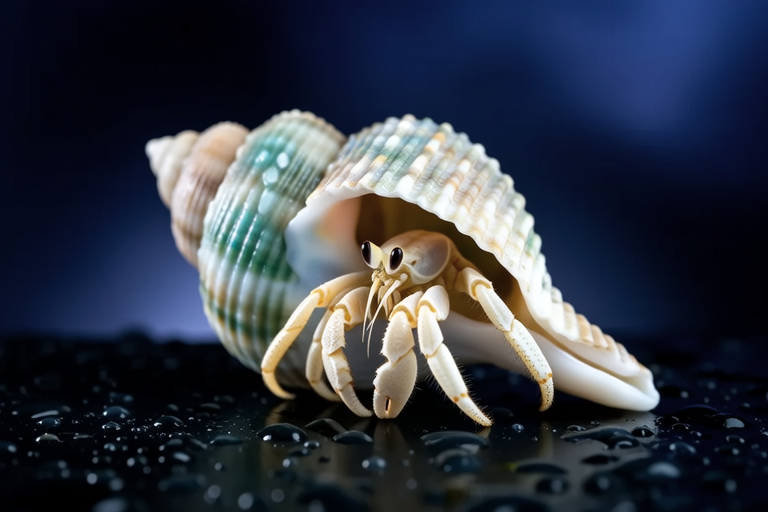
Pea Crab: The Tiniest Treasure of the Shellfish World
The ocean is teeming with life, from the largest whales to the smallest microorganisms. Among this vast array of marine creatures, one tiny inhabitant stands out as a true marvel – the pea crab (Pinnotheres spp.). This diminutive crustacean, named for its resemblance to a garden pea, is not only one of the smallest crabs but also plays a crucial role in maintaining the balance of marine ecosystems. Despite its petite stature, the pea crab has captured the attention of marine biologists and enthusiasts alike, earning its reputation as the tiniest treasure of the shellfish world.
A Tiny Marvel
The pea crab typically measures between 3 to 10 millimeters in length, making it one of the smallest crabs in existence. Its small size is both a blessing and a curse; while it allows the pea crab to fit into tight spaces, it also makes it vulnerable to predation. Despite this, the pea crab has adapted remarkably well to its environment, thriving in various marine habitats.
Habitat and Preferred Environments
Pea crabs are found in a wide range of marine environments, including estuaries, coastal waters, and deep-sea trenches. They prefer areas rich in bivalves, such as oysters, mussels, and scallops, which serve as hosts for the crabs. These bivalves provide the pea crabs with protection, shelter, and a steady supply of food. Pea crabs have been discovered in diverse locations around the world, from the shallow waters of the Pacific coast to the depths of the Atlantic Ocean.
Symbiotic Relationships
The pea crab’s most notable feature is its symbiotic relationship with bivalves. This partnership is mutually beneficial, with the pea crab living inside the host’s shell. In return for protection and food, the pea crab assists the bivalve by cleaning its gills and removing parasites. This interaction exemplifies the intricate web of life within marine ecosystems, where each organism plays a vital role in maintaining balance.
Physical Characteristics
The pea crab’s body is flattened and oval-shaped, allowing it to fit snugly within the bivalve’s shell. It has four pairs of legs, with the first pair modified into claws for grasping and manipulating objects. The pea crab’s exoskeleton is soft and pliable, enabling it to expand slightly when molting or growing. Its coloration varies depending on the species and the host bivalve, often mimicking the appearance of its host to blend in seamlessly.
Diet and Feeding Habits
The pea crab is an omnivorous scavenger, feeding on a variety of organic matter found within its host bivalve. This includes plankton, detritus, and small organisms that enter the bivalve’s gills. By consuming these particles, the pea crab helps to maintain the health of its host by preventing the buildup of harmful substances. Additionally, the pea crab may feed on the bivalve’s gametes, which can influence the reproductive success of the host.
Reproduction Process
The pea crab’s reproductive cycle is closely tied to its host bivalve. Mating occurs within the safety of the bivalve’s shell, ensuring that the eggs are protected from predators. After mating, the female pea crab carries her eggs beneath her abdomen until they hatch. The larvae then disperse into the water column, where they search for suitable bivalve hosts to begin their own symbiotic relationships. This method of reproduction ensures the continuation of the species and reinforces the delicate balance between the pea crab and its host.
Unique Behaviors and Adaptations
The pea crab exhibits several unique behaviors and adaptations that set it apart from other crustaceans. One of the most fascinating aspects of its life cycle is its ability to manipulate the growth of its host bivalve. By injecting hormones into the host’s tissues, the pea crab can control the rate at which the bivalve grows, ensuring that there is always enough space for the crab to live comfortably. This adaptation demonstrates the complexity of symbiotic relationships and highlights the pea crab’s remarkable adaptability.
The Importance of Conservation
Despite their small size, pea crabs play a crucial role in marine ecosystems. Their symbiotic relationships with bivalves contribute to the overall health and stability of these environments. By maintaining the cleanliness of their hosts’ gills and removing parasites, pea crabs help to ensure the survival of their hosts, which in turn supports the broader ecosystem. As such, it is essential to conserve these tiny creatures and the habitats in which they thrive.
Conservation efforts should focus on protecting the bivalve populations that serve as hosts for the pea crabs. This can be achieved through sustainable fishing practices, habitat restoration, and the implementation of marine protected areas. By safeguarding the pea crab’s natural environment, we can help ensure the continued existence of this remarkable species and the vital role it plays in marine ecosystems.
In conclusion, the pea crab is more than just a tiny shellfish; it is a testament to the complexity and interconnectedness of life in the ocean. Its symbiotic relationships, unique adaptations, and vital role in marine ecosystems make it a true treasure of the shellfish world. By understanding and appreciating the pea crab, we can gain valuable insights into the delicate balance of marine life and work towards preserving these incredible creatures for future generations.
