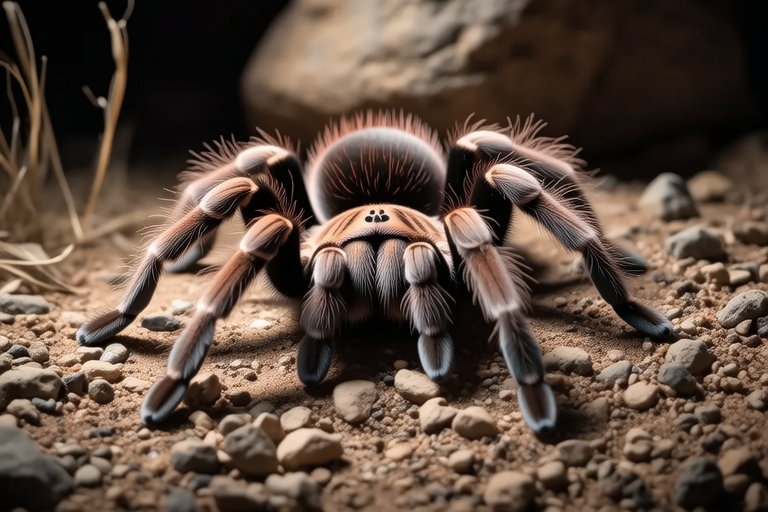
The Ultimate Guide to Handling and Bonding with Your Chilean Rose Tarantula
Welcome to the world of tarantula ownership! The Chilean Rose Tarantula (Grammostola rosea) is one of the most popular species among tarantula enthusiasts due to its manageable size, docile nature, and striking appearance. This guide will provide you with all the information you need to ensure your Chilean Rose Tarantula thrives in its new home and offers tips on building a strong bond with your pet.
Basic Care Requirements
Habitat Setup
Your tarantula’s enclosure should mimic its natural environment as closely as possible. For a single adult, a 10-gallon tank is sufficient, but larger enclosures are better for more spacious living. Ensure the enclosure has proper ventilation while preventing drafts. A secure lid is crucial to prevent escapes. Use a substrate like coconut fiber, peat moss, or vermiculite, which retains moisture and provides burrowing opportunities. Add some cork bark or branches for climbing and hiding spots.
Temperature and Humidity Preferences
Maintain temperatures between 75°F and 85°F (24°C – 29°C) during the day, slightly cooler at night. Use a thermometer and hygrometer to monitor these conditions. Keep humidity levels around 60% to 70%, which can be achieved by misting the enclosure daily. Avoid over-saturating the substrate to prevent mold growth.
Feeding Habits and Dietary Needs
Chilean Rose Tarantulas are carnivores and primarily feed on live insects such as crickets, mealworms, and dubia roaches. Feed juveniles every 2-3 days and adults once a week. Gut-load feeder insects with nutritious food before offering them to your tarantula. Dust insects with calcium and vitamin supplements weekly. Remove uneaten prey after 24 hours to avoid stressing your tarantula.
Safe Handling Techniques
Handling should only occur when necessary and after establishing trust. Always wash hands before and after handling to avoid transferring oils or chemicals. Place a flat hand gently into the enclosure, allowing your tarantula to climb onto it. Support its body fully and avoid squeezing or restraining it. Return your tarantula to its enclosure promptly after handling. Over time, your tarantula may become more comfortable with handling, reducing stress.
Recognizing Signs of Stress or Illness
Signs of stress include increased hiding, refusal to eat, and unusual aggression. Monitor your tarantula regularly for any changes in behavior. Common illnesses include mites, respiratory infections, and digestive issues. Seek veterinary advice if you notice any abnormalities. Early intervention is key to successful treatment.
Tips for Creating a Bond
Consistency and gentleness are essential for building a bond with your tarantula. Spend time near its enclosure daily, talking softly or playing music. Gradually increase the amount of time you spend handling your tarantula. Reward positive interactions with treats, such as a small insect. Patience is vital; some tarantulas may never enjoy handling, while others might develop a fondness for human interaction.
Understanding Your Tarantula’s Behavior
Learn to interpret your tarantula’s behaviors to understand its needs better. A healthy tarantula will be active, eating regularly, and maintaining good hygiene. Pay attention to webbing patterns, feeding habits, and how often it uses its hiding spots. Regular observations will help you identify any potential issues early.
Conclusion
Owning a Chilean Rose Tarantula is a rewarding experience that requires commitment and care. By providing a suitable habitat, proper nutrition, and gentle handling, you can ensure your tarantula lives a long and healthy life. Building a bond takes time and patience, but the effort is well worth it. Enjoy this unique relationship and appreciate the beauty and complexity of these fascinating creatures.
