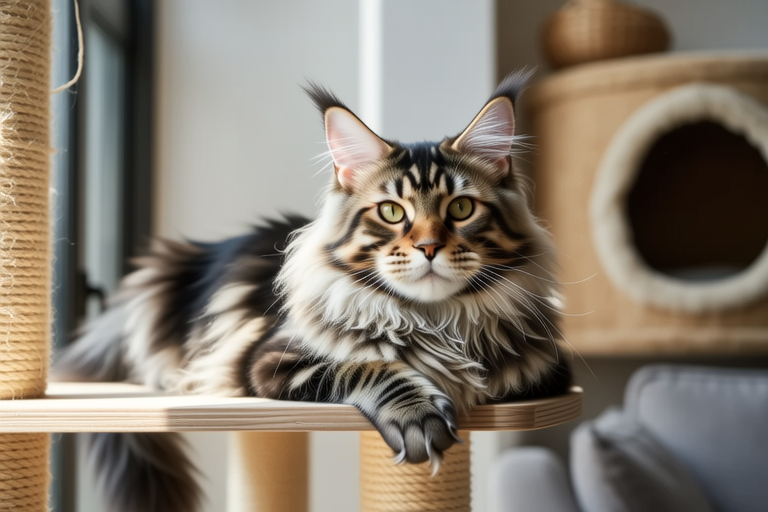
The Ultimate Guide to Keeping Your Maine Coon Happy and Healthy at Home
Maine Coons are one of the largest domestic cat breeds, known for their friendly dispositions and affectionate nature. They are also highly intelligent and require specific care to ensure they remain healthy and happy in their home environment. This guide will cover dietary needs, exercise routines, grooming tips, common health issues and preventive care, mental stimulation activities, and creating a comfortable living space for your Maine Coon.
Dietary Needs
Proper nutrition is essential for maintaining the health of your Maine Coon. These cats have high metabolisms and can be prone to obesity if not monitored. A balanced diet rich in protein, with moderate amounts of fat and carbohydrates, is ideal. High-quality commercial cat foods designed for large breeds or growth stages are recommended. Consult your veterinarian to determine the best food and portion sizes for your cat’s age and activity level. Fresh water should always be available.
Veterinary experts suggest feeding Maine Coons smaller meals more frequently throughout the day rather than one large meal. This helps regulate their blood sugar levels and prevents overeating. Avoid foods that are harmful to cats, such as chocolate, onions, garlic, and grapes.
Exercise Routines Suitable for Indoor Environments
Maine Coons are active and playful cats, but their size makes them less suited for outdoor activities. Creating an engaging indoor environment is crucial for their physical well-being. Provide toys that encourage climbing, chasing, and pouncing. Puzzle feeders can also stimulate their minds while providing entertainment.
Interactive play sessions with your Maine Coon are beneficial. Use toys that mimic prey, like feather wands or laser pointers, to engage them in hunting behavior. Climbing structures and scratching posts allow them to stretch and exercise their muscles. Regular playtime helps maintain their weight and prevents boredom.
Grooming Tips
Maine Coons have long, luxurious coats that require regular grooming. Their semi-water-resistant fur is dense and thick, which can trap dirt and debris. Brushing your Maine Coon weekly helps remove loose hair and prevent matting. Use a slicker brush followed by a comb to detangle any knots. Bathing may be necessary every few months, but avoid excessive bathing as it can dry out their skin.
Eyelid cleaning is important due to the breed’s tendency towards tear staining. Use a damp cloth or cotton ball to gently wipe away any discharge around the eyes. Regular nail trimming is also necessary, as overgrown nails can cause discomfort and lead to hygiene issues.
Common Health Issues and Preventive Care
Maine Coons are generally healthy, but they are susceptible to certain genetic disorders. Hip dysplasia, hypertrophic cardiomyopathy (HCM), and polycystic kidney disease (PKD) are among the most common. Early detection through regular veterinary check-ups is key. Genetic testing can identify carriers of PKD before breeding.
Vaccinations and parasite control are vital. Keep up with annual vaccinations and flea, tick, and heartworm prevention. Dental hygiene is also crucial; brush your cat’s teeth regularly or provide dental treats. Senior cats may benefit from joint supplements to support mobility.
Mental Stimulation Activities
Maine Coons are intelligent and curious, so mental stimulation is just as important as physical exercise. Interactive toys, puzzle feeders, and training sessions can keep their minds sharp. Teach basic commands or tricks using positive reinforcement techniques. Rotate toys periodically to keep things interesting. Consider setting up an obstacle course with tunnels and platforms for added challenge.
Providing hiding spots and elevated perches allows your cat to explore and observe their surroundings safely. These spaces offer comfort and security, which are important for reducing stress. Social interaction with family members or other pets can also provide mental enrichment.
Creating a Comfortable Living Space
Designating a safe and comfortable space for your Maine Coon is essential. Choose a quiet area with soft bedding and a warm spot for napping. Provide access to windows where they can watch birds and other outdoor activities. Ensure there are multiple litter boxes placed strategically around the house, especially if you have multiple cats.
Vertical space is important for Maine Coons. Install shelves or cat trees that reach from floor to ceiling. This allows them to climb, scratch, and survey their territory. Window perches or bird feeders outside the window can further enhance their enjoyment of the outdoors without exposing them to dangers.
Conclusion
By following these guidelines, you can help ensure that your Maine Coon remains happy and healthy throughout its life. Remember that each cat is unique, so pay close attention to your pet’s individual needs and preferences. Regular vet visits, proper nutrition, exercise, grooming, mental stimulation, and a comfortable living space all contribute to a long, fulfilling life for your beloved Maine Coon.
