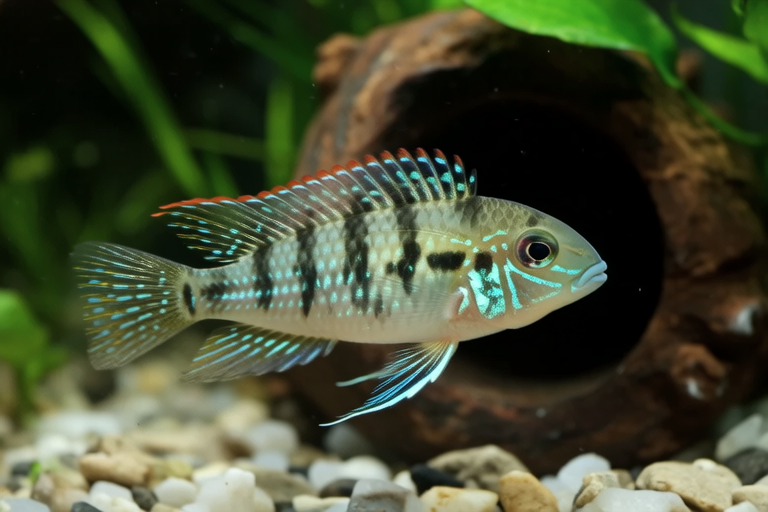
Raising Rajah Cichlids: A Comprehensive Guide
Known for their vibrant colors and fascinating behaviors, Rajah Cichlids (Vicary’s Cichlid) are a popular choice among aquarium enthusiasts. However, successfully raising these fish requires careful attention to specific environmental conditions, dietary needs, and social interactions. This guide will walk you through the essential aspects of caring for Rajah Cichlids, offering actionable advice for both beginners and intermediate aquarists.
1. Ideal Water Parameters and How to Maintain Them
The first step in raising healthy Rajah Cichlids is ensuring that your tank has the right water conditions. Rajah Cichlids thrive in slightly acidic to neutral water with a pH range of 6.5 to 7.5. The water hardness should be between 5 and 15 dGH, and the temperature should be maintained at around 75 to 82 degrees Fahrenheit. To achieve and maintain these parameters, it’s crucial to use a reliable water testing kit and perform regular partial water changes, typically about 20% every week.
2. Suitable Tank Size and Setup Recommendations
Aquarium size plays a significant role in the well-being of Rajah Cichlids. For a single pair, a tank of at least 55 gallons is recommended. Larger tanks provide more swimming space and reduce stress, which can help mitigate aggressive behavior. Additionally, the tank should have robust filtration to handle the bioload of these active fish. Decorations like rocks, driftwood, and plants create a natural environment and provide hiding spots, enhancing the fish’s comfort and security.
3. Best Diet and Feeding Practices
Rajah Cichlids are omnivorous and require a balanced diet consisting of both plant matter and protein. High-quality flake food, pellets, and occasional live or frozen foods such as brine shrimp, bloodworms, and daphnia make up a nutritious diet. Feed your Rajah Cichlids two to three times daily, offering small portions to prevent overfeeding and maintain water quality. Overfeeding can lead to poor water conditions and health issues.
4. Compatibility with Other Fish Species
Due to their territorial nature, Rajah Cichlids are best kept with compatible tank mates. Peaceful, robust fish that can hold their own are ideal companions. Examples include some barbs, tetras, and larger cichlids like Convicts. Avoid smaller, less aggressive species that could become prey. Always research the compatibility of potential tank mates before introducing them to your Rajah Cichlid tank.
5. Specific Breeding Requirements and Tips
Breeding Rajah Cichlids can be rewarding but requires additional preparation. Provide a spacious breeding tank with ample hiding spots and soft substrate for spawning. When ready to breed, introduce a mature male and female into the breeding tank. Ensure the water parameters are optimal, and the tank is free from stressors. Once they spawn, remove the parents to prevent them from eating the eggs or fry. Fry can be fed infusoria initially and then moved to larger foods as they grow.
6. Common Health Issues and Preventive Measures
Common health issues in Rajah Cichlids include ich, fin rot, and swim bladder disorders. Maintaining excellent water quality, providing a varied diet, and avoiding overcrowding are key preventive measures. Regularly observe your fish for any signs of illness, such as lethargy, loss of appetite, or physical abnormalities. Prompt treatment with appropriate medications can often cure these conditions.
7. Importance of Tank Decorations and Hiding Spots
Decorations and hiding spots are vital for the mental and physical health of Rajah Cichlids. These fish need places to feel secure, especially during spawning and territorial disputes. Rocks, caves, and dense vegetation offer refuge and stimulate natural behaviors. Proper decoration also helps in maintaining a stable ecosystem, contributing to overall tank health.
8. Techniques for Reducing Aggression Among Rajah Cichlids
Aggression can be managed by providing ample space, multiple hiding spots, and a well-balanced diet. Introducing new fish gradually and maintaining a consistent routine can also help. If aggression becomes problematic, consider separating the most aggressive individuals or providing additional territory through larger tanks or dividers.
9. Regular Maintenance Routines for Tank Health
Regular maintenance ensures the longevity and health of your Rajah Cichlids. Perform weekly water changes, clean the filter regularly, and monitor equipment like heaters and filters. Keep a log of water parameters and fish behavior to track any changes and address issues promptly. Regular maintenance not only keeps your fish healthy but also enhances the aesthetic appeal of your aquarium.
10. Personal Anecdotes or Experiences from Experienced Aquarists
Many experienced aquarists share stories of the challenges and joys of raising Rajah Cichlids. One enthusiast noted, “Initially, I struggled with aggression, but after increasing the tank size and adding more hiding spots, my Rajah Cichlids became much more peaceful.” Another shared, “The key to successful breeding was creating a dedicated breeding tank with the right conditions and removing the parents once they spawned.”
In conclusion, raising Rajah Cichlids involves dedication and knowledge but is immensely rewarding. By following the guidelines provided in this comprehensive guide, you can ensure the health and happiness of your Rajah Cichlids while enjoying their captivating presence in your aquarium.
