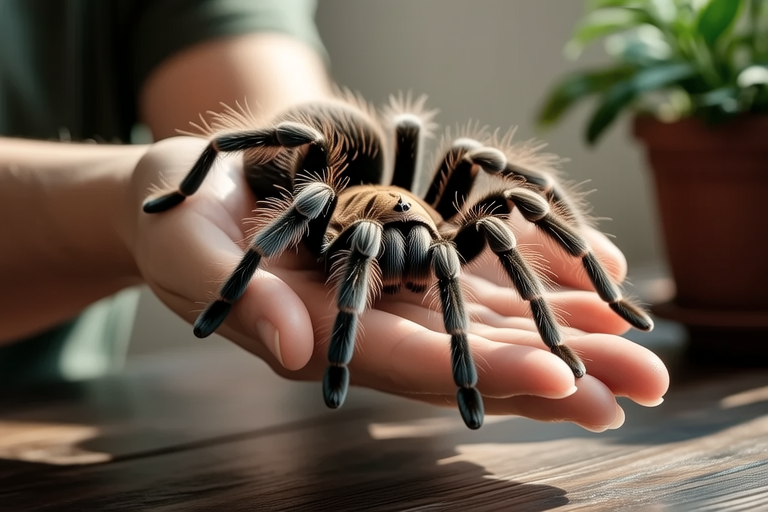
Dual Perceptions Surrounding Tarantulas: Adorable Pets or Arachnophobia Trigger?
Tarantulas, members of the Theraphosidae family, are among the most misunderstood and polarizing creatures in the world of pets. For some, they are the epitome of cute and cuddly, while for others, they are the embodiment of all things creepy and crawly. This article explores the dual perceptions surrounding tarantulas, detailing their unique characteristics, care requirements, and the experiences of their owners. It also delves into the educational aspect of owning such pets and provides tips for those considering tarantulas as companions.
The Appeal of Tarantulas as Pets
For many pet enthusiasts, tarantulas offer a unique and fascinating experience. Their large size, distinct personalities, and relatively low maintenance make them an attractive option for those looking for something different. One of the most appealing aspects of tarantulas is their docile nature. Unlike many other spiders, tarantulas are generally calm and slow-moving, making them easier to handle and interact with. Their vibrant colors and intricate patterns also add to their charm, creating a visually striking pet.
Care requirements for tarantulas are relatively simple compared to other exotic pets. They require a well-ventilated enclosure with appropriate substrate, such as coconut fiber or bark chips, to mimic their natural environment. Temperature and humidity levels must be carefully controlled to ensure the health and well-being of the spider. A diet consisting of live insects, such as crickets and mealworms, provides the necessary nutrients. Regular cleaning and monitoring of the enclosure are essential to maintain optimal living conditions.
Myths about the danger of tarantulas often overshadow their true nature. Contrary to popular belief, tarantulas are not aggressive towards humans and rarely bite unless provoked. Their venom is generally mild and comparable to a bee sting. In fact, many species of tarantulas have barbed hairs on their abdomen, which they can release as a defense mechanism. These hairs irritate the skin and eyes but do not cause serious harm. Understanding these facts helps dispel common misconceptions and fosters a more accurate perception of tarantulas.
Real-Life Experiences from Tarantula Owners
Owners of tarantulas share a wealth of positive experiences that challenge the notion of these creatures as dangerous. Many report forming strong bonds with their pets, noting individual quirks and behaviors. Some owners even describe their tarantulas as affectionate, enjoying gentle handling and interaction. The sense of responsibility and care involved in maintaining a tarantula’s habitat fosters a deep connection between owner and pet.
One owner, Sarah, shares her experience: “When I first brought my tarantula home, I was nervous, but after spending time with her, I realized she was just like any other pet. She has her own personality and responds to me in her own way. Handling her has become a peaceful ritual, and I feel a great sense of accomplishment knowing I provide a safe and comfortable environment for her.”
Another owner, Mike, emphasizes the educational value of tarantulas: “Owning a tarantula has taught me so much about biology and ecology. It’s amazing to see how they adapt to their surroundings and how they interact with their environment. Sharing this knowledge with friends and family has helped change their perspective on these incredible creatures.”
Initial Reactions of Visitors to Tarantula Owners’ Homes
The initial reaction of visitors to a tarantula owner’s home often ranges from curiosity to outright fear. Many are surprised by the docile nature of the tarantula and the level of care provided by the owner. Some visitors may initially express hesitation or discomfort but are often won over by the owner’s enthusiasm and the spider’s calm demeanor.
One visitor, John, recalls his first encounter: “I was hesitant when I heard there was a tarantula at the house, but once I met the spider, I realized it wasn’t scary at all. The owner explained its behavior and care, and I found myself fascinated by the creature. It was a great learning experience.”
The Educational Aspect of Owning Tarantulas
Owning a tarantula can be a valuable educational tool, teaching owners and visitors alike about the importance of biodiversity and conservation. By understanding the specific needs and behaviors of tarantulas, owners gain insight into the broader ecosystem and the challenges faced by these animals in the wild. This knowledge can inspire greater awareness and action towards protecting endangered species and their habitats.
Many owners participate in local events and workshops to share their experiences and promote responsible pet ownership. These opportunities allow for the exchange of information and the fostering of a supportive community among exotic pet enthusiasts.
Tips for Those Considering Tarantulas as Pets
For those considering tarantulas as pets, it is crucial to conduct thorough research and prepare adequately. Here are some tips to help you get started:
- Research the Species: Different species of tarantulas have varying care requirements. Choose a species that aligns with your ability to provide the necessary environment and attention.
- Prepare the Enclosure: Ensure the enclosure is appropriately sized and equipped with the right substrate, temperature control, and hiding spots. Proper ventilation is also essential for maintaining air quality.
- Understand Feeding Requirements: Familiarize yourself with the dietary needs of your tarantula and the availability of suitable prey items. Provide a balanced diet to promote good health.
- Handle with Care: While tarantulas are generally docile, always approach handling with caution and respect. Use proper techniques to minimize stress and avoid accidental injury.
- Join a Community: Engage with other tarantula owners through forums, social media groups, and local clubs. These communities offer invaluable support, advice, and resources for new and experienced owners alike.
The Community Around Exotic Pet Keeping
The community around exotic pet keeping is diverse and passionate, offering a wealth of resources and support for tarantula owners. Forums, social media groups, and local clubs provide platforms for sharing experiences, asking questions, and learning from others. Many members of the community are dedicated to promoting responsible pet ownership and raising awareness about the ethical considerations involved in keeping exotic pets.
Participating in these communities can enhance your enjoyment and understanding of tarantulas, providing opportunities for networking, collaboration, and personal growth. By connecting with like-minded individuals, you can deepen your appreciation for these fascinating creatures and contribute to their conservation efforts.
In conclusion, tarantulas offer a unique and rewarding pet experience for those willing to embrace their quirks and challenges. By dispelling myths, sharing real-life experiences, and fostering a supportive community, we can work towards changing the perception of tarantulas from feared to cherished. Whether you’re a seasoned enthusiast or a curious newcomer, there’s much to learn and enjoy in the world of tarantula keeping.
