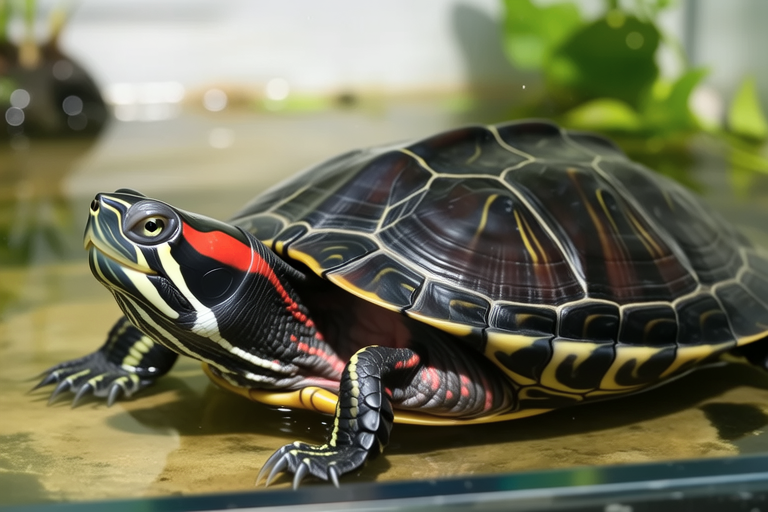
Red-eared Slider Care: Tips from Experts for Perfect Turtle Ownership
Welcome to the world of turtle ownership! Red-eared sliders (Trachemys scripta elegans) are one of the most popular aquatic turtles among pet enthusiasts. Their vibrant appearance and relatively easy care make them an attractive choice for beginners and seasoned reptile lovers alike. However, owning a red-eared slider comes with responsibilities. This comprehensive guide will provide you with essential care tips, ensuring your turtle lives a long, healthy, and happy life.
Habitat Setup: Creating the Ideal Environment
The first step in becoming a responsible red-eared slider owner is setting up the right habitat. These turtles require a spacious tank that provides ample swimming space along with a dry area for basking. The rule of thumb is to have at least 10 gallons of water per inch of shell length for smaller turtles, increasing to 40 gallons or more as they grow. A good-sized tank ensures your turtle has enough room to swim and move around comfortably.
Water quality is crucial for your turtle’s health. Invest in a high-quality filtration system that can handle the tank’s volume and includes biological, mechanical, and chemical filtration. Regular water changes are also necessary to maintain cleanliness and prevent bacterial growth.
For the basking area, use a flat rock or a specially designed turtle dock. Ensure it’s positioned so your turtle can easily climb onto it and reach the warmth provided by a UVB light and a heat lamp. The basking spot should be heated to around 85-90 degrees Fahrenheit, while the water temperature should range between 75-80 degrees Fahrenheit. A thermometer placed in both areas will help you monitor these temperatures accurately.
In addition to heating, providing appropriate lighting is vital. Turtles need UVB light to synthesize vitamin D3, which aids in calcium absorption. Choose a UVB light specifically designed for reptiles and position it close enough to the basking area for effective exposure. Replace the bulb every six months or as recommended by the manufacturer to ensure optimal performance.
Diet Requirements: Nourishing Your Turtle
A balanced diet is key to maintaining your red-eared slider’s health. In the wild, these omnivores consume a variety of foods, including aquatic plants, insects, and small fish. Replicate this diversity in captivity to ensure proper nutrition.
Younger turtles (under 4 years) should primarily eat protein-rich foods such as commercial turtle pellets, freeze-dried krill, and earthworms. As they mature, gradually shift their diet towards more plant-based items like leafy greens (kale, romaine lettuce), vegetables (carrots, squash), and fruits (melons, berries). Offer a mix of these food types, ensuring a varied and nutritious meal plan.
It’s important to avoid overfeeding, as excess food can lead to obesity and other health issues. Feed juveniles daily, reducing the frequency to every other day as they mature. Always remove uneaten food promptly to maintain water quality.
Supplemental vitamins and minerals are often necessary to prevent deficiencies. Consult with a veterinarian specializing in reptiles to determine if your turtle needs additional calcium or vitamin D3 supplements. Over-supplementation can be harmful, so follow professional guidance carefully.
Health Maintenance: Keeping Your Turtle Happy and Healthy
Regular health checks are essential for catching any potential issues early. Familiarize yourself with normal behaviors and physical characteristics of your turtle. Signs of illness include lethargy, loss of appetite, swollen eyes, or abnormal discharges. If you notice any of these symptoms, consult a veterinarian immediately.
Veterinary care is critical for maintaining your turtle’s well-being. Schedule annual check-ups, even when no obvious problems are present. During these visits, a veterinarian can perform a thorough examination, administer vaccinations, and discuss any concerns you may have.
Proper hygiene is also crucial for preventing infections. Clean the tank regularly, paying special attention to the basking area and water filter. Disinfecting tools and accessories used within the tank can further reduce the risk of contamination. Always wash your hands before and after handling your turtle to minimize the spread of bacteria.
Common Mistakes to Avoid
Despite their popularity, many red-eared slider owners make common mistakes that can negatively impact their turtle’s health. One of the most frequent errors is inadequate housing. Providing insufficient space or improper temperature gradients can stress your turtle and lead to health problems.
Another mistake is poor diet. Feeding too much protein or ignoring the importance of plant-based foods can result in nutritional imbalances. Always research and understand your turtle’s dietary needs before making feeding decisions.
Overcrowding is another issue to watch out for. Housing multiple turtles together can be tempting, but it increases competition for resources and can cause stress. If you plan to keep multiple turtles, ensure the tank size is adequate and monitor their interactions closely.
Lastly, neglecting veterinary care is a significant error. Many owners assume their turtle is fine because it appears active, but internal health issues can go unnoticed without regular check-ups. Prioritize preventative care to catch and address any problems early.
Advice for New Owners
If you’re new to turtle ownership, congratulations on choosing a fascinating and rewarding pet! Start by thoroughly researching red-eared sliders to understand their specific needs. Visit local pet stores or online forums to gather information and connect with experienced owners.
Invest in quality supplies from the beginning. While it might seem cost-effective to buy cheaper equipment, subpar products can compromise your turtle’s health. Spend the extra money on reliable filters, lights, and tanks to create a safe and comfortable environment.
Be patient as you learn about your turtle’s behavior and preferences. Each animal is unique, and understanding its individual needs takes time. Observe how your turtle interacts with its environment and adjust its habitat accordingly.
Advice for Experienced Owners
Even experienced turtle owners can benefit from continuous learning. Stay updated on the latest research and best practices in turtle care. Joining local or online communities can provide valuable insights and support.
Consider upgrading your turtle’s habitat periodically. As your turtle grows, its needs change. Regularly assess the tank size, water quality, and basking area to ensure they meet your turtle’s current requirements.
Finally, reflect on your turtle’s overall happiness and well-being. Are there any areas where you could improve? Whether it’s adjusting feeding schedules or enhancing environmental enrichment, making thoughtful adjustments can significantly enhance your turtle’s quality of life.
Conclusion
Owning a red-eared slider is a rewarding experience that requires commitment and knowledge. By following these expert-recommended tips for habitat setup, diet, health maintenance, and avoiding common pitfalls, you’ll be well on your way to providing excellent care for your turtle. Remember, each turtle is unique, so tailor your approach based on individual needs and preferences. With proper care, your red-eared slider can thrive for decades, bringing joy and companionship into your home.
