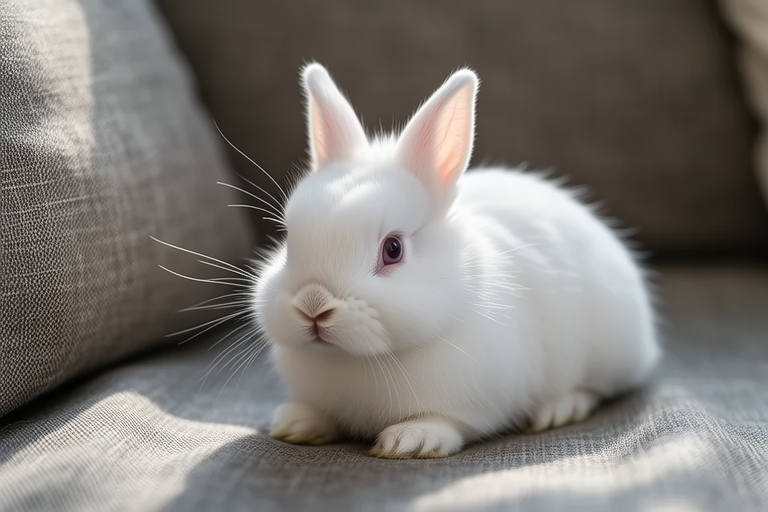
Adorable and Compact: The Complete Guide to Caring for Dutch Dwarf Rabbits
Welcome to your comprehensive guide on caring for Dutch Dwarf rabbits! These small, charming creatures are popular pets due to their compact size and delightful personalities. This guide will cover everything from their unique characteristics to dietary needs, housing, and health care. Let’s dive into the world of Dutch Dwarfs and discover how to provide them with a happy and healthy life.
Unique Characteristics of Dutch Dwarf Rabbits
Dutch Dwarf rabbits are one of the smallest breeds of domesticated rabbits, weighing between 1.4 to 2.3 kg (3 to 5 pounds). They come in a variety of colors and patterns, making them visually appealing. Their gentle nature and playful demeanor make them ideal companions for families and individuals alike. Dutch Dwarfs have short, dense coats that require minimal grooming but still need regular attention.
Dietary Needs
Proper nutrition is crucial for the well-being of your Dutch Dwarf rabbit. A balanced diet should consist of hay, fresh vegetables, and a limited amount of pellets. Timothy hay or orchard grass should be available at all times, as it aids in digestion and keeps teeth healthy. Offer a variety of leafy greens like romaine lettuce, parsley, and spinach, but avoid feeding iceberg lettuce, which can cause digestive issues. Limit pellets to 1/8 cup per day, as they are high in calories.
Ensure clean, fresh water is always accessible. Introduce new foods gradually to monitor for any adverse reactions. Consult with your veterinarian if you notice changes in your rabbit’s appetite or digestion.
Suitable Housing Conditions
Choosing the right living space for your Dutch Dwarf rabbit is vital for their comfort and safety. Provide a spacious cage or hutch that allows ample room for movement and play. The cage should measure at least 120 cm x 60 cm (4 feet x 2 feet) for a single rabbit, with additional space for each additional rabbit. Ensure good ventilation and protection from drafts. Line the bottom of the cage with soft bedding material such as shredded paper or straw, and provide nesting boxes for warmth and security.
Place the cage in a quiet area away from direct sunlight, extreme temperatures, and potential hazards. Clean the cage regularly to maintain hygiene and prevent odor buildup. Consider providing ramps or platforms for climbing and exploring.
Exercise Requirements
Regular exercise is essential for maintaining your rabbit’s physical and mental health. Allow your Dutch Dwarf rabbit supervised time outside of its cage daily. A safe, enclosed area free from predators and toxic plants is ideal for playtime. Provide tunnels, toys, and other enrichment items to stimulate their natural behaviors. Rotate toys periodically to keep them engaged. Monitor your rabbit during exercise sessions to ensure their safety and prevent injuries.
Grooming Tips
Although Dutch Dwarf rabbits have short fur, regular grooming helps maintain their coat’s health and appearance. Brush your rabbit weekly with a soft-bristled brush to remove loose hair and prevent matting. Pay special attention to areas prone to tangles, such as behind the ears and around the tail. During shedding season, increase brushing frequency to two or three times a week. Bathe your rabbit only when necessary, as frequent bathing can strip their skin of natural oils. Use a gentle shampoo specifically formulated for rabbits and dry them thoroughly afterward.
Common Health Issues
Like any pet, Dutch Dwarf rabbits are susceptible to certain health problems. Regular veterinary check-ups help catch issues early. Common ailments include dental disease, gastrointestinal stasis, and respiratory infections. Signs of illness may include decreased appetite, lethargy, runny nose, or difficulty breathing. Prompt medical attention can improve outcomes. Preventive measures include providing a balanced diet, ensuring proper hydration, and maintaining a clean living environment.
Selecting the Right Veterinarian
Choosing a knowledgeable and experienced veterinarian is crucial for your rabbit’s health. Look for a vet familiar with exotic pets or rabbit-specific care. Ask friends or fellow rabbit owners for recommendations. Schedule initial consultations to assess compatibility and discuss your concerns. Ensure the vet’s office is easily accessible and has emergency services available. Building a relationship with your vet fosters open communication and ensures your rabbit receives optimal care.
Understanding Rabbit Behavior
Rabbits communicate through body language, vocalizations, and scent marking. Learn to recognize signs of happiness, stress, or discomfort. Positive reinforcement training techniques can strengthen the bond between you and your rabbit. Spend time interacting with your rabbit daily, offering treats and praise for desired behaviors. Socialization helps your rabbit become comfortable with humans and other animals. Gradually introduce new stimuli to prevent fear or aggression. Patience and consistency are key in developing a trusting relationship.
Creating an Enriching Environment
An engaging environment promotes mental and physical stimulation. Provide a variety of toys, tunnels, and hiding spots to mimic natural habitats. Rotate toys periodically to prevent boredom. Introduce puzzle feeders or treat-dispensing toys to encourage problem-solving skills. Incorporate safe household items like cardboard boxes or toilet paper rolls for chewing and shredding. Supervise playtime to ensure safety and intervene if conflicts arise. Encourage exploration by rearranging furniture or adding new elements to their space.
Responsibilities Involved in Owning a Dutch Dwarf Rabbit
Owning a Dutch Dwarf rabbit involves significant responsibilities. Commitment to their care, including daily interactions, grooming, and veterinary visits, is essential. Be prepared for unexpected expenses and time commitments. Consider the long-term implications of pet ownership before bringing a rabbit into your home. Adopting from reputable breeders or shelters ensures healthier, well-socialized animals. Research local regulations regarding rabbit ownership to avoid legal issues. By understanding these responsibilities, you can provide a loving home for your Dutch Dwarf rabbit.
In conclusion, Dutch Dwarf rabbits are delightful companions that bring joy and companionship to their owners. With proper care and attention, they thrive in loving homes. This guide serves as a starting point for new and experienced rabbit owners alike. Remember, the key to successful rabbit ownership lies in dedication, education, and love. Happy rabbit keeping!
