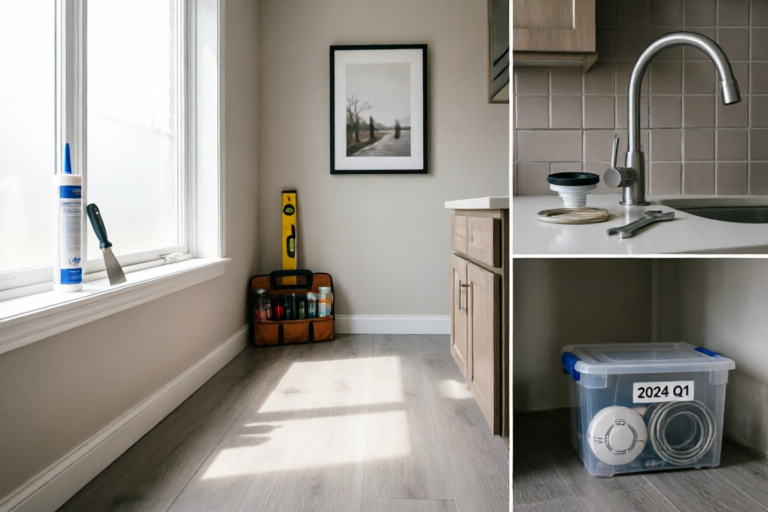
Top 5 Home Maintenance Hacks to Save Money and Prevent Disaster
Smart Maintenance, Secure Future
Top 5 Home Maintenance Hacks You Need to Know
Introduction: The Value of Proactive Home Care
Owning a home is one of the most significant financial investments an individual or family can make. However, ownership comes with responsibilities that extend far beyond making mortgage payments. One of the most overlooked aspects of homeownership is regular, proactive maintenance. While many homeowners tend to address issues only after they become catastrophic emergencies, adopting a preventative mindset can transform the longevity and safety of your property.
The philosophy behind proactive home care is simple yet profound: prevention is infinitely cheaper than cure. By dedicating time and effort to small, routine tasks, you can shield yourself from exorbitant repair bills, avoid the structural dangers associated with negligence, and significantly extend the lifespan of major household systems. From heating and cooling units to the structural integrity of your roof and foundation, every component of your home benefits from consistent attention.
In today’s economic climate, where labor costs and material prices continue to rise, the ability to perform basic maintenance yourself is not just a hobby; it is a vital skill. This article delves into five specific, high-impact home maintenance hacks designed to empower homeowners. These strategies focus on areas where minor neglect leads to major expenses, providing a clear roadmap for keeping your home healthy, efficient, and secure throughout the changing seasons.
Hack #1: Optimizing HVAC Airflow Efficiency
Heating, Ventilation, and Air Conditioning (HVAC) systems are often the largest energy consumers in a typical American home. When these systems are not functioning efficiently, they drive up utility bills and work harder than necessary, leading to premature wear and tear. The first hack involves a deceptively simple process: optimizing airflow efficiency through regular filter maintenance.
Why Air Filter Replacement Matters
It may seem trivial to buy a replacement filter, but the implications are massive. A clogged air filter restricts airflow through your HVAC system. When the system struggles to pull air through the restricted pathway, the fan motor must work harder to maintain circulation. This increased workload draws more electricity, directly impacting your monthly budget. Furthermore, poor airflow can cause the heat exchanger in your furnace to overheat, triggering safety shutoffs and potentially damaging the unit.
Beyond energy consumption, indoor air quality is at stake. Dirty filters allow dust, pollen, pet dander, and other particulates to circulate freely through your living spaces. This can exacerbate allergies and respiratory issues among family members. Clean filters trap these contaminants, ensuring that the air you breathe remains fresh and healthy.
Selecting the Right Filter
To truly optimize your system, choosing the correct filter is crucial. Look for filters with the Minimum Efficiency Reporting Value (MERV) rating appropriate for your system. Generally, a MERV rating between 8 and 11 is ideal for residential homes. Ratings below 8 offer little protection against allergens, while ratings above 13 might create too much resistance for standard residential blowers. Always check your owner’s manual to confirm compatibility before purchasing high-efficiency models.
Establishing a Replacement Schedule
Many homeowners forget to change their filters until they hear a rumbling noise coming from the vents or notice a spike in their energy bill. A proactive schedule ensures you stay ahead of problems. As a general rule, disposable fiberglass filters should be replaced every 30 days. Higher quality pleated filters may last up to 90 days. However, if you have pets, smokers in the house, or residents with severe allergies, you should increase the frequency to every 30-45 days regardless of the calendar season. Consistency is key to maintaining peak performance.
Hack #2: Detecting Plumbing Leaks Early
Water damage is one of the most destructive forces in a home. Unlike a burnt-out lightbulb or a dirty filter, hidden water leaks can silently compromise framing, drywall, flooring, and even the structural foundation of your house. Catching these leaks early is the second critical hack for home preservation. Fortunately, detecting hidden leaks does not always require professional plumbers; simple inspections and tests can reveal the issue.
The Water Meter Test
One of the most effective methods to detect invisible leaks is the water meter test. This process helps determine if there is water movement when no fixtures are being used.
- Locate Your Meter: Find your water meter, usually located near the street or in a utility box underground.
- Stop All Usage: Ensure absolutely no water is running in the house. Do not flush toilets, run the washing machine, or drink from taps.
- Record the Reading: Look at the indicator dial on your meter. Most meters have a small triangle or wheel that spins with even the slightest water flow.
- Monitor: Wait 30 to 60 minutes without using any water. If the indicator has moved since you started, you likely have a leak.
If movement is detected, proceed to isolate the area. Turn off valves under sinks, or the main valve to your outdoor sprinkler system, and see if the meter stops moving. This helps pinpoint whether the leak is internal or external.
Visual Inspection Tips
Regular walking tours of your home can reveal surface-level clues. Check ceilings for yellowish-brown water stains, which indicate moisture accumulation from above. Inspect baseboards for swelling or peeling paint. Mold or mildew odors, especially in bathrooms or basements, often point to stagnant moisture. Additionally, listen for the faint sound of running water in walls when the house is quiet. If found, address it immediately to prevent rot and mold infestation.
Common Culprits
The toilet is a frequent offender. If your toilet tank is leaking silently into the bowl, you could waste hundreds of gallons daily. A simple test involves placing a few drops of food coloring in the tank. If color appears in the bowl after 15 minutes without flushing, the flapper valve needs replacing. Similarly, faucet washers and pipe joints corrode over time. A quick tightening or reseating can stop a dripping annoyance before it becomes a flood hazard.
Hack #3: Protecting Exteriors with Gutter Care
Your home’s roof and walls shed a tremendous amount of water during rainstorms. The job of the gutter system is to collect this runoff and direct it safely away from the foundation. Neglecting this system is the third hack, and failure here leads to expensive foundation issues. Proper gutter care is the difference between a dry basement and a muddy crawlspace.
The Importance of Downspouts and Extensions
Cleaning the leaves and debris out of the troughs is obvious, but ensuring the water actually goes where you want it to go is equally important. Heavy rain can overwhelm standard downspouts. If water pours directly onto the soil adjacent to your foundation, it saturates the earth. Expansive clay soils absorb this water, swell, and exert pressure against foundation walls, leading to cracks and bowing over time.
To mitigate this, attach downspout extensions. These PVC tubes extend the discharge point 5 to 10 feet away from the house. This ensures that the bulk of the runoff disperses into the yard rather than pooling at the perimeter. Check these extensions annually to ensure they haven’t been pushed apart by settling soil or wildlife.
Seasonal Cleaning Strategies
Gutter cleaning should be treated as a seasonal chore. Ideally, this happens twice a year: late spring and late autumn. Autumn leaves accumulate quickly and clog drains in winter, leading to ice dams that can damage the roof sheathing. Spring cleaning removes pine needles and seeds that build up during the warm months.
Safety is paramount during this task. Never stand on the highest rung of a ladder. Maintain three points of contact at all times. If your home is two stories tall, consider hiring a professional or investing in gutter cleaning kits that allow you to rake debris from the ground without climbing.
Hack #4 & #5: Pest Sealing and Appliance Longevity
The fourth and fifth hacks involve protecting your home from unwanted intruders and ensuring the mechanical reliability of your large appliances. These two areas overlap significantly because both relate to the physical envelope and electrical systems of the house.
Pest Sealing: Creating a Fortified Barrier
Pests such as mice, rats, spiders, and insects seek entry points wherever temperature changes occur. They look for gaps around pipes, windows, doors, and vents. Sealing these entry points is a highly effective deterrent.
Materials to Use: Avoid using foam alone, as pests can chew through it easily. Instead, use a combination of silicone caulking for small cracks and copper mesh stuffed into larger holes around utility lines. Steel wool combined with caulk is also excellent for rodent prevention. Pay special attention to the perimeter of your home at the foundation level, as mice can squeeze through openings as small as a quarter.
Landscaping Management: Keep shrubbery trimmed back at least two feet from the siding. This removes "bridges" that allow pests to jump onto your roof or walls. Additionally, store firewood at least 20 feet away from the house to discourage termite and ant colonies from establishing bases nearby.
Appliance Longevity: Basic Electrical Checks
Major appliances like refrigerators, dryers, and dishwashers are expensive investments. Extending their life reduces waste and saving replacement costs.
Dryer Vents: Lint buildup is a leading cause of laundry room fires. Clean the lint trap after every load, but once a year, disconnect the hose and vacuum the duct thoroughly to remove deep accumulation. This improves drying efficiency and drastically reduces fire risk.
Fridge Coils: Refrigerator compressors generate heat. If the coils at the back or bottom are covered in dust, the compressor works harder to cool the interior. Vacuum these coils biannually to maintain efficiency and prevent motor burnout.
Electrical Panel: A visual inspection of your main electrical panel can catch hazards. Look for signs of burning smells, flickering lights, or buzzing sounds near outlets. Never open the circuit breaker box unless qualified, but keep the area clean and free of clutter to allow access in an emergency. Testing Ground Fault Circuit Interrupters (GFCIs) in kitchens and bathrooms ensures your outlets will trip during a surge, preventing shock hazards.
Conclusion: Building a Sustainable Maintenance Routine
Maintaining a home is not merely about fixing broken things; it is about building a sustainable routine that protects your investment and enhances your quality of life. The five hacks discussed—optimizing HVAC airflow, detecting plumbing leaks, caring for gutters, sealing against pests, and maintaining appliances—form a comprehensive defense strategy against deterioration and expense.
By implementing these practices, you shift from a reactive stance, dealing with crises, to a proactive stance, controlling outcomes. The initial time investment yields dividends in lower utility bills, fewer emergency service calls, and a safer environment for your family.
We recommend creating a seasonal checklist that incorporates these hacks. Mark your calendar for filter changes in January and July, gutter cleaning in April and October, and meter tests every six months. With consistency, home maintenance becomes second nature, allowing you to enjoy the peace of mind that comes from knowing your home is resilient, efficient, and secure.
Comments

Some of these are easy but finding the right filter size for my old HVAC unit was a nightmare 😂 wish there was a simpler link to find specs.

Did the visual check on my dryer vent. Found a huge blockage. Cleared it out, feels like air flow is way better now.

Making a seasonal checklist is such a good idea. I usually forget everything until something breaks. Going to print this out today.

Tried sealing around the windows with caulk as suggested. Caught like 5 spiders already so worth it. Anyone have good recommendations for outdoor sealant that lasts longer than one season?
Ugh, glad i read this before hurricane season. My gutters were full of leaves last year and we ended up with some minor flooding near the foundation. Not happening again!

Quick question on the leak detection thing... do I need to turn off all water inside before checking the meter? Just want to make sure im not doing that wrong lol

Seriously saved me like $30 this month just swapping out the filter. I had no idea it built up so much!