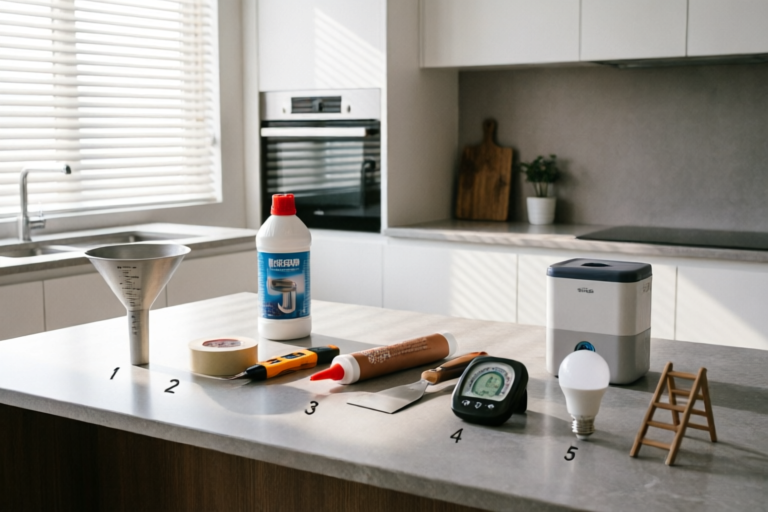
5 Essential Home Maintenance Hacks Every Homeowner Should Know
Maintain Smart, Live Better.
1. Introduction: The Importance of Proactive Home Maintenance
Living in a home is more than just having a roof over your head; it represents an investment in both your financial future and your physical well-being. However, even the most structurally sound houses require consistent attention to remain safe, efficient, and valuable. The concept of proactive home maintenance is a cornerstone of responsible ownership. Too often, homeowners adopt a reactive mindset, waiting for something to break before addressing it. While this approach might seem less costly in the short term, it invariably leads to significant expenses, safety hazards, and unnecessary stress in the long run.
Proactive maintenance involves identifying minor issues before they escalate into major disasters. Consider a small drip from a faucet. Left unchecked for months, it can lead to corrosion, mold growth behind walls, and ultimately, catastrophic pipe failure requiring expensive reconstruction. By addressing the drip early, you pay pennies rather than thousands of dollars. Furthermore, regular upkeep ensures that safety systems, such as smoke detectors and structural components, function correctly when needed most.
This comprehensive guide outlines five essential home maintenance hacks designed to empower you to take control of your property. These strategies cover everything from using natural ingredients to clean effectively to identifying water leaks before they ruin your flooring. Whether you are a seasoned homeowner or a first-time buyer, adopting these routines will build a resilient home environment that stands the test of time.
The goal is not merely to fix things but to understand the mechanics of your home. When you know how your systems work, you can make informed decisions that reduce waste, lower utility bills, and enhance comfort. In the following sections, we will dive deep into actionable techniques that blend traditional wisdom with modern efficiency, ensuring your home remains a sanctuary of comfort and safety.
2. Hacks 1 & 2: Natural Cleaning and Drain Unblocking Techniques
Chemical-based cleaning products are a staple in many households, but they come with downsides including health risks, environmental damage, and higher costs. Two of the most effective and budget-friendly hacks involve utilizing common household ingredients like white vinegar and baking soda. These materials offer powerful cleaning capabilities without the harsh toxins found in commercial sprays.
Hack 1: The Power of Acid and Base Reactions for Deep Cleaning
White vinegar is acidic, making it excellent at breaking down mineral deposits, soap scum, and grease. Baking soda is abrasive and basic, serving to scrub surfaces neutralize odors and lift stains. When combined, they create a fizzing reaction that helps dislodge grime from porous surfaces and cracks.
Tools Needed:
- White distilled vinegar
- Baking soda
- Spray bottle
- Sponge or soft-bristled brush
- Cloths
Step-by-Step Guide:
To clean your kitchen countertops, begin by sprinkling a generous layer of baking soda directly onto the surface. Spray white vinegar over the baking soda. Allow the solution to bubble and sit for about five to ten minutes. During this time, the chemical reaction lifts dirt and bacteria. Finally, wipe the surface down with a damp cloth. This method leaves surfaces streak-free and sanitized.
Application Areas:
This mixture is particularly effective for bathroom sinks, showerheads, and bathtubs. Showerheads often suffer from lime scale buildup, which restricts water flow. Soaking a plastic bag filled with vinegar and secured around the showerhead with a rubber band for two hours dissolves the minerals effectively. Similarly, for toilet bowls, sprinkle baking soda around the rim and bowl, pour vinegar in, and let it sit overnight before scrubbing. This eliminates bacteria and removes hard water rings without scratching porcelain.
Safety Note:
While natural, never mix vinegar with bleach. The combination creates toxic chlorine gas. Always test any cleaning solution on a small, inconspicuous area first, especially on delicate surfaces like natural stone (marble or granite), as acid can etch stone permanently.
Hack 2: Mechanical and Chemical Drain Unblocking
Clogged drains are among the most frustrating household issues. Chemical drain openers contain caustic substances that can damage older pipes and harm the environment. A gentler yet highly effective alternative is the boiling water and bicarbonate method.
Technique:
First, pour half a cup of baking soda down the drain. Follow this immediately with half a cup of white vinegar. Cover the drain with a plug or cloth to contain the fizzing action within the pipe. Let it sit for thirty minutes. Afterward, flush the drain with a kettle of boiling water. The heat helps melt away any residual fats or oils that might be solidified, while the pressure of the water carries the loosened debris down the line.
Maintenance Routine:
To prevent future clogs, install hair catchers in every bathroom sink and shower. Weekly, dump a pot of hot water down kitchen sinks, which melts fats that accumulate on pipe walls. If a blockage persists after three attempts, it may indicate a deeper obstruction requiring professional attention. Do not force mechanical plungers unnecessarily if you suspect a broken pipe, as excessive pressure can worsen the damage.
Why This Matters:
Keeping drains clear prevents sewage backups, which pose serious health risks. By maintaining clear pathways with natural agents, you extend the life of your plumbing infrastructure and protect yourself from exposure to harsh industrial chemicals.
3. Hack 3: Quick Identification and Repair of Minor Water Leaks
Water damage is the silent killer of homes. It weakens structures, fosters mold, and increases humidity levels that affect respiratory health. Many leaks are hidden behind cabinets, ceilings, or walls, making early detection difficult. However, learning to spot the signs and applying temporary fixes can buy you time before a professional arrives.
Identifying the Source of Leaks
The first step is identification. Look for visual cues: discoloration on drywall, peeling paint, puddles near appliances, or a sudden rise in the water bill. Tap on pipes and walls; hollow sounds can sometimes indicate water saturation behind the surface. Use a moisture meter if available for precise detection.
Faucets and Valves:
A dripping faucet is not just annoying; it wastes thousands of gallons a year. Often, the issue lies with worn-out O-rings or washers. Turn off the water supply under the sink. Disassemble the handle according to manufacturer instructions. Inspect the rubber washer for wear. If cracked or deformed, replace it with an exact match. Reassemble and turn the water back on. Most hardware stores sell universal washer kits for a few dollars.
Pipe Connections and Teflon Tape
Leaks often occur at pipe joints where pipes meet valves. The solution frequently involves tightening connections or resealing them. Before disassembling a joint, always shut off the main water valve. Once disconnected, apply Teflon tape (thread seal tape) to the threads of the male pipe end. Wrap the tape clockwise two to three times tightly.
Step-by-Step Reseal:
1. Shut off water supply. 2. Disconnect the leaking fitting. 3. Clean old residue from threads. 4. Apply fresh Teflon tape. 5. Reconnect and tighten securely but do not overtighten, as this can crack fittings. 6. Turn water back on slowly and check for drips.
Temporary Fixes for Burst Pipes:
If a pipe bursts while you are waiting for a plumber, use rubber hose clamps or epoxy putty. Cut a piece of rubber (like an old bicycle inner tube), place it over the hole, and secure it with a clamp. Alternatively, wrap self-sealing tape tightly around the rupture. This is a temporary measure only; call a professional immediately.
Shut-Off Valve Knowledge:
Every homeowner must know the location of their main water shut-off valve. Label the valve clearly so family members can find it quickly in an emergency. Regularly exercising the valve prevents it from seizing due to lack of movement, ensuring it works when you actually need it.
4. Hacks 4 & 5: Boosting Energy Efficiency and Home Security
Maintaining a home is also about optimizing performance. High utility bills and vulnerability to intrusion are costs associated with neglect. Two areas yield massive returns on investment: heating and cooling efficiency, and securing entry points.
Hack 4: Air Filtration and Sealing for Energy Savings
Your HVAC (Heating, Ventilation, and Air Conditioning) system is likely the largest consumer of energy in the home. Keeping it running efficiently reduces monthly costs and carbon footprint.
Air Filter Replacement:
Dusty filters restrict airflow, forcing the system to work harder. Replace disposable filters every three months, or more often if you have pets. Wash reusable filters monthly. A clean filter ensures better air quality and extends the lifespan of the blower motor. Dirty filters can cause coils to freeze or burn out motors prematurely.
Sealing Gaps:
Air leakage around windows and doors accounts for significant energy loss. Inspect these areas with a candle on a windy day. If the flame flickers, there is a draft. Apply caulk to static cracks around window frames. For moving parts like sliding doors or windows, install foam weatherstripping or V-strip seals. Door sweeps should be installed at the bottom of exterior doors to block drafts.
Insulation Check:
Check attic insulation levels. Heat rises in winter; insufficient attic insulation allows warmth to escape rapidly. Adding fiberglass batts or blown-in cellulose is relatively easy for DIYers and provides immediate thermal relief. Seal access hatches to the attic to prevent cold air infiltration.
Hack 5: Enhancing Home Security Through Simple Upgrades
Security maintenance isn't just about alarm systems; it's about eliminating blind spots and vulnerabilities in the physical perimeter.
Landscape Management:
Overgrown bushes near ground-floor windows provide hiding spots for intruders. Trim vegetation regularly so that surveillance cameras (if installed) or neighbors can see the premises clearly. Keep walkways and porch areas free of clutter to allow for quick movement and visibility.
Door and Window Locks:
Upgrade standard door knobs to deadbolts. Deadbolts protrude into the frame, making prying much more difficult. Install secondary lock bars in sliding glass doors to prevent lifting off the track. Check window sashes for rust or misalignment that might prevent the lock from engaging fully. Lubricate locks with graphite powder (not oil, which attracts dust) once a year.
Lighting Automation:
Intruders prefer darkness. Install motion-sensor lights around the garage, backyard, and front entrance. Even better, consider smart bulbs that can be controlled via smartphone. Setting a schedule where lights turn on and off while you are away simulates occupancy. This psychological trick deters burglars who look for unlit houses.
Security System Checks:
If you have a monitored alarm system, test it monthly. Replace batteries in sensors and remote controls annually. Verify that contact numbers on file with the monitoring center are up to date. A disconnected battery renders a system useless regardless of its technological sophistication.
5. Conclusion: Building a Consistent Maintenance Schedule
The journey to a perfect home does not end with applying these five hacks; it begins with consistency. Tools and tricks are useless without a plan to integrate them into your lifestyle. To keep your home in optimal condition, you must move away from sporadic efforts and toward a disciplined maintenance schedule.
Creating Your Home Calendar
Start by listing all maintenance tasks identified above. Assign frequencies to each: daily, weekly, monthly, seasonally, or annually. For example, changing air filters is monthly, while checking roof shingles is seasonal. Digital calendars with recurring reminders are ideal for this purpose. Set notifications for two weeks before a task is due to give ample preparation time.
The Seasonal Rhythm:
- Spring: Check exterior walls for storm damage, clean gutters, inspect outdoor faucets for freeze damage.
- Summer: Service AC units, check for termite activity, inspect landscaping irrigation.
- Autumn: Service heating systems, seal windows against winter drafts, clean fireplace chimneys.
- Winter: Monitor indoor humidity, protect pipes from freezing, clear snow from driveways to check pavement integrity.
This seasonal approach ensures that no single aspect is neglected during peak seasons when it is most vulnerable.
Empowering Yourself Through Education
Finally, commit to continuous learning. Home technologies evolve, from smart thermostats to high-efficiency solar panels. Stay informed through reputable sources, read manuals for your appliances, and understand your local building codes. Joining community forums or taking basic workshops can provide insights beyond standard articles.
By adopting the habits outlined in this article—using natural cleaners, managing leaks proactively, sealing for efficiency, and strengthening security—you transform your role from a passive resident to an active guardian of your living space. These actions reduce financial strain on your wallet, safeguard your family’s health, and preserve the value of your asset. Start today with one small fix, build the habit tomorrow, and enjoy the peace of mind that comes with knowing your home is cared for expertly. Maintenance is not a chore; it is an act of care that pays dividends for years to come.
Comments

Does the energy saving hack work in older houses with single pane windows?

I'm still scared to touch pipes myself so I called a guy anyway but glad I had a plan to explain the issue to him. Saved time arguing.

Sealed my front door draft yesterday and my heating bill dropped almost immediately. Worth every minute of effort.

Finally started a maintenance calendar thanks to this! Already booked my filter check for next month. Fingers crossed i remember :)

Quick question - for the water leak hack, can duct tape work as a temporary fix or does it need to be plumbers putty?

Tried the vinegar mix in my bathroom drains yesterday, it did the job but made a huge fizzing mess lol. Still better than chemical drain cleaners tho!