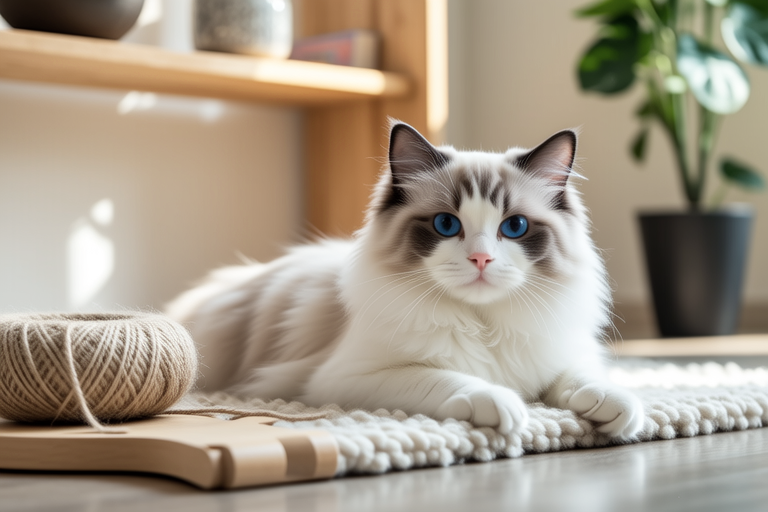
Ragdoll Cat Care Guide: Tips for Raising the Fluffy, Affectionate Feline at Home
Introduction to Ragdoll Cats
Welcome to the world of Ragdoll cats! Known for their stunning blue eyes, luxurious coats, and docile nature, Ragdolls are one of the most popular cat breeds among cat lovers. These gentle giants love to be cuddled and will often go limp like a rag doll when picked up, hence their name. This guide will help you understand the unique needs and characteristics of Ragdolls, ensuring you provide them with the best care possible.
Basic Care Needs
Housing
Ragdolls thrive in comfortable, warm, and cozy environments. Ensure your home is safe and secure, with no toxic plants or dangerous items that could harm your cat. Provide a variety of resting places, such as soft beds, shelves, and window perches, to allow your Ragdoll to explore and feel at ease.
Toys and Playtime
Interactive toys are essential for keeping your Ragdoll mentally stimulated and physically active. Consider toys that encourage hunting instincts, such as feather wands or laser pointers. Rotate toys regularly to maintain your cat’s interest and prevent boredom.
Diet and Nutrition
A balanced diet is crucial for your Ragdoll’s health. Choose high-quality cat food that meets the nutritional requirements of your cat. Consult with your veterinarian to determine the appropriate amount and type of food based on your cat’s age, weight, and activity level. Fresh water should always be available.
Feeding Schedule
Establish a consistent feeding schedule to avoid overeating and promote digestive health. Divide daily food portions into two meals. Monitor your cat’s weight and adjust the portion size accordingly.
Grooming Tips
Coat Care
Ragdolls have semi-longhair coats that require regular brushing to prevent matting and hairballs. Brush your cat at least twice a week, more frequently during shedding seasons. Use a slicker brush to remove loose hair and prevent knots.
Bathing and Nail Trimming
Bathe your Ragdoll as needed, typically every few months, using a cat-safe shampoo. Trim nails regularly to prevent overgrowth and scratching damage. Reward your cat with treats after grooming sessions to create positive associations.
Health Considerations
Vaccinations and Preventive Care
Ensure your Ragdoll receives necessary vaccinations and routine check-ups. Discuss preventive measures with your veterinarian, including flea and tick control, heartworm prevention, and dental care.
Common Health Issues
Ragdolls are generally healthy but may be prone to certain conditions such as hypertrophic cardiomyopathy (HCM), obesity, and urinary tract issues. Early detection and treatment can significantly improve your cat’s quality of life.
Training Methods
Litter Box Training
Ragdolls are intelligent and trainable, making litter box training relatively straightforward. Place the litter box in a quiet, easily accessible area. Encourage your cat to use it by placing a small amount of waste in the box. Clean the litter box regularly to maintain hygiene.
Behavioral Training
Positive reinforcement techniques, such as clicker training and rewards, can be used to teach your Ragdoll desired behaviors. Be patient and consistent, offering treats and praise for good behavior.
Creating a Stimulating Environment
Vertical Space
Ragdolls enjoy climbing and exploring. Provide vertical spaces such as cat trees, shelves, and window perches to satisfy their curiosity and provide exercise opportunities.
Interactive Play
Engage your Ragdoll in interactive play sessions to stimulate both mind and body. Rotate toys to keep your cat interested and challenge their hunting skills.
Building a Strong Bond
Spending Quality Time
Ragdolls are affectionate and enjoy spending time with their human companions. Spend quality time with your cat through petting, playing, and talking. Consistent interaction helps strengthen the bond between you and your cat.
Understanding Your Cat’s Body Language
Learn to recognize your Ragdoll’s body language to understand their emotional state. Signs of happiness include purring, relaxed posture, and gentle head butts. Recognizing stress or discomfort signals can help you address any issues promptly.
Conclusion
Raising a Ragdoll cat is a rewarding experience filled with love and companionship. By understanding their unique needs and providing proper care, you can ensure your Ragdoll leads a happy, healthy life. Embrace the opportunity to build a strong bond with your affectionate feline companion, and cherish the moments shared together.
