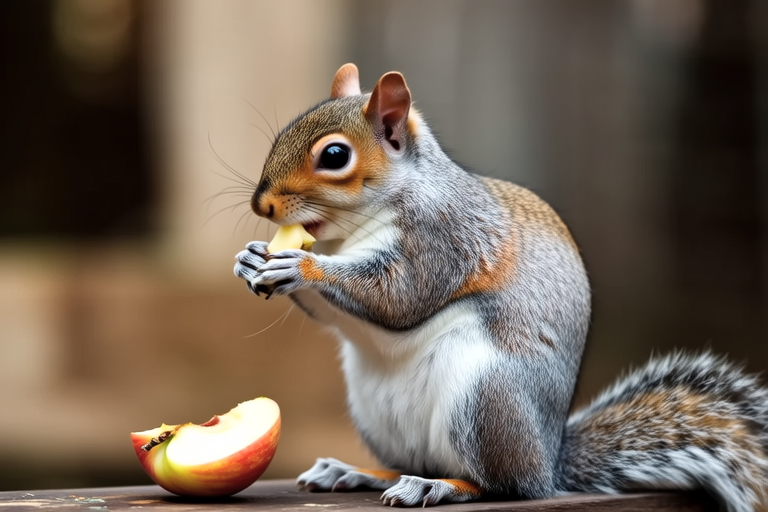
Squeaky Clean Facts: How to Care for Your Pet Squirrel at Home
Welcome to the world of pet squirrel ownership! Caring for a pet squirrel requires a commitment to their well-being, which includes providing them with a safe and enriching environment. This guide will help you understand the essential aspects of housing, diet, healthcare, and enrichment activities for your furry friend. We’ll also cover grooming, cleaning their habitat, and legal considerations. Let’s dive into the wonderful world of pet squirrels.
Choosing the Right Housing for Your Pet Squirrel
Selecting appropriate housing for your pet squirrel is crucial for their comfort and health. Squirrels are active creatures that need ample space to exercise and explore. A cage should be large enough to allow for climbing and jumping. The minimum size recommended for a single squirrel is 3 feet wide by 4 feet deep by 6 feet high. However, if possible, provide even more space.
The cage should have multiple levels with ramps and branches for climbing. Ensure the bars are spaced appropriately so your squirrel cannot squeeze through or get stuck. Choose a cage with a solid bottom rather than wire flooring, as this can cause discomfort or injury to their delicate paws. Providing a variety of toys, such as chew toys and puzzle feeders, will keep your squirrel mentally stimulated and entertained.
It’s important to place the cage in a quiet area away from direct sunlight and drafts. Avoid placing it near windows where there might be a risk of predators, such as birds of prey, seeing your squirrel. Additionally, ensure the temperature remains consistent, as squirrels are sensitive to extreme heat and cold.
Dietary Needs of Your Pet Squirrel
A balanced diet is vital for the health of your pet squirrel. Their diet should primarily consist of a mix of nuts, seeds, fruits, and vegetables. Commercially available squirrel food mixes are a good starting point but should be supplemented with fresh foods. Offer a variety of nuts like almonds, walnuts, and hazelnuts, but avoid peanuts due to potential aflatoxin contamination.
Incorporate a selection of fruits and vegetables into their diet, such as apples, bananas, carrots, and leafy greens. Ensure all foods are fresh and washed thoroughly before feeding. Fresh water should always be available, and it’s a good idea to change it daily. Avoid giving your squirrel processed human foods, as they may contain harmful additives or be too high in sugar.
Feeding times should be regular, typically twice a day. Monitor their eating habits and adjust portion sizes accordingly. Overfeeding can lead to obesity, while underfeeding can result in malnutrition. Always consult with a veterinarian who specializes in exotic pets for specific dietary recommendations based on your squirrel’s age, breed, and overall health.
Healthcare and Veterinary Care for Your Pet Squirrel
Regular veterinary check-ups are essential for maintaining your squirrel’s health. Find a veterinarian experienced in treating exotic animals, as they will have the necessary knowledge and equipment. During these visits, discuss any concerns you may have regarding your squirrel’s behavior, appetite, or physical condition.
Vaccinations are generally not required for pet squirrels, but it’s still important to keep up with routine health checks. Parasite control is another aspect of healthcare to consider. Fleas, ticks, and mites can pose a threat to your squirrel’s health. Use products specifically designed for small animals, and always consult with your veterinarian before applying any treatments.
Common health issues in pet squirrels include dental problems, respiratory infections, and gastrointestinal disorders. Signs of illness may include lethargy, loss of appetite, difficulty breathing, or changes in stool consistency. If you notice any of these symptoms, contact your veterinarian immediately.
Enrichment Activities for Your Pet Squirrel
Providing enrichment activities is key to keeping your pet squirrel happy and healthy. Squirrels are intelligent and curious animals that thrive on mental stimulation. Rotate toys regularly to prevent boredom and encourage exploration. Puzzle feeders, treat-dispensing toys, and foraging activities can challenge their minds and keep them engaged.
Supervised playtime outside of the cage is another excellent way to enrich your squirrel’s life. Create a safe play area within your home, ensuring there are no hazards like open windows or toxic plants. Supervise closely during playtime to prevent accidents. Additionally, spend time interacting with your squirrel, as social interaction is crucial for their emotional well-being.
Grooming and Cleaning Your Pet Squirrel’s Habitat
Grooming your pet squirrel is an essential part of their care routine. Regular brushing helps remove loose fur and prevent matting. Use a soft-bristled brush designed for small animals. Pay special attention to areas prone to matting, such as behind the ears and under the tail. Nail trimming may also be necessary if your squirrel’s nails become too long. Consult with your veterinarian or a professional groomer for proper technique.
Cleaning your squirrel’s habitat is equally important for maintaining hygiene and preventing disease. Remove waste and uneaten food daily. Spot clean the cage weekly, scrubbing surfaces with a mild disinfectant solution. Deep clean the entire cage every few weeks, removing all bedding and accessories for thorough cleaning. Allow the cage to dry completely before replacing bedding and toys.
Safety Tips for Pet Squirrel Owners
Safety is paramount when caring for a pet squirrel. Ensure all electrical cords are secured and out of reach, as squirrels are notorious for chewing. Keep household chemicals and toxic plants out of their environment. Establish a safe play area free from potential hazards like sharp objects or small items that could be swallowed.
Supervise your squirrel at all times when they are outside of their cage. Even in a secure room, there are numerous risks that could harm your pet. Install window guards if your home has accessible windows, and consider covering doorways with barriers to prevent escape. Teaching your squirrel basic commands can also enhance safety, allowing you to control their movements.
Legal Considerations for Pet Squirrel Ownership
Before bringing a pet squirrel into your home, research local laws and regulations. Some regions prohibit or heavily restrict the ownership of certain exotic animals, including squirrels. Obtain any necessary permits or licenses and ensure you comply with all legal requirements. Failure to do so could result in fines or the confiscation of your pet.
Check with local wildlife authorities about reintroducing a pet squirrel back into the wild if circumstances require it. Releasing a pet squirrel into the wild can disrupt ecosystems and endanger both the animal and native wildlife. Instead, work with reputable sanctuaries or rescue organizations to find a suitable placement.
The Importance of Social Interaction for Your Pet Squirrel
Social interaction plays a significant role in the well-being of your pet squirrel. Spend quality time with your squirrel each day, offering affection and engaging in play. Positive reinforcement training can strengthen the bond between you and your pet, making interactions enjoyable for both of you.
Consider introducing another squirrel as a companion if you have the space and resources. Squirrels are social animals that often benefit from having a buddy. Introductions should be done gradually and carefully to ensure compatibility. Monitor their interactions closely and separate them if signs of aggression or stress arise.
Conclusion
Caring for a pet squirrel is a rewarding experience filled with joy and challenges. By providing proper housing, nutrition, healthcare, and enrichment, you can ensure your squirrel lives a happy and healthy life. Remember to prioritize safety, follow legal guidelines, and foster strong social bonds. With dedication and love, you’ll create a nurturing environment where your pet squirrel can thrive.
