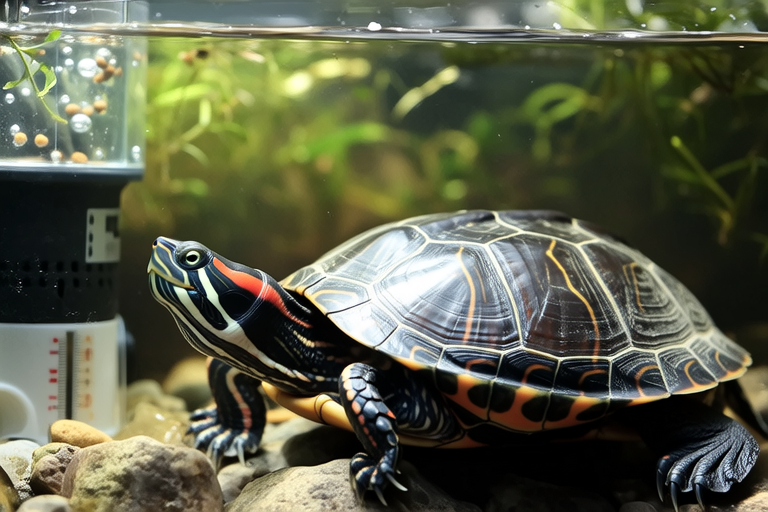
Red-Eared Slider Care: A Beginner’s Guide to Keeping These Shelled Pets Happy
Welcome to the wonderful world of red-eared slider turtles! These charismatic reptiles make great pets for those who are prepared to take on the responsibility of caring for them properly. Red-eared sliders require specific care needs to ensure they live long, healthy lives. This guide will walk you through everything you need to know about setting up their habitat, feeding them appropriately, providing healthcare, handling them safely, and choosing healthy juveniles. Let’s dive in!
Understanding the Long-Term Commitment
Before bringing home a red-eared slider, it’s crucial to understand that these turtles can live for 20 to 40 years or more. They grow quickly and reach adult sizes of around 8 to 12 inches in length. Therefore, it’s important to be prepared for a long-term commitment. Proper care involves providing the right environment, diet, and medical attention throughout their lifespan.
Habitat Setup
Tank Size
Red-eared sliders need ample space to swim and bask. As a general rule, each inch of shell length requires one gallon of water. For example, an adult slider with a 10-inch shell would need at least 10 gallons of water. However, this is just a minimum. It’s recommended to provide even more space for comfort and health. A 40-gallon tank is a good starting point for young sliders, but larger tanks, such as 75 gallons or more, are ideal for adults.
Filtration
Proper filtration is vital to maintain clean water. Turtles produce waste that can lead to harmful ammonia levels if not removed promptly. Choose a powerful filter that matches your tank size and provides mechanical, biological, and chemical filtration. Regular maintenance, including weekly water changes and filter cleaning, is necessary to keep the water quality high.
Lighting
Red-eared sliders require UVB light to synthesize vitamin D3, which is essential for calcium absorption and bone health. Invest in a high-quality UVB lamp designed for reptiles, and place it over the basking area. The UVB bulb should cover at least 50% of the tank’s surface and be replaced every six months, as UV output diminishes over time. Additionally, provide a heat lamp to maintain the basking spot at 90 to 95 degrees Fahrenheit.
Temperature
Maintaining the correct water and air temperatures is crucial. The water temperature should range between 75 and 80 degrees Fahrenheit, while the basking area should be 90 to 95 degrees Fahrenheit. Use submersible heaters to regulate water temperature and a thermometer to monitor both water and air temperatures accurately.
Diet and Feeding
A balanced diet is key to your turtle’s health. Feed a variety of foods to ensure they receive all necessary nutrients. Offer commercial turtle pellets, dark leafy greens, and occasional treats like earthworms, crickets, and feeder fish. Juveniles should be fed daily, while adults can be fed every other day. Avoid overfeeding, as excess food can pollute the water and harm your turtle’s health.
Health Care Basics
Regular health checks are essential. Look for signs of illness, such as lethargy, swollen eyes, or abnormal swimming behavior. Keep the enclosure clean and monitor water quality closely. Schedule annual veterinary checkups with a reptile-savvy veterinarian. Common issues include respiratory infections, shell rot, and metabolic bone disease. Early intervention is critical for successful treatment.
Handling Tips
Handle your turtle gently and infrequently to minimize stress. Always support their body, especially their shell, when lifting them out of the water. Wash your hands before and after handling to prevent the spread of bacteria. Avoid handling sick turtles, as this can exacerbate their condition.
Common Myths Debunked
Myth: Red-Eared Sliders Can Be Kept in Small Bowls
This is a misconception. Red-eared sliders need adequate space to swim and bask. Keeping them in small containers leads to poor water quality and stunted growth. Provide a spacious tank with proper filtration and basking areas.
Myth: Red-Eared Sliders Can Live in Cold Water
Red-eared sliders are semi-aquatic turtles that require warm water and air temperatures. Cold water can lead to hypothermia and other health issues. Ensure the water stays within the recommended temperature range.
Myth: Red-Eared Sliders Don’t Need UVB Light
UVB light is essential for vitamin D3 synthesis and overall health. Without it, turtles may develop metabolic bone disease. Always provide a reliable UVB source.
Advice for Choosing Healthy Juveniles
When selecting a red-eared slider, look for active, alert turtles with clear eyes, smooth shells, and no signs of injury or disease. Check for proper weight and muscle tone. Avoid turtles with sunken eyes, dull shells, or lethargic behavior. Ask the breeder or pet store staff about the turtle’s history and any potential health concerns.
Conclusion
Caring for red-eared sliders is a rewarding experience, but it requires dedication and knowledge. By setting up a proper habitat, providing a balanced diet, monitoring health, and handling them gently, you can ensure your turtle lives a long and happy life. Remember, this is a long-term commitment, so be prepared to provide consistent care throughout their lifetime. With the right care, your red-eared slider will become a beloved member of your family.
