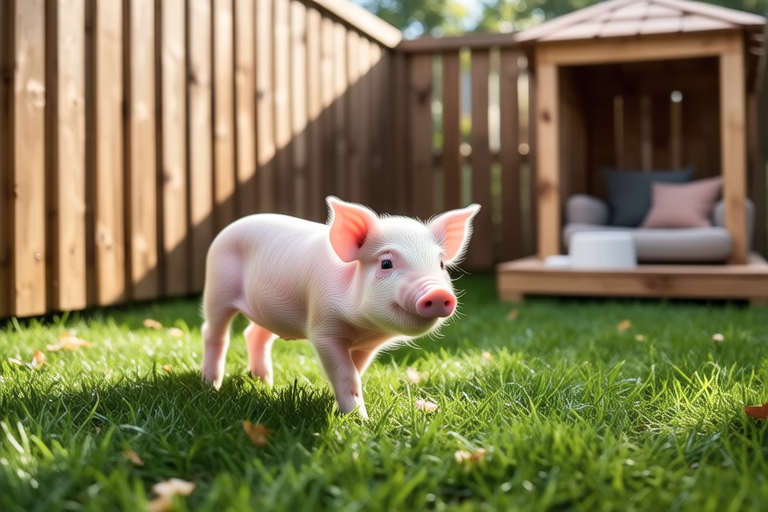
Comprehensive Guide to Designing Suitable Living Spaces for Mini Pigs
Welcome to this comprehensive guide on designing suitable living spaces for mini pigs. As a responsible pet owner, creating an ideal habitat for your mini pig is crucial for its health, happiness, and overall well-being. This guide will cover essential factors to consider when setting up their home environment, including size requirements, bedding options, temperature control, safety measures, and enrichment activities. We’ll also discuss furniture selection, flooring types, space organization, regular cleaning and maintenance, and how to adapt living spaces for different climates and seasons.
Understanding Mini Pig Needs
Mini pigs are intelligent, social animals that require spacious, clean, and stimulating environments. They need enough room to move around freely, explore, and engage in natural behaviors. Proper housing ensures their physical and mental health, promotes healthy growth, and strengthens the bond between you and your pet.
Size Requirements
The size of your mini pig’s living space depends on its age, breed, and expected adult size. A good rule of thumb is to provide at least 4 square feet per 25 pounds of body weight. For example, a 50-pound mini pig needs about 8 square feet of living space. However, larger spaces are always better, as they allow more freedom and reduce stress.
Consider the following:
- Living area: Provide ample space for your mini pig to move around, play, and rest.
- Sleeping area: Create a cozy, quiet corner where your pig can sleep undisturbed.
- Toilet area: Designate a specific spot for your pig to eliminate waste, preventing accidents and odors.
Remember, mini pigs are highly active and curious creatures. Providing plenty of space encourages exercise, reduces boredom, and prevents behavioral issues like chewing or digging.
Bedding Options
Selecting appropriate bedding for your mini pig is vital for its comfort and hygiene. Consider the following bedding options:
- Straw: Straw is an excellent choice for mini pigs due to its softness, absorbency, and natural insulation properties. It provides warmth during colder months and keeps the sleeping area dry and clean. Replace straw regularly to prevent bacterial growth and odor.
- Fleece: Fleece is another popular option for mini pig bedding. It’s easy to clean, hypoallergenic, and provides warmth without the risk of ingestion. Ensure the fleece is free from loose threads and doesn’t trap moisture, leading to skin irritation.
- Paper towels: Paper towels are a safe and hygienic alternative for mini pigs. They’re absorbent, easy to replace, and don’t pose any choking hazards. However, paper towels may not be as durable as other bedding options and can tear easily.
- Shavings: Shavings, such as pine or aspen, can be used as bedding but must be chosen carefully. Avoid cedar shavings, as they contain aromatic oils that may irritate your pig’s respiratory system. Opt for untreated, dust-free shavings instead.
Regardless of the bedding material you choose, ensure it’s clean, dry, and free from contaminants. Regularly replace or clean bedding to maintain hygiene and prevent health issues.
Temperature Control
Mini pigs are sensitive to extreme temperatures and require proper temperature control in their living spaces. Keep the following factors in mind:
- Aim for a comfortable temperature range of 65°F to 75°F (18°C to 24°C).
- Provide extra warmth during colder months by adding additional bedding or using heated mats designed specifically for pets.
- In summer, offer shade, fans, or air conditioning to prevent overheating.
- Ensure your mini pig has access to fresh water at all times, especially during hot weather.
Monitor your pig’s behavior and body language to determine if it’s too hot or cold. Signs of discomfort include excessive panting, lethargy, or shivering. Adjust the temperature accordingly to keep your pig comfortable.
Safety Measures
Your mini pig’s living space should be safe, secure, and free from hazards. Consider the following safety measures:
- Secure fencing: Install sturdy, pig-proof fencing around your pig’s living area to prevent escapes and protect them from predators.
- Non-toxic materials: Use non-toxic paints, varnishes, and sealants when constructing or decorating your pig’s living space.
- Safe flooring: Choose flooring materials that are slip-resistant, easy to clean, and free from sharp edges or protrusions.
- Guard against choking hazards: Remove small objects, cords, or items that could pose a choking hazard from your pig’s living space.
- Protective barriers: Install protective barriers around heat sources, electrical outlets, and other potentially dangerous areas.
Regularly inspect your pig’s living space for potential hazards and address any issues promptly. This proactive approach helps ensure your pig’s safety and well-being.
Enrichment Activities
Enrichment activities are essential for keeping your mini pig mentally stimulated and physically active. Incorporate the following activities into your pig’s daily routine:
- Foraging: Hide treats or food in various locations within your pig’s living space to encourage foraging behavior.
- Chew toys: Provide safe, durable chew toys to satisfy your pig’s natural urge to chew and promote dental health.
- Interactive games: Engage your pig in interactive games, such as hide-and-seek or fetch, to strengthen your bond and stimulate its mind.
- Exploration: Allow your pig to explore new environments under supervision, providing opportunities for sensory stimulation and learning.
- Training: Teach your pig basic commands and tricks through positive reinforcement training, promoting mental stimulation and obedience.
Rotate enrichment activities regularly to prevent boredom and keep your pig engaged. A mentally stimulated pig is less likely to develop behavioral issues and more likely to enjoy life to the fullest.
Furniture Selection
Choosing the right furniture for your mini pig’s living space is essential for comfort, support, and aesthetics. Consider the following:
- Platforms: Provide platforms or raised areas where your pig can rest or observe its surroundings. Ensure platforms are stable, non-slip, and easy to clean.
- Resting spots: Offer cozy resting spots, such as hammocks or elevated beds, for your pig to relax and sleep comfortably.
- Gates: Install gates or barriers to separate different areas within your pig’s living space, ensuring privacy and safety.
- Tables: Place tables or benches at appropriate heights for your pig to interact with, providing opportunities for socialization and play.
Select furniture made from durable, non-toxic materials that are easy to clean and maintain. Avoid furniture with sharp edges, small parts, or toxic finishes.
Flooring Types
Selecting the appropriate flooring for your mini pig’s living space is crucial for comfort, hygiene, and safety. Consider the following flooring options:
- Ceramic tiles: Ceramic tiles are durable, easy to clean, and resistant to bacteria and mold. They provide a cool surface during warmer months and are slip-resistant when wet.
- Vinyl flooring: Vinyl flooring is affordable, versatile, and easy to install. It’s available in various colors and patterns, allowing you to create a visually appealing living space for your pig.
- Wood flooring: Wood flooring provides a natural, warm aesthetic and is easy to clean. However, it requires regular maintenance to prevent warping, cracking, or splintering.
- Gravel: Gravel is an excellent option for outdoor living spaces, providing drainage and reducing mud buildup. However, it may be uncomfortable for your pig’s feet and requires regular maintenance to prevent sharp edges.
Regardless of the flooring material you choose, ensure it’s slip-resistant, easy to clean, and free from contaminants. Regularly inspect and maintain flooring to prevent damage and ensure your pig’s safety.
Space Organization
Organizing your mini pig’s living space efficiently maximizes available space and creates a functional, inviting environment. Consider the following tips:
- Designate areas: Clearly define different areas within your pig’s living space, such as sleeping, eating, and playing areas. This organization helps reduce clutter and promotes a sense of order.
- Vertical space: Utilize vertical space by installing shelves, platforms, or hanging toys. This approach maximizes available space and provides additional stimulation for your pig.
- Storage solutions: Implement storage solutions, such as bins, baskets, or cabinets, to keep supplies organized and out of sight. This organization helps maintain cleanliness and reduces visual clutter.
- Flexible furniture: Choose furniture that can be easily rearranged or repurposed to accommodate changing needs and preferences. This flexibility allows you to adjust your pig’s living space as needed.
By organizing your mini pig’s living space effectively, you create a harmonious environment that supports its physical and mental well-being.
Regular Cleaning and Maintenance
Maintaining a clean and hygienic living space is essential for your mini pig’s health and longevity. Follow these tips for regular cleaning and maintenance:
- Daily cleaning: Remove soiled bedding, uneaten food, and waste daily to prevent odors and bacterial growth.
- Weekly deep cleaning: Thoroughly clean and disinfect your pig’s living space weekly, paying special attention to high-traffic areas and surfaces.
- Monthly inspections: Conduct monthly inspections to check for signs of wear, damage, or contamination. Address any issues promptly to prevent further problems.
- Sanitization: Sanitize all surfaces and equipment regularly to kill harmful bacteria and viruses. Use pet-safe disinfectants and follow manufacturer instructions carefully.
Consistent cleaning and maintenance help prevent health issues, reduce odors, and create a pleasant living environment for both you and your pig.
Adapting Living Spaces for Different Climates and Seasons
Adapting your mini pig’s living space for different climates and seasons ensures its comfort and well-being year-round. Consider the following:
- Cold weather: Provide extra warmth during colder months by adding additional bedding, heated mats, or draft-proofing techniques. Ensure your pig has access to fresh water and shade during winter.
- Hot weather: Offer shade, fans, or air conditioning to prevent overheating during summer. Provide cool, refreshing water and limit outdoor activity during peak heat hours.
- Rainy days: Protect your pig from rain by covering its living space or providing sheltered areas. Ensure proper drainage to prevent standing water and mud buildup.
- Seasonal changes: Adjust your pig’s living space as needed throughout the year, addressing any seasonal challenges or opportunities. This proactive approach helps ensure your pig’s comfort and well-being.
By adapting your mini pig’s living space for different climates and seasons, you create a harmonious environment that supports its physical and mental well-being.
Conclusion
Creating a suitable living space for your mini pig is a rewarding endeavor that enhances its quality of life and strengthens your bond. By considering essential factors such as size requirements, bedding options, temperature control, safety measures, and enrichment activities, you provide a comfortable, stimulating habitat for your pig. Proper furniture selection, flooring types, space organization, regular cleaning and maintenance, and adapting living spaces for different climates and seasons further contribute to your pig’s health and happiness. With careful planning and attention to detail, you can design a living space that meets your mini pig’s unique needs and promotes a joyful, fulfilling life.
