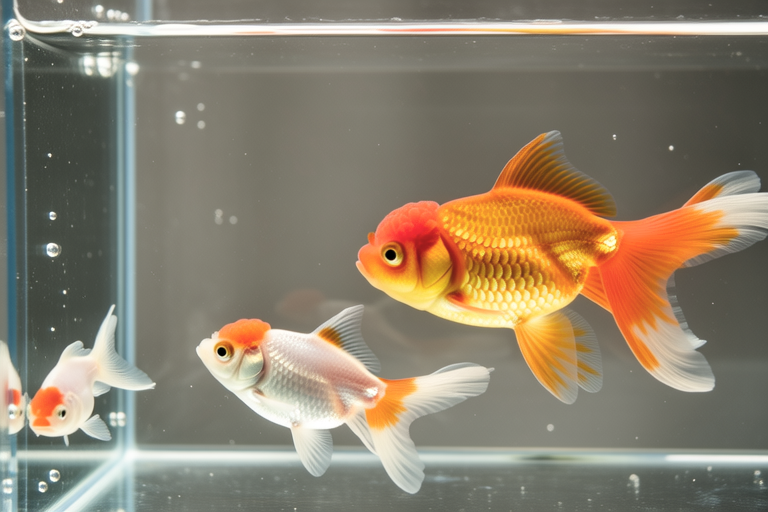
From Baby to Adult: The Complete Growth Journey of a Goldfish
Welcome to the fascinating world of goldfish! These delightful creatures have captivated aquarium enthusiasts for centuries with their vibrant colors and graceful movements. Understanding the complete growth journey from a tiny fry to a full-grown adult is essential for providing optimal care and ensuring your goldfish lives a long and healthy life. This article will guide you through each stage of a goldfish’s development, offering insights into dietary needs, necessary tank conditions, common health issues, and tips for enhancing longevity.
The Fry Stage: A Delicate Beginning
The journey begins when goldfish eggs hatch, revealing small, translucent larvae known as fry. At this stage, the fry are extremely vulnerable and require careful attention. They measure less than half an inch in length and are equipped with yolk sacs that provide initial nutrition. Over the next few days, these sacs absorb, and the fry must start feeding on microscopic organisms like infusoria or commercially available fry food.
During this critical period, maintaining clean water is paramount. Frequent water changes (around 20% every other day) help prevent the accumulation of harmful substances and ensure optimal oxygen levels. The tank should be kept at a temperature between 68°F and 74°F (20°C and 23°C), which promotes healthy growth and development. Additionally, the tank should be well-lit but not exposed to direct sunlight, which can lead to excessive algae growth and overheating.
Growth into Juvenile Goldfish
As the fry grow into juveniles, they become more robust and develop distinct features. By the time they reach one month old, they are about an inch long and have developed fins and tails. Their coloration starts to become more pronounced, although it may still change over time. At this stage, the diet can be expanded to include finely ground flakes and pellets designed for juvenile fish.
Proper tank conditions remain crucial during this phase. Juvenile goldfish need ample swimming space, so a tank of at least 10 gallons is recommended for the first few months. As they grow, they will require larger tanks, eventually needing 20 gallons or more per fish. Regular water changes (about 25% weekly) help maintain water quality and reduce the risk of diseases. Filters should be used to keep the water clean, but they should not create strong currents that could stress the fish.
The Adolescent Stage: Developing Personalities
Adolescence marks the transition from juvenile to adult. During this period, goldfish continue to grow rapidly and develop their unique personalities. By six months of age, most goldfish are around four inches long and are sexually mature. Their coloring becomes fully established, and their fin structures are well-defined. At this point, they can be fed a varied diet that includes high-quality flake food, sinking pellets, and occasional treats like brine shrimp or daphnia.
Adequate space and enrichment are vital for adolescent goldfish. They need plenty of room to swim and explore, and adding plants, rocks, and decorations can stimulate their natural behaviors. Water parameters should be monitored regularly to ensure pH levels stay between 6.5 and 8.0, ammonia and nitrite levels are undetectable, and nitrate levels are kept below 40 ppm. Regular water changes (approximately 25-50% monthly) help maintain these parameters.
Adult Goldfish: Maturity and Longevity
When goldfish reach adulthood, typically around one year of age, they have reached their full size, which can range from 6 to 12 inches depending on the breed. At this stage, they are hardy and resilient but still require attentive care. Adult goldfish benefit from a balanced diet that includes protein-rich foods like bloodworms and tubifex worms, along with vegetables such as zucchini and peas. Feeding should be done twice daily, but only what the fish can consume within a few minutes to prevent overfeeding.
Adult goldfish thrive in spacious tanks that provide ample swimming room and hiding spots. A minimum of 20 gallons per fish is recommended, with additional space for larger breeds. Water quality remains critical, and regular maintenance is necessary to prevent health issues. Filters should be cleaned regularly, and water changes should be conducted monthly to remove accumulated waste and maintain a stable environment.
Nutritional Needs Throughout the Lifecycle
Diet plays a significant role in the health and longevity of goldfish. From infancy to adulthood, their nutritional requirements evolve:
- Fry: Infusoria or commercial fry food until they can eat regular fish food.
- Juveniles: Finely ground flakes and pellets.
- Adolescents: High-quality flake food, sinking pellets, and occasional treats.
- Adults: Protein-rich foods, vegetables, and a varied diet to meet their nutritional needs.
Overfeeding should be avoided at all stages, as it leads to obesity and digestive problems. Providing a balanced diet ensures proper growth, vibrant coloration, and overall health.
Tank Conditions for Optimal Growth
Creating an ideal habitat is essential for goldfish at every stage of their life:
- Water Quality: Regular water changes, filtration, and monitoring of pH, ammonia, nitrite, and nitrate levels.
- Temperature: Maintaining a consistent temperature between 68°F and 74°F (20°C and 23°C).
- Space: Gradually increasing tank size as the fish grow.
- Decorations: Adding plants, rocks, and hiding spots to enrich their environment.
By providing a suitable habitat, you promote healthy growth and minimize stress-related illnesses.
Common Health Issues and Prevention
Goldfish are generally hardy, but they can suffer from various health issues if not cared for properly. Some common ailments include:
- Fin Rot: Caused by poor water quality, leading to frayed or disintegrating fins. Keeping water clean and avoiding overcrowding can prevent this condition.
- Ich: A parasitic infection that appears as white spots on the fish’s body. Increasing water temperature to 80°F (27°C) for a few days can help eliminate ich.
- Constipation: Often caused by overfeeding, leading to bloated appearance. Offering vegetables and fasting occasionally can alleviate constipation.
Regular observation and prompt treatment are key to addressing health issues before they become severe.
Tips for Ensuring Longevity
To maximize the lifespan of your goldfish, consider the following tips:
- Consistent Care: Regular water changes, monitoring water parameters, and maintaining a clean environment.
- Proper Diet: Providing a balanced diet tailored to each stage of development.
- Stress Reduction: Avoiding sudden changes in water parameters and ensuring adequate space and hiding spots.
- Veterinary Care: Consulting a veterinarian specializing in aquatic animals for any health concerns.
With attentive care, goldfish can live up to 10 years or more, making them cherished companions for many years.
Conclusion
The journey from baby to adult goldfish is a remarkable transformation filled with beauty and responsibility. By understanding the stages of growth, dietary needs, necessary tank conditions, and common health issues, you can provide your goldfish with the best possible care. Embracing these insights ensures a long and healthy life for your aquatic friend, rewarding you with years of enjoyment and companionship. Whether you’re a novice or an experienced aquarist, nurturing a goldfish through its lifecycle is a fulfilling and enriching experience.
