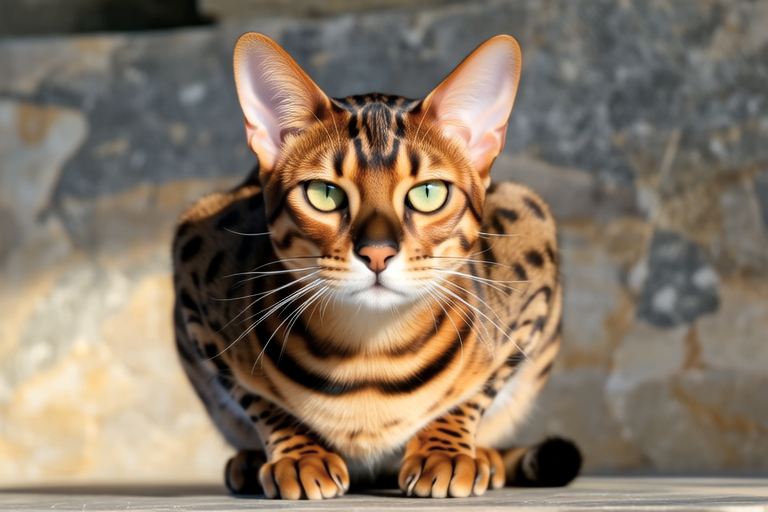
Bengal Cats: The Secret Behind Their Wild Appearance and Gentle Nature
Introduction
The Bengal cat is an extraordinary breed that captivates many with its striking resemblance to leopards. These felines boast a coat pattern that mimics the spots and rosettes of their wild counterparts, making them stand out among other domestic breeds. However, what truly sets Bengal cats apart is their gentle nature, which contrasts sharply with their wild appearance. This article delves into the history, physical attributes, health concerns, dietary needs, exercise requirements, and personality traits of Bengal cats, providing insights for both cat enthusiasts and prospective owners.
The Origins of Bengal Cats
The Bengal cat’s story begins in the early 20th century when hybridization between domestic cats and Asian leopard cats (ALCs) first occurred. Selective breeding has been crucial in developing the Bengal breed over several generations. Breeders aimed to create a cat that retained the exotic beauty of its wild ancestors but possessed a temperament suitable for domestic life. By carefully selecting individuals with desirable traits, such as a friendly disposition and strong bond with humans, breeders have successfully maintained the Bengal’s wild appearance while tempering its natural instincts.
Physical Characteristics
Bengal cats are medium to large-sized animals with muscular builds, reflecting their wild ancestry. Their coats feature distinctive markings – either marbled or spotted – against backgrounds ranging from light brown to golden or even silver. One notable characteristic is their luxurious fur, often described as having a ‘glitter’ effect under certain lighting conditions. This unique feature adds to their allure and contributes significantly to their resemblance to wild leopards.
Common Health Issues
Like all breeds, Bengal cats can be prone to specific health problems. Hypertrophic cardiomyopathy (HCM), a condition affecting heart muscle thickness, is one concern for this breed. Additionally, they may experience patellar luxation, where kneecaps dislocate easily. Regular veterinary check-ups help monitor these conditions and ensure early intervention if necessary.
Dietary Needs and Exercise Requirements
Bengal cats require a balanced diet rich in proteins and fats, similar to those found in their natural prey. High-quality commercial cat foods formulated specifically for active breeds meet most nutritional requirements. However, supplementing their diet with fresh meat can enhance their overall health and well-being.
Exercise plays a vital role in keeping Bengal cats healthy and happy. Their playful nature means they thrive on interactive games and mental stimulation. Providing climbing structures, puzzle toys, and scratching posts encourages physical activity while preventing destructive behaviors like excessive chewing or clawing at furniture.
Personality Traits
Despite their intimidating appearance, Bengal cats are known for being affectionate, intelligent, and highly social companions. They enjoy interacting with their owners through play and conversation, often following family members around the house. Their curiosity leads them to investigate new objects and environments, making them excellent problem solvers. However, Bengals also appreciate quiet moments and will curl up beside you when seeking comfort.
Advice for Potential Owners
For those considering adopting a Bengal cat, it’s essential to understand both their wild heritage and domesticated nature. Provide ample space for exploration and play, ensuring safety measures are in place. Interactive play sessions foster bonding and prevent boredom-related mischief. Training methods based on positive reinforcement encourage good behavior and strengthen the human-animal connection.
Understanding the balance between their wild instincts and domesticated tendencies helps create harmonious living arrangements. With proper care, attention, and understanding, Bengal cats can become cherished members of any household.
