How to Groom and Care for Your Lovable Dutch Dwarf Rabbit
Introduction to Dutch Dwarf Rabbits
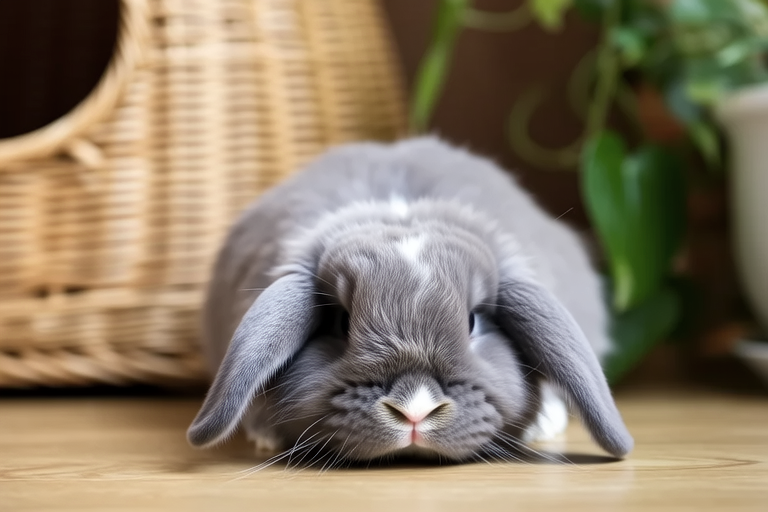
Dutch Dwarf rabbits are one of the smallest breeds of domestic rabbits, weighing between 1.5 to 2.5 pounds. Their compact size, combined with their friendly and docile temperament, makes them an ideal pet for families and individuals alike. Dutch Dwarfs have short, dense coats that come in a variety of colors, adding to their charm. Their signature white blaze on the face, along with contrasting eye circles, is a hallmark of this breed. These rabbits are intelligent and playful, making them a delightful companion.
Essential Grooming Tools Needed for Their Care
To ensure your Dutch Dwarf rabbit remains healthy and comfortable, you’ll need several essential grooming tools:
- A soft-bristled brush: Ideal for removing loose hair and preventing matting.
- Nail clippers or guillotine-style nail trimmers: Necessary for maintaining healthy nails.
- Toothbrush: Useful for cleaning around the ears and under the chin.
- Flea comb: To check for parasites and remove any debris.
- Bathing supplies: A small tub, gentle shampoo, and towels.
Step-by-Step Instructions on How to Groom Them
Brushing
Brushing your Dutch Dwarf rabbit regularly is crucial to prevent matting and keep their coat shiny. Choose a soft-bristled brush and gently stroke it over their fur in the direction of hair growth. Pay special attention to areas prone to matting, such as behind the ears and under the belly. Brushing also helps distribute natural oils throughout the coat, enhancing its condition.
Nail Trimming
Nail trimming should be done every few weeks to prevent overgrowth and potential injury. Use nail clippers or guillotine-style trimmers designed for small animals. Hold your rabbit securely but gently, and trim only the tip of the nail, avoiding the quick, which contains blood vessels and nerves. If you accidentally cut into the quick, apply styptic powder to stop the bleeding.
Bathing
Bathing your Dutch Dwarf rabbit is generally unnecessary, as they are clean animals and grooming themselves. However, if your rabbit gets particularly dirty or has a skin condition, a bath may be necessary. Fill a small tub with warm water and a gentle, pH-balanced shampoo. Wet your rabbit thoroughly, lather gently, and rinse completely. Wrap your rabbit in a towel and dry them off. Provide extra attention and comfort during and after the bath to help them feel secure.
Tips on Maintaining Their Diet and Ensuring Proper Nutrition
Dutch Dwarf rabbits thrive on a balanced diet rich in fiber, vitamins, and minerals. Offer unlimited access to fresh hay, such as timothy or orchard grass, as it aids digestion and promotes dental health. Provide a high-quality rabbit pellet to supplement their diet, ensuring it contains no more than 18% protein. Fresh vegetables, such as carrots, spinach, and kale, can be given in moderation. Always provide clean, fresh water, either in a sipper bottle or a heavy-bottomed dish.
Information on Housing, Including Ideal Cage Size and Bedding Choices
Your Dutch Dwarf rabbit needs a safe, comfortable living space. An indoor cage measuring at least 24 inches wide, 36 inches long, and 24 inches tall is recommended. The cage should have solid flooring to prevent injuries from wire mesh. Provide a cozy sleeping area with a box or tunnel lined with soft, absorbent bedding, such as shredded paper or recycled newspaper products. Avoid pine or cedar shavings, as they can cause respiratory issues.
Advice on Exercise and Playtime to Keep Them Healthy and Happy
Dutch Dwarf rabbits require daily exercise to maintain physical and mental well-being. Allow them supervised time outside their cage each day, providing tunnels, toys, and chew sticks to stimulate their minds. Rotate toys periodically to keep them interested. Ensure the play area is safe, free from toxic plants and small objects they could ingest. Exercise also helps prevent obesity and promotes a healthy digestive system.
Common Health Issues and Signs of Illness to Watch Out For
Like all pets, Dutch Dwarf rabbits are susceptible to certain health issues. Common problems include dental disease, gastrointestinal stasis, and respiratory infections. Signs of illness include lethargy, loss of appetite, changes in stool consistency, discharge from the nose or eyes, and difficulty breathing. Regular veterinary check-ups are vital for early detection and treatment of these conditions. Always consult a veterinarian if you notice any unusual behavior or symptoms.
Conclusion Summarizing Key Points for Responsible Rabbit Ownership
Owning a Dutch Dwarf rabbit is a rewarding experience filled with joy and companionship. By providing proper grooming, a nutritious diet, adequate housing, and regular exercise, you can ensure your rabbit lives a long, healthy life. Stay vigilant for signs of illness and seek veterinary care when needed. With love, care, and attention, your Dutch Dwarf rabbit will bring countless hours of happiness to your home.
