Distinctive Traits and Behaviors of Siamese Cats
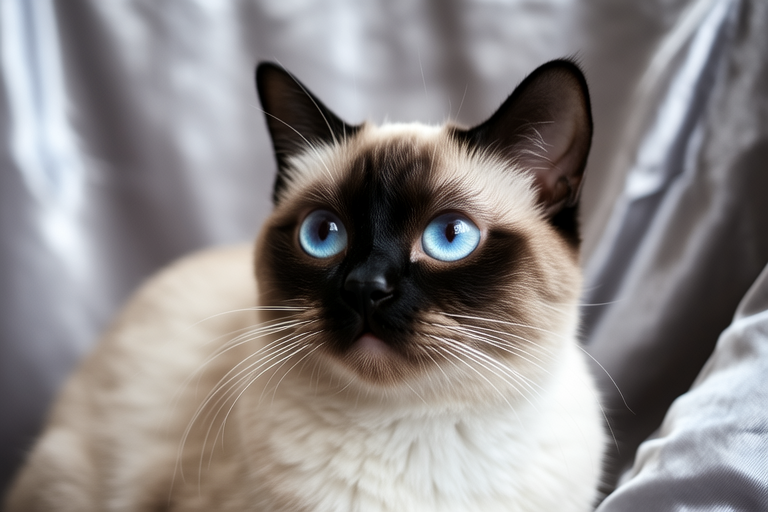
The Siamese cat is one of the most recognizable and popular breeds in the world, known for its striking blue almond-shaped eyes, sleek body, and pointed coat pattern. This breed has a rich history that dates back centuries, and it continues to captivate cat lovers with its distinctive traits and behaviors. In this article, we will explore the unique characteristics of Siamese cats, including their vocal nature, intelligence, loyalty, and social tendencies. We’ll also examine how their history has influenced their personality, discuss common health issues related to their temperament, and provide tips for owners on how to best interact with and care for these special felines.
Historical Background
The Siamese cat has a fascinating history that stretches back to ancient Siam (modern-day Thailand). According to legend, these cats were revered by Thai royalty and were often kept as companions in royal palaces. The first Siamese cats were brought to the Western world in the late 19th century, when they were presented as gifts to British officials stationed in Siam. Their exotic appearance quickly caught the attention of cat fanciers, and the breed soon gained popularity in Europe and North America.
The historical context in which Siamese cats were introduced to the West played a significant role in shaping their reputation. Initially, they were seen as mysterious and enigmatic creatures, which contributed to their allure. However, over time, their vocal nature and strong desire for human interaction became more apparent, leading some people to view them as demanding or even “needy.” Despite this, many cat enthusiasts have come to appreciate the Siamese’s unique personality and have embraced their need for companionship.
Vocal Nature
One of the most distinctive traits of Siamese cats is their vocal nature. These cats are known for being very talkative, often meowing or chirping to communicate with their owners. Scientifically speaking, this behavior can be attributed to their high level of sociability and intelligence. Siamese cats have been shown to possess advanced cognitive abilities, allowing them to form strong bonds with humans and express their needs effectively.
Unlike many other cat breeds, Siamese cats are not afraid to voice their opinions. They may meow persistently if they want attention, food, or simply to engage in conversation. Some owners describe their Siamese cats as “chatty,” often comparing their vocalizations to those of birds or small mammals. This behavior can be endearing to some, but it may also pose challenges for those who prefer quieter pets.
It’s important to note that while Siamese cats are naturally vocal, excessive meowing can sometimes indicate underlying health issues or stress. Owners should monitor their cat’s behavior and consult a veterinarian if they notice any sudden changes in vocalization patterns. Providing plenty of mental stimulation and opportunities for social interaction can help reduce unnecessary vocalizations.
Intelligence and Loyalty
Siamese cats are renowned for their intelligence and loyalty, making them excellent companions for those seeking an interactive pet. Studies have demonstrated that Siamese cats possess advanced problem-solving skills and can learn tricks relatively easily. For example, they may learn to open cabinets or drawers, fetch toys, or even play simple games with their owners.
In addition to their intellectual capabilities, Siamese cats are highly loyal and form deep bonds with their human families. They often follow their owners around the house, seeking out physical contact and attention. Many Siamese cats enjoy sitting on their owner’s lap or lying next to them while they sleep. This level of attachment is uncommon among many other cat breeds, which tend to be more independent.
Siamese cats’ loyalty and intelligence make them ideal candidates for clicker training and other forms of positive reinforcement. Owners can teach their cats various commands and tricks, fostering a strong bond between the two. However, it’s essential to maintain consistency and patience during training sessions, as Siamese cats can become frustrated if they don’t understand what is expected of them.
Social Tendencies
Siamese cats are inherently social animals, thriving in environments where they receive ample attention and interaction. Unlike some cat breeds that prefer solitude, Siamese cats enjoy being part of a family unit and often form close relationships with multiple household members. They are particularly fond of children and can serve as wonderful companions for families with young ones.
Due to their social nature, Siamese cats may experience loneliness or depression if left alone for extended periods. Owners who work long hours or frequently travel should consider adopting another cat or providing additional enrichment activities to keep their Siamese entertained. Interactive toys, puzzle feeders, and scratching posts can help alleviate boredom and promote mental well-being.
When introducing a new Siamese kitten to the home, it’s crucial to allow them time to adjust to their surroundings and establish trust with their human family. Gradually expose the kitten to different sights, sounds, and smells, ensuring they feel safe and secure throughout the process. Once comfortable, Siamese kittens will quickly become confident and outgoing members of the household.
Common Health Issues
While Siamese cats are generally healthy, certain genetic predispositions may increase their risk of developing specific health conditions. One such issue is dental disease, which affects many Siamese cats due to their unique facial structure. The breed’s narrow jawbones can lead to overcrowded teeth, increasing the likelihood of plaque buildup and gum infections.
Another common health concern for Siamese cats is progressive retinal atrophy (PRA), a degenerative eye disorder that can eventually result in blindness. Although there is no cure for PRA, early detection through regular veterinary check-ups can help slow its progression and improve quality of life. Genetic testing is available for some forms of PRA, allowing breeders to make informed decisions about breeding pairs.
Owners should also be aware of potential behavioral issues that may arise from the Siamese’s sensitive nature. Anxiety or stress can manifest as aggression, destructive chewing, or excessive grooming. Creating a calm and predictable environment, along with providing plenty of outlets for physical activity and mental stimulation, can help prevent these problems from occurring.
Tips for Owners
Owning a Siamese cat requires dedication and commitment to meeting their unique needs. Here are some tips for prospective and current owners:
- Provide ample social interaction: Spend quality time with your Siamese cat each day, engaging in playtime, cuddling, or simply talking to them. This will help strengthen your bond and satisfy their need for companionship.
- Offer mental stimulation: Keep your Siamese cat mentally engaged by providing puzzle toys, treat-dispensing gadgets, and interactive games. This will prevent boredom and encourage problem-solving skills.
- Ensure dental hygiene: Brush your Siamese cat’s teeth regularly and schedule routine dental cleanings with your veterinarian. This will help prevent dental disease and maintain overall oral health.
- Monitor eye health: Regularly inspect your Siamese cat’s eyes for signs of irritation or discharge. If you notice any changes in vision or unusual behavior, consult your veterinarian immediately.
- Create a comfortable environment: Provide cozy sleeping spots, scratching posts, and hiding areas to give your Siamese cat a sense of security. This will help them feel at ease in their surroundings.
Comparison with Other Breeds
When compared to other cat breeds, Siamese cats stand out for their vocal nature, intelligence, and loyalty. For example, Maine Coon cats are known for their friendly personalities and love of water, while Persian cats are prized for their luxurious coats and calm demeanor. Both breeds share similarities with Siamese cats in terms of forming strong bonds with their owners, but they differ in their communication styles and physical attributes.
Breeds like the Abyssinian and Bengal also exhibit high levels of intelligence and curiosity, but they tend to be more independent than Siamese cats. These cats may enjoy exploring their surroundings on their own terms, whereas Siamese cats prefer to involve their owners in their adventures. Similarly, Ragdoll cats are famous for their docile nature and tendency to go limp when picked up, contrasting sharply with the energetic and vocal Siamese.
In conclusion, Siamese cats offer a unique combination of traits that set them apart from other breeds. Their vocal nature, intelligence, loyalty, and social tendencies make them exceptional companions for those willing to invest time and effort into building a strong relationship. By understanding their historical background, common health issues, and specific care requirements, owners can ensure that their Siamese cats live happy, healthy lives filled with love and companionship.
