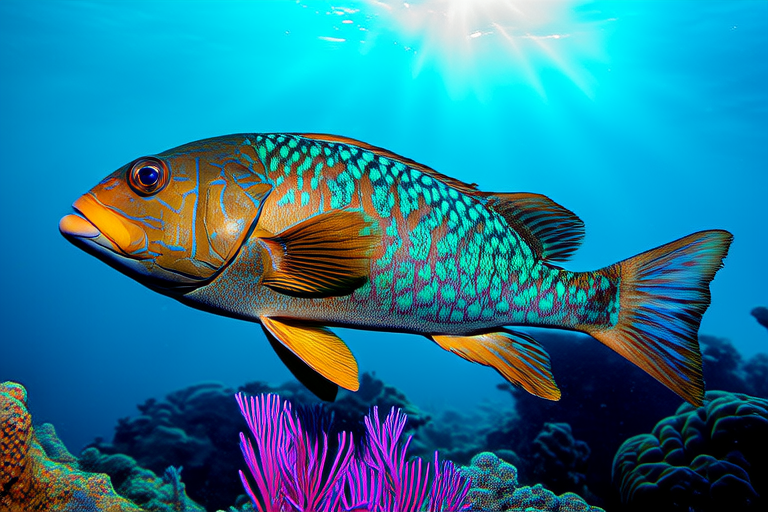
Parrot Fish: Nature’s Most Colorful Underwater Artists
In the vast oceanic tapestry, few creatures stand out as vibrantly and uniquely as the parrot fish. These marine marvels are not just another type of fish; they are nature’s most colorful underwater artists, painting the seascape with their striking hues and dynamic behaviors. Found primarily in tropical and subtropical waters, parrot fish are celebrated for their kaleidoscopic appearances, which range from electric blues and emerald greens to fiery reds and sunny yellows. Their dazzling palette is not merely for aesthetic appeal but also serves crucial functions in their survival and interaction within their ecosystems.
The Role of Parrot Fish in Marine Ecosystems
Parrot fish play a pivotal role in maintaining the health and balance of coral reefs, acting as both architects and custodians. With their beak-like mouths and specialized teeth, they graze on algae that would otherwise smother and kill the coral polyps. This vital function helps keep the reefs clean and healthy, ensuring the survival of the myriad species that depend on them. By controlling algal growth, parrot fish inadvertently support the delicate equilibrium of the reef ecosystem, making them indispensable players in this underwater theater.
Feeding Habits: Grazers of the Sea
The feeding habits of parrot fish are as fascinating as their appearance. They spend much of their day nibbling on algae, which grow rapidly on the surfaces of coral reefs. Using their strong jaws and sharp teeth, these fish can scrape away layers of algae without causing significant damage to the underlying coral. This grazing activity not only provides them with nutrition but also promotes the growth of new coral by preventing overgrowth of algae. The parrot fish’s diet thus contributes significantly to the maintenance of coral reefs, which are essential breeding grounds and shelters for countless marine organisms.
Secretive Sleepers: Mucus Cocoons
When night falls, parrot fish enter a state of rest that is as intriguing as it is protective. Unlike many other marine creatures, parrot fish secrete a mucus cocoon around themselves before sleeping. This transparent, jelly-like substance acts as a barrier against predators and parasites, offering a layer of protection while they rest. Some theories suggest that the mucus may also mask the scent of the fish, making it harder for nocturnal hunters to detect them. This nightly ritual underscores the ingenuity and adaptability of these creatures in their challenging aquatic environment.
Social Behaviors and Communication
Parrot fish are social animals that often gather in schools, especially when they are young. These schools provide safety in numbers, helping to deter potential threats. As they mature, some species become more solitary, though they still maintain complex social structures. Communication among parrot fish is believed to involve a combination of body language, color changes, and possibly sound. Their vibrant colors can signal mood or status, while sudden changes in hue might warn others of danger or indicate readiness to mate. Understanding these subtle cues is key to unraveling the social dynamics of these fascinating fish.
The Importance of Preserving Their Habitats
The preservation of parrot fish habitats is crucial for maintaining biodiversity and the overall health of our oceans. Coral reefs, which serve as homes for parrot fish and countless other species, are under threat due to climate change, pollution, and destructive fishing practices. Protecting these vital ecosystems ensures the continued existence of parrot fish and the vibrant underwater communities they support. By safeguarding their habitats, we not only protect these colorful artists but also ensure the future of the marine world’s rich biodiversity.
In conclusion, parrot fish are not just beautiful additions to the underwater landscape; they are integral to the health and survival of coral reefs. Their vibrant colors, unique behaviors, and critical roles in marine ecosystems make them true treasures of the sea. By appreciating and protecting these creatures, we honor the intricate balance of nature and ensure that future generations can marvel at the wonders of the ocean. Let us strive to preserve the habitats that nurture these colorful artists, so that the ocean’s beauty remains vibrant and alive for years to come.
