Meet the Lovable Lap Cat: The Ultimate Guide to Ragdolls
Welcome to the world of Ragdoll cats, where softness and companionship meet in one irresistibly affectionate feline package. Known for their striking blue eyes, plush coats, and laid-back demeanor, Ragdolls have captured the hearts of cat lovers everywhere. These gentle giants are not just another breed; they are a testament to the bond between humans and animals, embodying loyalty and affection in every purr.
A Brief History of the Ragdoll
The story of the Ragdoll begins in the 1960s in California, where Ann Baker, a breeder of Birman cats, stumbled upon something extraordinary. Her cat Josephine, a white Persian or Angora mix, had kittens with a male Birman. One of these kittens, a male named Daddy Warbucks, was born with a unique trait: when picked up, he would go limp, much like a rag doll. This characteristic became the foundation for what would later be known as the Ragdoll breed.
Baker was so impressed by this trait that she decided to develop it further. She selectively bred these kittens, aiming to enhance their docile nature and physical beauty. Over time, the Ragdoll breed emerged, recognized for its distinctive appearance and gentle disposition. In 1975, the International Cat Association (TICA) recognized the Ragdoll, and today, they are one of the most popular breeds worldwide.
Physical Characteristics
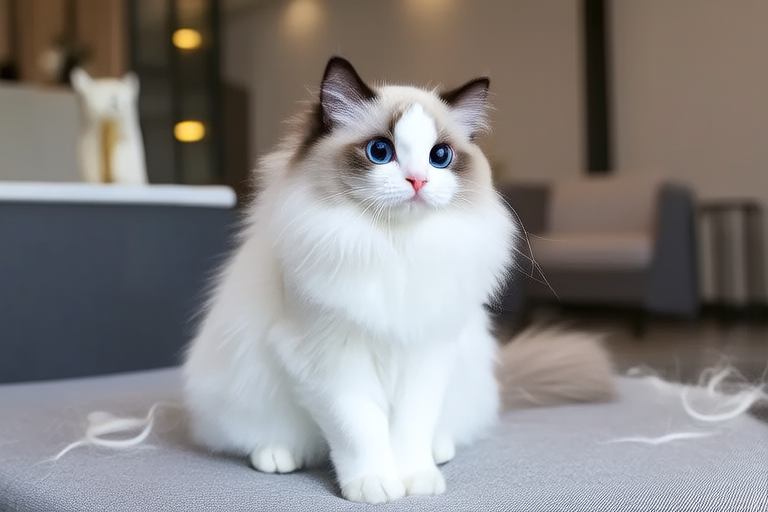
Ragdolls are large, semi-longhaired cats with a robust build. Males can weigh between 12 to 20 pounds, while females typically range from 8 to 15 pounds. Their bodies are muscular yet graceful, with a broad chest and strong legs. Their faces are rounded, complemented by their signature blue almond-shaped eyes, which give them an almost serene expression.
Their coats are their crowning glory, dense and silky, with a tendency to part down the middle. Ragdolls come in six distinct color points: seal, chocolate, blue, lilac, red, and cream. Each point is accented with darker coloring on the face, ears, paws, and tail, creating a stunning contrast against their lighter undercoat.
Temperament
One of the most endearing qualities of Ragdolls is their unparalleled affection. They are often described as “dog-like” due to their tendency to follow their owners around the house and their enthusiasm for being carried. Ragdolls are incredibly social creatures, always seeking out human interaction. They enjoy being petted, brushed, and cuddled, making them perfect lap cats.
Despite their size, Ragdolls are surprisingly agile and playful. They love to play fetch, chase toys, and explore their surroundings. However, their playfulness is balanced with a calm demeanor, making them ideal companions for families and individuals alike. Their patience and gentle nature make them especially well-suited for households with children and other pets.
Care Requirements
Diet and Nutrition
Ragdolls require a balanced diet rich in protein and essential nutrients. High-quality commercial cat food, tailored to their life stage, is recommended. It’s important to monitor their weight to prevent obesity, which can lead to health issues. Consult your veterinarian for specific dietary recommendations based on your Ragdoll’s age, activity level, and overall health.
Grooming
Ragdolls have semi-longhair coats that require regular grooming to maintain their luxurious appearance. Weekly brushing helps remove loose hair, prevents matting, and distributes natural oils throughout the coat. During shedding seasons, more frequent brushing may be necessary. Additionally, keeping their nails trimmed and teeth clean will contribute to their overall well-being.
Veterinary Care
Regular veterinary check-ups are crucial for maintaining your Ragdoll’s health. Vaccinations, parasite control, and routine screenings for common feline diseases should be part of your care routine. Ragdolls are generally healthy, but they can be prone to certain genetic conditions, such as hypertrophic cardiomyopathy, a type of heart disease. Early detection and management can significantly improve their quality of life.
Interaction with Children and Other Pets
Ragdolls are remarkably patient and gentle, making them excellent companions for children. Their relaxed demeanor means they can tolerate a lot of handling, provided it’s done gently and respectfully. Encourage children to interact with your Ragdoll in positive ways, such as playing with toys or simply petting them calmly.
Ragdolls also tend to get along well with other pets, including dogs. Their calm nature allows them to adapt easily to new environments and companions. Introducing a Ragdoll to other pets gradually and under supervision ensures a smooth transition. Once they become comfortable, they can coexist harmoniously, enriching each other’s lives.
Advice for Potential Owners
Bringing a Ragdoll into your home is a commitment to providing them with love, care, and a nurturing environment. Here are some tips to ensure you and your Ragdoll enjoy a happy, healthy relationship:
- Create a Safe Environment: Ragdolls are curious explorers, so ensure your home is safe for them. Remove any toxic plants, secure windows, and provide climbing opportunities like cat trees.
- Provide Mental Stimulation: Keep your Ragdoll engaged with interactive toys, puzzles, and play sessions. This mental stimulation will keep them happy and content.
- Establish Routines: Ragdolls thrive on consistency. Establishing feeding, play, and grooming routines can help them feel secure and loved.
- Show Affection: Spend quality time with your Ragdoll daily. Petting, talking, and playing are great ways to strengthen your bond.
Ragdolls are more than just pets; they are cherished family members who bring joy, comfort, and companionship into our lives. By understanding their needs and providing the right care, you can ensure a lifetime of happiness with your lovable lap cat.
