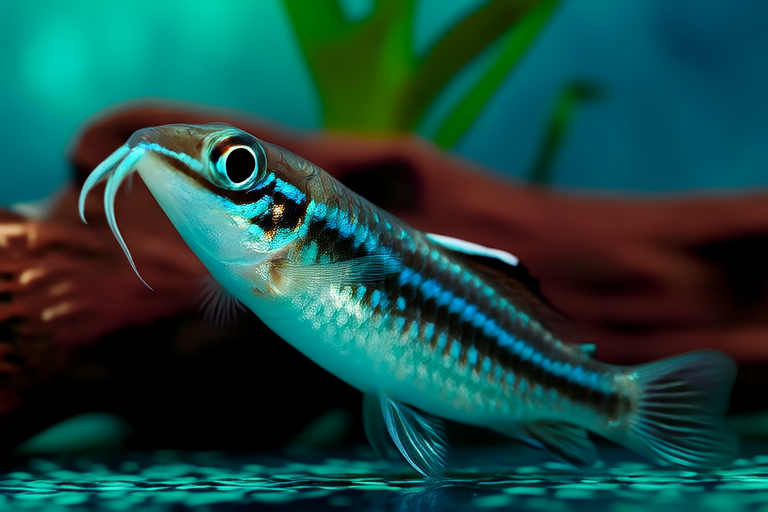
Arowana Myths Busted: Separating Fact from Fiction in Arowana Ownership
The arowana, often referred to as the dragonfish due to its sleek, elongated body and pectoral fins that resemble dragon wings, has captivated the hearts of many aquarists around the world. Not only is this fish admired for its striking appearance, but it also carries a significant cultural mystique. In certain parts of Asia, arowanas are believed to bring good fortune and are considered symbols of prosperity and power. This combination of beauty and legend makes arowanas a popular choice among fish enthusiasts. However, the allure of these majestic creatures is often clouded by numerous myths and misconceptions. This article aims to separate fact from fiction, providing an accurate and comprehensive guide for potential and current arowana owners.
Myth 1: Arowanas Bring Good Luck and Fortune
One of the most pervasive myths about arowanas is their supposed ability to bring good luck and financial success. In Asian cultures, particularly in countries like Singapore and Malaysia, arowanas have been highly sought after for their alleged auspicious qualities. It’s believed that keeping an arowana can ward off evil spirits and attract wealth. While the fish may indeed bring joy and satisfaction to their owners, there is no scientific evidence supporting the notion that they influence luck or fortune.
Instead, the popularity of arowanas in these regions is more likely tied to cultural traditions and the status symbol associated with owning such an exotic and expensive fish. The high price tag of arowanas often places them out of reach for the average person, making them a luxury item. This exclusivity may contribute to the perception of the fish as a symbol of success.
Myth 2: Arowanas Are Extremely Intelligent
Arowanas are often described as intelligent fish, capable of recognizing their owners and even performing tricks. While it is true that arowanas exhibit some level of intelligence, attributing human-like cognitive abilities to them is an exaggeration. These fish are known for their impressive jumping skills and their ability to leap out of the water to catch prey, which is an adaptation to their natural environment. However, this behavior is more of a survival instinct than a sign of intelligence.
Experts suggest that while arowanas can distinguish between different people and respond to routine feeding times, their intelligence does not compare to that of mammals or birds. It is important to understand that the fish’s behavior should be interpreted within the context of their natural habitat and survival strategies.
Myth 3: Arowanas Have Specific Dietary Needs
Another common misconception is that arowanas require a specialized diet that includes live prey. Although arowanas are carnivorous and prefer live foods like insects, small fish, and crustaceans, they can adapt to a diet of frozen and freeze-dried foods. Providing a balanced diet that meets their nutritional needs is crucial for their health and longevity.
It is recommended to feed a variety of high-quality, protein-rich foods, including pellets, sticks, and flakes designed for large carnivorous fish. Ensuring that the food is of high quality and varied can help prevent malnutrition and promote overall well-being. Additionally, offering occasional treats like live or frozen shrimp can stimulate their natural hunting instincts.
Myth 4: Arowanas Require Special Environmental Conditions
Arowanas are often thought to need specific environmental conditions, such as very large tanks, high temperatures, and particular water parameters. While it is true that arowanas are sensitive to their environment and require ample space, the idea that they cannot thrive in anything less than a massive tank is a misconception.
For example, arowanas can live comfortably in a tank that is at least 12 feet long, provided it is adequately equipped with filtration systems and heaters to maintain the correct temperature and water quality. Water parameters should be kept stable, with pH levels between 6.5 and 7.5 and a temperature range of 78 to 84 degrees Fahrenheit. Regular water changes and proper filtration are essential to maintaining a healthy environment.
Practical Advice for Prospective Owners
Owning an arowana requires careful consideration and commitment. Here are some practical tips for setting up and maintaining a healthy environment for your arowana:
- Tank Setup: Ensure the tank is spacious enough to allow the fish to swim freely. A tank that is too small can lead to stress and health issues. Decorate the tank with plants and rocks to provide hiding spots and enhance the visual appeal.
- Dietary Care: Provide a balanced diet that includes a variety of high-quality foods. Avoid overfeeding, as this can lead to obesity and other health problems.
- Water Quality: Maintain optimal water conditions through regular testing and water changes. Use appropriate filtration systems to keep the water clean and free of harmful substances.
- Behavior Monitoring: Keep an eye on your arowana’s behavior for signs of distress or illness. Early detection and intervention can prevent more serious health issues.
Conclusion: Responsible Pet Ownership
Dispelling the myths surrounding arowanas is crucial for promoting ethical treatment and responsible pet ownership. By understanding the true nature and needs of these magnificent fish, we can ensure they are cared for properly and provided with the best possible living conditions. Owning an arowana is a rewarding experience that comes with great responsibility. It is essential to approach the task with knowledge and respect for the animal’s unique characteristics.
By separating fact from fiction, we can foster a deeper appreciation for these fascinating creatures and encourage a culture of informed and compassionate care. Let us embrace the reality of arowanas, celebrating their beauty and intelligence while ensuring they receive the love and attention they deserve.
