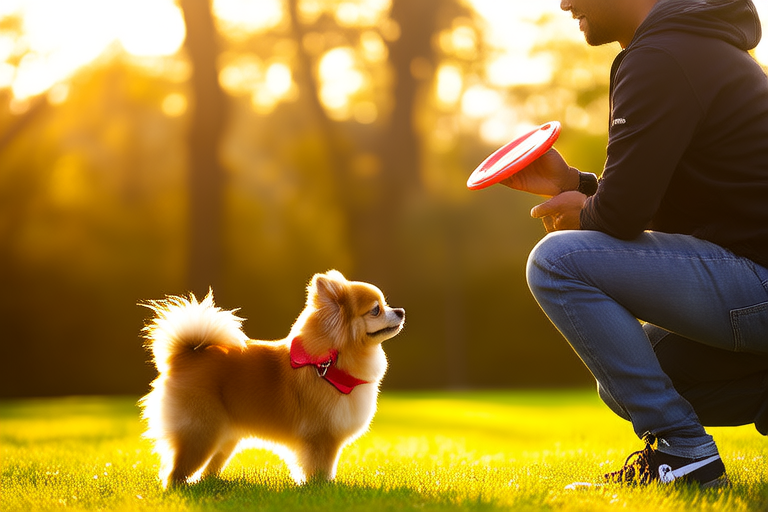
Pomeranians Unleashed: Training Tips for a Happy and Obedient Companion
Welcome to the world of Pomeranians! These adorable, fluffy dogs have captured the hearts of many pet lovers worldwide. Known for their small size, big personalities, and striking appearance, Pomeranians are a popular choice among dog enthusiasts. Their history dates back to the 18th century, where they were bred down from larger sled dogs to become the delightful companions we know today. This article will guide you through the essential steps of training your Pomeranian to ensure a happy and obedient companion.
Understanding Your Pomeranian
Pomeranians are intelligent, lively, and alert dogs. They are known for their loyalty and affection towards their families, making them excellent companions. However, their small size can sometimes be misleading; they are often described as ‘big dogs in small packages.’ This means they require firm but gentle handling to prevent dominance issues. Understanding your Pomeranian’s unique characteristics is crucial for successful training.
Essential Training Methods
Training your Pomeranian involves more than just teaching commands; it’s about building a strong bond based on mutual respect and understanding. Positive reinforcement is key. This method rewards good behavior with treats, praise, or toys, encouraging your Pomeranian to repeat desired actions. Consistency is also vital; it helps your dog understand what behaviors are acceptable and which ones are not. Lastly, building trust is fundamental. Your Pomeranian needs to feel safe and secure with you, so always approach training sessions with patience and kindness.
Basic Commands
The Sit Command
Teaching your Pomeranian to sit is usually the first step in obedience training. Hold a treat above your dog’s head and say ‘sit.’ As your Pomeranian looks up, its bottom should naturally lower to the ground. Once it sits, give the treat and praise. Repeat this several times until your Pomeranian understands the command without needing the treat.
The Stay Command
The stay command teaches your Pomeranian to remain in one place until given permission to move. Start by having your dog sit. Extend your hand palm out and say ‘stay.’ Take a few steps back, then return and reward if your Pomeranian remains seated. Gradually increase the distance and time as your Pomeranian becomes more comfortable with the command.
The Come Command
This command ensures your Pomeranian returns to you when called. Use a happy, excited voice to call your dog’s name followed by ‘come.’ When your Pomeranian comes to you, lavish it with praise and treats. It’s important to practice this command in various environments to make sure your dog responds reliably.
The Heel Command
The heel command teaches your Pomeranian to walk beside you without pulling. Begin by holding a treat near your leg and saying ‘heel.’ As your Pomeranian follows the treat, gently pull it back to your side if it tries to forge ahead. Practice this in short intervals, gradually increasing the duration and distractions.
Addressing Common Behavioral Issues
Pomeranians, like any other breed, may exhibit certain behavioral issues. Some common problems include excessive barking, separation anxiety, and aggression. Excessive barking can be managed by identifying triggers and addressing them. For example, if your Pomeranian barks at strangers, gradually introduce new people in a controlled environment, rewarding calm behavior. Separation anxiety can be alleviated through desensitization techniques, such as leaving your dog alone for short periods and gradually increasing the time. Aggression can be a complex issue and often requires professional help. Always seek advice from a qualified trainer or behaviorist if you’re unsure how to handle aggressive behavior.
Maintaining a Healthy Lifestyle
A balanced diet, regular exercise, and mental stimulation are crucial for your Pomeranian’s well-being. Regular walks and playtime are essential for physical health, while interactive toys and puzzles keep their minds sharp. Socialization is equally important; expose your Pomeranian to different people, animals, and environments from a young age to ensure they grow into confident, well-adjusted adults. Remember, a healthy Pomeranian is a happy Pomeranian!
In conclusion, training your Pomeranian is a rewarding experience that strengthens your bond and ensures a well-behaved, happy companion. By understanding your Pomeranian’s unique traits, employing positive reinforcement, and addressing behavioral issues promptly, you’ll set the foundation for a lifetime of companionship. With love, patience, and dedication, you and your Pomeranian will enjoy countless adventures together.
