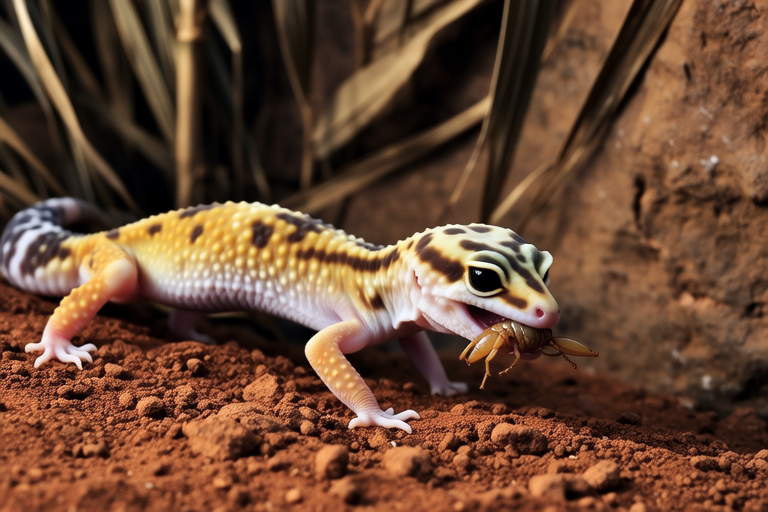
The Best Diet Tips for a Thriving Leopard Gecko
Leopard geckos are one of the most popular reptile pets due to their docile nature and relatively low maintenance. However, ensuring your gecko thrives requires careful attention to its diet. This article provides comprehensive guidance on the essential dietary needs, nutritional requirements, feeding schedules, suitable foods, hydration methods, common feeding mistakes to avoid, and the impact of proper diet on overall health and longevity.
Essential Dietary Needs and Nutritional Requirements
Leopard geckos require a balanced diet rich in proteins, fats, vitamins, and minerals. Their diet should mimic what they would eat in the wild, primarily consisting of live insects. The primary macronutrients needed include:
- Protein: Essential for growth, repair, and maintenance of muscles, skin, and other tissues.
- Fat: Provides energy and helps with nutrient absorption.
- Vitamins: Vitamins A, D3, E, and B-complex are crucial for various bodily functions.
- Minerals: Calcium, phosphorus, magnesium, and potassium are vital for bone health and metabolism.
Scientifically, these nutrients are necessary for the gecko’s metabolic processes and immune system function. A deficiency in any of these can lead to serious health issues such as metabolic bone disease (MBD), which is characterized by soft or deformed bones.
Feeding Schedules
Leopard geckos are nocturnal creatures and typically hunt at night. Therefore, it’s best to feed them in the evening when they’re most active. Young geckos may need to be fed daily, while adults can be fed every other day or every three days depending on their size and activity level. Overfeeding can lead to obesity, while underfeeding can result in malnutrition.
Types of Food Suitable for Leopard Geckos
The core of a leopard gecko’s diet should consist of live insects. Common choices include:
- Crickets: Easily digestible and widely available. They should be gut-loaded (fed nutritious food) before being offered to the gecko.
- Roaches: High in protein and fat, making them excellent for adult geckos. They also have a lower risk of carrying parasites compared to crickets.
- Waxworms: High in fat and calories, good for occasional treats but should not be a staple due to their high-fat content.
- Mealworms: Not recommended as a regular food source due to their hard exoskeletons, which can cause impaction if ingested in large quantities.
In addition to insects, some owners supplement their gecko’s diet with small amounts of fruit or vegetables. However, this should be done cautiously and only after consulting with a veterinarian, as it can upset the delicate balance of nutrients required for optimal health.
Supplementation
To ensure that your leopard gecko receives all necessary nutrients, especially calcium and vitamin D3, supplements are often required. Dusting insects with calcium powder and multivitamin supplements before feeding is a common practice. It’s important to use a calcium supplement without added vitamin D3 for everyday feeding and a multivitamin with vitamin D3 once or twice a week. Excessive vitamin D3 can lead to toxicity, so moderation is key.
Hydration Methods
Leopard geckos obtain most of their moisture from their food. However, providing a shallow water dish is still advisable, particularly during shedding periods. The dish should be shallow enough to prevent drowning, especially for younger geckos. Some geckos may also enjoy misting, which can be done occasionally to increase humidity levels in the enclosure.
Common Feeding Mistakes to Avoid
Several common feeding mistakes can negatively impact your leopard gecko’s health:
- Overfeeding: Can lead to obesity and related health issues.
- Underfeeding: Can result in malnutrition and stunted growth.
- Improper supplementation: Too much or too little can cause nutrient imbalances.
- Feeding inappropriate insects: Such as mealworms or superworms in large quantities can cause impaction.
- Lack of variety: Feeding the same type of insect repeatedly can lead to nutritional deficiencies.
Avoiding these mistakes requires careful planning and monitoring of your gecko’s diet. Regular veterinary check-ups can help identify potential issues early on.
Impact of Proper Diet on Overall Health and Longevity
A well-balanced diet significantly contributes to the overall health and longevity of your leopard gecko. Proper nutrition supports a healthy immune system, strong bones, and optimal organ function. It also aids in maintaining an appropriate weight, reducing the risk of obesity-related diseases.
Studies have shown that leopard geckos fed a balanced diet live longer and experience fewer health problems. For instance, geckos fed a diet lacking in calcium and vitamin D3 are more prone to MBD, which can severely impact their mobility and lifespan. Conversely, geckos receiving adequate nutrition tend to be more active, have better coloration, and exhibit healthier behavior.
Practical Tips for Pet Owners
Here are some practical tips to ensure your leopard gecko enjoys a healthy diet:
- Monitor food intake: Keep track of how much you feed your gecko and adjust as necessary based on its size and activity level.
- Gut-load insects: Feed the insects a nutritious diet before offering them to your gecko to enhance their nutritional value.
- Rotate insect types: Offer different types of insects to provide a varied diet and prevent boredom.
- Use supplements carefully: Follow the instructions on the supplement packaging and consult with a veterinarian if unsure about the correct dosage.
- Keep the environment clean: Regularly clean the enclosure to prevent contamination of food and water.
By following these tips and paying close attention to your gecko’s dietary needs, you can ensure it leads a long, healthy life.
Conclusion
Providing a balanced and nutritious diet is crucial for the health and longevity of your leopard gecko. Understanding its essential dietary needs, nutritional requirements, and appropriate feeding schedules will help you create an optimal environment for your pet. By avoiding common feeding mistakes and implementing practical tips, you can contribute to your gecko’s well-being and ensure it thrives in captivity.
