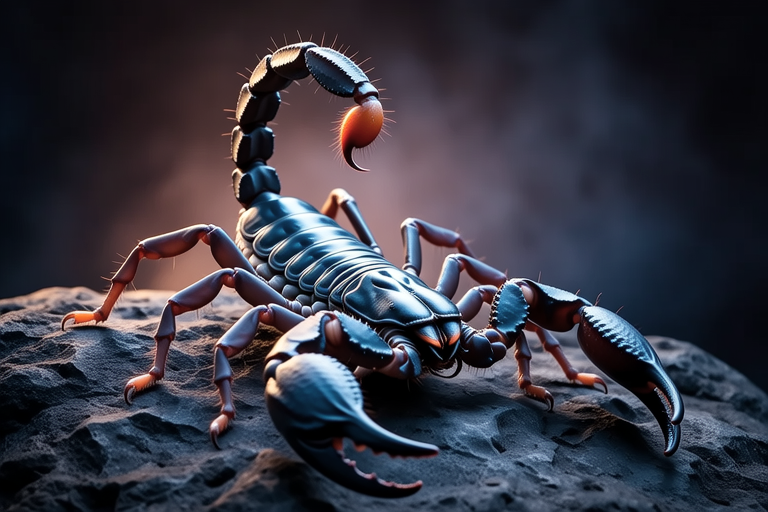
Heterometrus Spinifer: A Unique and Captivating Exotic Pet
Welcome to the fascinating world of Heterometrus spinifer, a scorpion species that has captured the hearts of many exotic pet enthusiasts. Known for its striking appearance and intriguing behaviors, this scorpion offers a unique experience for those willing to take on the responsibility of caring for it. In this comprehensive guide, we will explore the captivating aspects of Heterometrus spinifer, including its unique characteristics, care requirements, and suitability as a pet. Whether you’re a seasoned enthusiast or a curious novice, this article aims to provide valuable insights into the world of these remarkable creatures.
Introduction to Heterometrus Spinifer
The Heterometrus spinifer is a medium-sized scorpion native to Southeast Asia. It belongs to the family Scorpionidae and is part of the genus Heterometrus. This species is distinguished by its robust body, thick pedipalps (claws), and a distinctive spine located at the base of its tail. The name spinifer translates to “spiny bearer,” which aptly describes this scorpion’s most notable feature. With its dark brown to black coloration, the Heterometrus spinifer is a visually striking creature that can grow up to 10 centimeters in length, making it a captivating addition to any collection.
Habitat and Natural Environment
In the wild, the Heterometrus spinifer thrives in tropical rainforests and humid environments across Southeast Asia. These scorpions prefer areas with dense vegetation, such as under logs, in leaf litter, or within rocky crevices. They are primarily nocturnal and spend their days hiding from the intense sunlight, emerging only during the cooler evening hours to hunt for prey. Understanding their natural habitat is crucial for replicating the conditions they need in captivity.
Diet and Feeding Requirements
As carnivorous predators, Heterometrus spinifer scorpions feed on a variety of insects, including crickets, mealworms, and small roaches. In captivity, it is essential to provide a balanced diet that mimics their natural prey. Juvenile scorpions should be fed smaller insects, such as pinhead crickets, while adults can consume larger prey items. Feeding should occur every 7 to 10 days for adults and more frequently for juveniles. Additionally, it is important to ensure that the prey items are appropriately sized and nutritious to maintain the health and vitality of your scorpion.
Care and Housing Requirements
Creating an optimal environment for your Heterometrus spinifer is paramount to its well-being. A spacious terrarium with a secure lid is necessary to prevent escapes. The enclosure should be equipped with a substrate that retains moisture, such as coconut fiber or sphagnum moss. Providing ample hiding spots, such as cork bark or half logs, allows the scorpion to feel secure and comfortable. Maintaining a humidity level between 60% and 80% and a temperature range of 75 to 85 degrees Fahrenheit (24 to 29 degrees Celsius) is vital for replicating its natural habitat. Regular misting and proper ventilation are also key factors in ensuring a healthy living space.
Behavior and Interaction
Heterometrus spinifer scorpions are generally docile and relatively easy to handle when properly acclimated. However, it is crucial to exercise caution and respect their boundaries. Handling should be limited to avoid stressing the scorpion and to minimize the risk of injury. When interacting with your scorpion, always use tongs or gloves to avoid accidental stings. While these scorpions are not aggressive, they can become defensive if provoked. Understanding their behavior and providing a stress-free environment will contribute to a positive relationship between you and your pet.
Suitability as a Pet
Owning a Heterometrus spinifer requires dedication and responsibility. Potential owners must be prepared to meet the specific needs of these scorpions, including proper housing, diet, and handling techniques. While they may not be suitable for beginners due to the complexity of their care, experienced enthusiasts will find them rewarding companions. It is essential to conduct thorough research and consult with experts before committing to the ownership of a Heterometrus spinifer. This ensures that both the owner and the scorpion can thrive in their shared environment.
Health and Longevity
With proper care, Heterometrus spinifer scorpions can live up to 8 years in captivity. Regular monitoring of their health is essential to detect any issues early. Common signs of illness include lethargy, loss of appetite, and changes in behavior. If you notice any concerning symptoms, it is advisable to consult a veterinarian specializing in exotic pets. Maintaining a clean and hygienic enclosure, providing a balanced diet, and minimizing stress are key factors in promoting the longevity and well-being of your scorpion.
Conclusion
The Heterometrus spinifer is a truly unique and captivating scorpion species that offers a fascinating experience for exotic pet enthusiasts. From its striking appearance to its intriguing behaviors, this scorpion has much to offer those willing to take on the responsibility of caring for it. By understanding its habitat, dietary needs, and care requirements, you can provide a nurturing environment that allows your scorpion to thrive. Remember, owning a Heterometrus spinifer is a commitment that requires dedication and attention to detail. With the right approach, you can enjoy a rewarding and enriching relationship with this remarkable creature.
