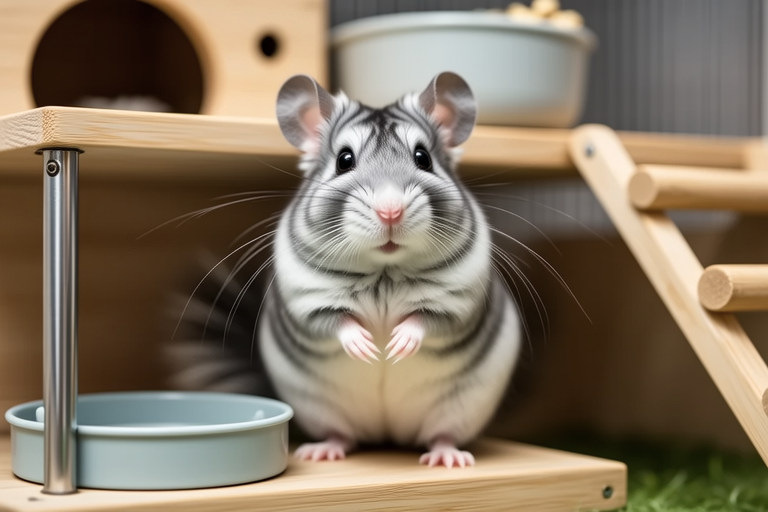
How to Create the Perfect Home for Your Chinchilla BFF
Welcome to the world of chinchillas! These adorable, fluffy creatures make wonderful pets, but they come with specific care requirements. To ensure your chinchilla is happy and healthy, you need to create an ideal living environment. This guide will walk you through the essential aspects of setting up the perfect home for your chinchilla, from selecting the right cage to maintaining optimal temperature and humidity levels.
Choosing the Right Cage Size and Material
The first step in creating a perfect home for your chinchilla is choosing the right cage. Chinchillas are active animals that require ample space to move around comfortably. A cage that is too small can lead to stress and behavioral issues. The minimum recommended cage size for a single chinchilla is 30 inches wide, 24 inches deep, and 24 inches high. However, larger cages are always better, especially if you plan to house multiple chinchillas together.
When it comes to cage materials, avoid wire-bottomed cages as they can cause foot injuries. Instead, opt for solid flooring or a soft, absorbent substrate. Cages made from sturdy, non-toxic materials such as stainless steel or durable plastic are ideal. Ensure that the cage has secure latches to prevent escapes and that all bars are spaced closely enough to prevent your chinchilla from getting its head stuck.
Providing Appropriate Bedding
Bedding plays a crucial role in keeping your chinchilla comfortable and healthy. Choose bedding that is dust-free, absorbent, and easy to clean. Aspen shavings or paper-based bedding are excellent choices. Avoid cedar and pine shavings, as they contain aromatic oils that can irritate your chinchilla’s respiratory system.
Ensure that the bedding is changed regularly to maintain hygiene and prevent odors. Clean the entire cage at least once a week, removing old bedding and replacing it with fresh material. This helps keep your chinchilla’s living area clean and free from harmful bacteria.
Ensuring Adequate Ventilation
Chinchillas have very sensitive respiratory systems, so proper ventilation is crucial. Ensure that the cage has plenty of airflow but no direct drafts. Position the cage away from windows, doors, and air conditioning units to prevent sudden temperature changes. If necessary, use a fan or air purifier to maintain a consistent, clean air supply.
Creating Safe Exercise Areas
Chinchillas are highly active and need opportunities to exercise. Provide a safe exercise area within the cage, such as a multi-level platform or tunnel system. These structures allow your chinchilla to climb, jump, and explore, mimicking natural behaviors. Additionally, consider adding a wheel designed specifically for small animals to provide additional exercise options.
Offering Suitable Toys
Toys are essential for mental stimulation and preventing boredom. Provide a variety of toys that encourage chewing, digging, and climbing. Chinchillas enjoy gnawing on wooden chew toys, which help wear down their continuously growing teeth. Other suitable toys include cardboard boxes, tunnels, and puzzle feeders. Rotate toys periodically to keep your chinchilla engaged and interested.
Maintaining Optimal Temperature and Humidity Levels
Chinchillas are native to the Andes Mountains, where temperatures are cool and humidity is low. They thrive in environments with temperatures between 60°F and 70°F (15°C to 21°C) and relative humidity below 40%. Use a thermometer and hygrometer to monitor these conditions and adjust as needed. Avoid placing the cage near heat sources or in direct sunlight, as excessive heat can be dangerous for your chinchilla.
Dietary Needs
A balanced diet is vital for your chinchilla’s overall health. Their diet should consist primarily of timothy hay, which provides essential fiber and aids digestion. Supplement this with a high-quality chinchilla pellet mix that contains all necessary nutrients. Fresh water should be available at all times, and you can occasionally offer treats like raisins, dried rose hips, or apple slices. However, treats should be given sparingly to avoid obesity.
Regular Health Check-Ups
Scheduling regular veterinary check-ups is important for early detection and treatment of potential health issues. Look for signs of illness, such as lethargy, loss of appetite, or abnormal droppings. If you notice any concerning symptoms, contact your veterinarian immediately.
Cleaning and Sanitizing the Living Space
Proper cleaning and sanitation are key to preventing diseases. Remove waste daily and spot-clean the cage as needed. Perform a thorough cleaning every week, including washing all parts of the cage with mild soap and water, then rinse thoroughly and dry completely before returning the bedding and accessories. Disinfect the cage periodically using a pet-safe disinfectant to eliminate bacteria and viruses.
Importance of a Stress-Free Environment
Stress can negatively impact your chinchilla’s health and well-being. Minimize loud noises, sudden movements, and other disturbances in the vicinity of the cage. Create a quiet, peaceful environment where your chinchilla feels safe and secure. Consider using a soft blanket or towel to line part of the cage, providing a cozy retreat for your chinchilla.
Bonding Activities Between Chinchillas and Their Owners
Spending quality time with your chinchilla is essential for building trust and strengthening your bond. Handle your chinchilla gently and consistently, allowing them to become accustomed to your presence. Offer treats during handling sessions to create positive associations. You can also engage in interactive play by introducing new toys or creating obstacle courses for your chinchilla to navigate.
In conclusion, creating the perfect home for your chinchilla involves careful consideration of various factors, from selecting the right cage and bedding to maintaining optimal temperature and humidity levels. By following these guidelines, you can ensure that your chinchilla lives a happy, healthy life. Remember to prioritize your chinchilla’s comfort and well-being, and always be attentive to their needs.
