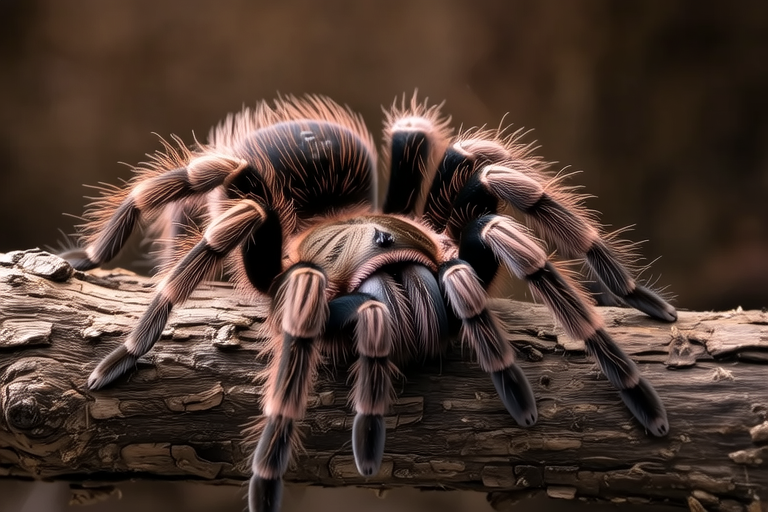
Unveiling the Truth: Tarantulas as Ideal Pets for Arachnid Lovers
Tarantulas have long been shrouded in mystery and fear, often misunderstood by those who have never had the opportunity to interact with these fascinating creatures. These large, hairy spiders belong to the family Theraphosidae, which comprises over 900 species. Contrary to popular belief, tarantulas are not aggressive, venomous predators that pose a significant threat to humans. Instead, they are docile, low-maintenance pets that can provide hours of entertainment and education for their owners. This article aims to dispel common myths about tarantulas, explore their care requirements, highlight their unique behaviors, and offer guidance on selecting the right species for both novice and seasoned arachnid enthusiasts.
Dispelling Common Myths About Tarantulas
One of the most pervasive myths surrounding tarantulas is that they are highly aggressive and dangerous. While it’s true that some species can deliver painful bites if provoked, tarantulas are generally quite docile and prefer to avoid confrontation. Another misconception is that all tarantulas are venomous. Although they possess venom glands, the toxicity of their venom varies widely among species. For instance, New World tarantulas typically have less potent venom than their Old World counterparts, and their bites are more akin to bee stings, causing localized pain and swelling but rarely serious harm.
Another myth is that tarantulas require elaborate and expensive setups to thrive. In reality, tarantulas are relatively simple to care for, requiring only a basic enclosure, appropriate substrate, and minimal accessories. The key to successful tarantula keeping lies in understanding their specific needs and creating an environment that mimics their natural habitats.
Care Requirements for Tarantulas
Habitat Setup
The first step in caring for a tarantula is providing a suitable habitat. A glass or plastic terrarium with a secure lid is ideal, as it prevents escape while allowing for proper ventilation. The size of the enclosure should be proportional to the size of the tarantula; a general rule of thumb is to provide at least three times the leg span in height and width. For example, a medium-sized tarantula might require a 10-gallon tank.
The substrate should be at least two to four inches deep, depending on the species. Many tarantula owners opt for coconut fiber, peat moss, or vermiculite, as these materials retain moisture well and provide a natural burrowing surface. Avoid using wood chips or gravel, as these can cause injury to the tarantula’s delicate legs and mouthparts.
Temperature and Humidity
Maintaining the correct temperature and humidity levels is crucial for the health and longevity of your tarantula. Most tarantulas thrive in temperatures between 75 and 85 degrees Fahrenheit (24 to 29 degrees Celsius). Use a thermometer to monitor the temperature within the enclosure and adjust heating sources as needed. A heat mat or under-tank heater can be used to maintain consistent warmth.
Humidity levels should range from 60% to 80%, depending on the species. Higher humidity is particularly important for arboreal species, while terrestrial species may tolerate slightly lower humidity. Misting the enclosure daily or using a humidifier can help maintain optimal conditions. Always ensure that the enclosure has adequate ventilation to prevent condensation buildup, which can lead to respiratory issues.
Diet
Tarantulas are carnivorous, feeding primarily on insects such as crickets, mealworms, and dubia roaches. The size of the prey should be proportional to the tarantula’s body size; a good rule of thumb is that the prey should not exceed half the width of the tarantula’s abdomen. Feed adult tarantulas once or twice a week, and juveniles more frequently. It’s essential to gut-load the feeder insects with nutritious food such as fruits, vegetables, and commercial insect diets before offering them to your tarantula. This ensures that the tarantula receives the necessary vitamins and minerals for optimal health.
Occasionally, you may need to dust the feeder insects with calcium and vitamin supplements to prevent deficiencies. However, be cautious not to overdo it, as excessive supplementation can lead to health problems. Always remove uneaten prey after a few hours to prevent stress or injury to the tarantula.
Unique Behaviors and Characteristics of Tarantulas
Tarantulas exhibit a wide range of fascinating behaviors that make them captivating pets. One of the most intriguing aspects of tarantula ownership is observing their molting process. As tarantulas grow, they shed their exoskeleton through a process known as ecdysis. During this time, the tarantula will stop eating and become reclusive, often hiding in a burrow or under a hide. The owner should refrain from disturbing the tarantula during this period and ensure that the enclosure remains moist to facilitate smooth molting.
Another notable behavior is urticating hairs. Many New World tarantulas possess specialized hairs on their abdomen that they can flick off when threatened. These hairs can cause irritation to human skin and eyes, so it’s important to handle these species with care. However, this defense mechanism is rarely used unless the tarantula feels truly threatened, making it an infrequent occurrence.
Some tarantulas also display interesting hunting techniques. For instance, many terrestrial species dig burrows and ambush prey that ventures too close, while arboreal species may spin webs to ensnare unsuspecting insects. Observing these behaviors can provide endless fascination for the dedicated tarantula owner.
Tips on Handling and Safety Around Tarantulas
Handling tarantulas requires patience, caution, and respect for the animal’s natural instincts. While some species, like the Mexican redknee tarantula, are more tolerant of handling, others, such as the Chilean rose tarantula, are better suited for observation rather than interaction. If you decide to handle your tarantula, always wash your hands before and after to prevent the transfer of oils or harmful substances.
When picking up a tarantula, gently scoop it from underneath, supporting its entire body. Never grab or squeeze the tarantula, as this can cause injury. It’s also advisable to handle tarantulas in a confined area, such as a tub, to prevent accidental escape. If the tarantula attempts to flee, allow it to settle down before attempting to pick it up again.
Remember, even the most docile tarantula can feel stressed or threatened, leading to defensive behaviors such as biting or flicking urticating hairs. Always approach your tarantula calmly and give it space if it shows signs of discomfort. Over time, with proper handling and care, many tarantulas can become accustomed to gentle interactions.
Selecting the Right Species for Beginners and Experienced Enthusiasts
Choosing the right tarantula species depends on several factors, including the owner’s experience level, available space, and willingness to invest time and resources into proper care. For beginners, it’s advisable to start with a hardy, easily maintained species such as the Chilean rose tarantula (Grammostola rosea) or the Mexican redknee tarantula (Brachypelma smithi). These species are relatively large, docile, and forgiving of occasional lapses in care, making them ideal candidates for first-time tarantula owners.
Experienced enthusiasts may wish to explore more challenging species, such as the Goliath birdeater (Theraphosa blondi), the largest tarantula species, or the pinktoe tarantula (Avicularia avicularia), known for its striking appearance and arboreal lifestyle. These species often require more advanced care techniques, such as specialized enclosures or dietary considerations, but they can provide a rewarding challenge for those willing to commit.
No matter the species chosen, it’s essential to research thoroughly and consult with experienced keepers or reputable breeders before making a purchase. Understanding the specific needs and behaviors of your chosen species will greatly enhance your ability to provide a healthy and happy home for your tarantula.
In conclusion, tarantulas make excellent pets for those willing to learn and understand their unique requirements. By dispelling common myths, exploring care requirements, and highlighting their fascinating behaviors, we hope to inspire both novice and seasoned arachnid enthusiasts to consider adding a tarantula to their collection. With the right species and proper care, tarantulas can provide years of enjoyment and companionship, serving as ambassadors for these often misunderstood creatures.
