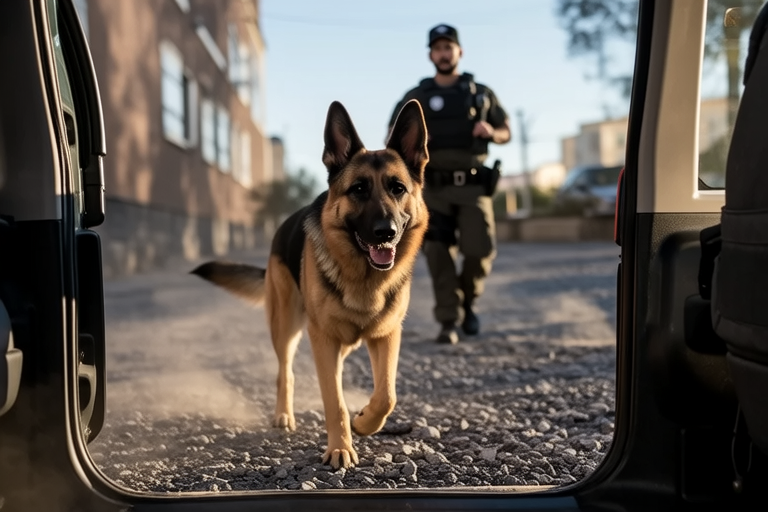
A Day in the Life of a Working German Shepherd: From Home to Duty
German Shepherds are among the most versatile and intelligent breeds of dogs, renowned for their unwavering loyalty and exceptional abilities. These majestic canines have been serving humanity in various capacities for over a century, from law enforcement to search and rescue missions, and even as therapy animals. Their natural aptitude for learning and their keen sense of duty make them invaluable partners in numerous fields. This article takes you through a typical day in the life of a working German Shepherd, exploring the roles they play both at home and in their professional environments.
The Morning Routine: Bonding and Training
Every day begins at home, where the German Shepherd enjoys some quality time with its family before heading out to its professional duties. The morning routine often starts with a hearty breakfast, followed by some bonding activities. These moments are crucial for reinforcing the bond between the dog and its handler. A favorite pastime might be playing fetch, which not only entertains but also helps in maintaining the dog’s physical fitness.
After the playtime, the focus shifts to training exercises that prepare the dog for its day ahead. These exercises are designed to keep the dog sharp and responsive. One such exercise involves teaching the dog to respond to various commands with precision. For instance, the dog learns to sit, stay, and come when called, all essential skills for any working German Shepherd. The handler uses positive reinforcement techniques, rewarding the dog with treats or praise for correct responses. This early training ensures that the dog remains focused and attentive throughout the day.
Transition to Professional Environment
As the day progresses, the German Shepherd transitions from its domestic life to its professional role. Depending on its specialization, the dog may head to a police station, a search and rescue team’s base, or a military facility. The environment changes, but the commitment and dedication remain constant. In law enforcement, German Shepherds are often used for patrol duties, tracking suspects, and providing protection.
One memorable incident involved a German Shepherd named Max, who was part of a narcotics unit. During a routine search, Max detected the faint scent of illegal substances hidden in a vehicle. His keen sense of smell helped uncover a significant cache of drugs, leading to a successful bust. Stories like these highlight the indispensable role that German Shepherds play in keeping communities safe.
Duties in Different Fields
Search and rescue operations present a different set of challenges for German Shepherds. In this role, the dogs are trained to locate missing persons, often in hazardous conditions. Their agility and determination allow them to navigate difficult terrains, from dense forests to mountainous regions. An example of such bravery is seen in a German Shepherd named Bella, who participated in the search for a hiker lost in the mountains. Despite harsh weather conditions, Bella persisted, eventually leading rescuers to the hiker, who was safely recovered.
In military settings, German Shepherds serve as sentry dogs, detecting potential threats and guarding installations. They undergo rigorous training to ensure they can handle high-stress situations calmly and effectively. These dogs are also trained for combat roles, where they assist soldiers in locating explosives and guiding them through unfamiliar territory. Their ability to work closely with their handlers under extreme conditions is a testament to their resilience and loyalty.
Overcoming Challenges
The path to becoming a fully-fledged working German Shepherd is fraught with challenges. Training is intense and demanding, requiring the dog to develop a wide range of skills. The process is long, involving months of dedicated practice and refinement. Handlers face the challenge of ensuring their dogs remain motivated and engaged throughout the training. This requires patience, understanding, and a deep connection between handler and dog.
Once in the field, the dogs encounter various obstacles. Weather conditions can be harsh, affecting visibility and scent detection. In law enforcement, the presence of distractions can make it challenging for the dogs to focus on their tasks. Despite these challenges, German Shepherds consistently rise to the occasion, demonstrating remarkable adaptability and determination.
The Bond Between Handler and Dog
The relationship between a German Shepherd and its handler is the cornerstone of their effectiveness. This bond is built on mutual respect, trust, and understanding. Handlers spend countless hours with their dogs, building a rapport that allows for seamless communication. This connection is evident in the way the dogs respond to their handlers’ commands, often with a level of accuracy that surpasses human capabilities.
The partnership between handler and dog is crucial for success in their duties. It enables them to work as a cohesive unit, overcoming challenges and achieving their goals. The bond goes beyond mere professionalism; it is a deep emotional connection that sustains them through the toughest of times. This relationship is what makes working German Shepherds such an inspiration, reminding us of the incredible potential that exists when humans and animals work together.
In conclusion, a day in the life of a working German Shepherd is filled with challenges, triumphs, and moments of profound connection. Whether at home or in their professional roles, these dogs exemplify dedication, intelligence, and loyalty. Their versatility and adaptability make them indispensable partners in various fields. As we reflect on their contributions, it is clear that the bond between handler and dog is the key to their success. Together, they form a powerful alliance, working tirelessly to serve and protect.
