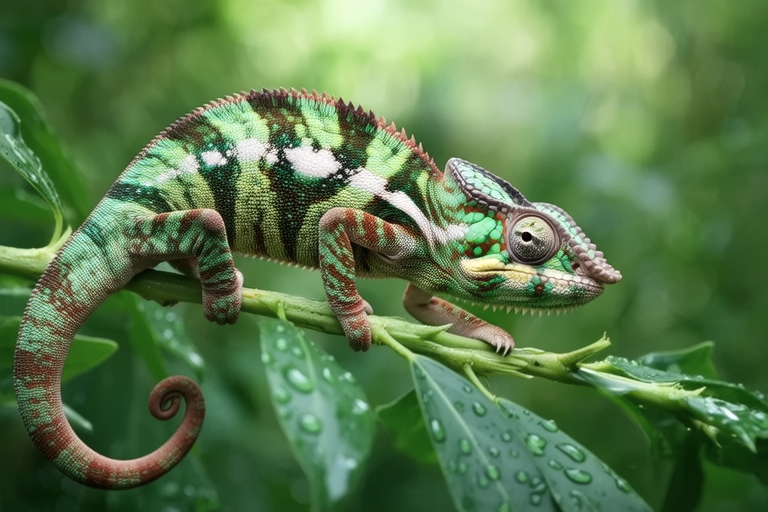
Chameleon Care Made Easy: Expert Tips for First-Time Owners
Welcome to the fascinating world of chameleon care! Chameleons are unique and captivating pets that can bring joy and wonder to your home. These lizards, known for their ability to change colors, are native to various regions around the world, including Madagascar, Africa, and parts of Asia. As a first-time owner, you may find yourself overwhelmed by the complexities of caring for these delicate creatures. This guide aims to simplify the process and provide you with expert tips to ensure your chameleon thrives.
Understanding Your Chameleon’s Needs
Before diving into the specifics of care, it’s crucial to understand what makes chameleons unique. They are arboreal animals, meaning they spend most of their time in trees. Their feet are designed to grip branches, and their tongues can extend rapidly to catch insects. Chameleons also use color changes to communicate, regulate body temperature, and express emotions. Understanding these behaviors will help you provide the best environment for your pet.
Setting Up the Right Habitat
Enclosure Size
The first step in creating a suitable habitat is choosing the right enclosure. A chameleon requires ample space to move freely and bask. A general rule of thumb is that the enclosure should be at least twice the length of the chameleon in height and width. For example, if your chameleon is 18 inches long, the enclosure should be at least 36 inches tall, wide, and deep. This ensures enough room for climbing and basking.
Lighting
Proper lighting is vital for a chameleon’s well-being. UVB lighting is necessary for calcium absorption and overall health. Invest in a high-quality UVB bulb, and ensure it covers at least 70% of the enclosure. Replace the bulb every six months, even if it still appears functional, to maintain its effectiveness. Additionally, a basking lamp should be provided to create a warm spot where the chameleon can bask. The basking spot should reach between 95°F and 110°F (35°C to 43°C).
Temperature and Humidity
Maintaining the correct temperature gradient within the enclosure is crucial. Use thermometers to monitor both the hot and cool sides of the enclosure. Chameleons need a range from 75°F to 90°F (24°C to 32°C) during the day, dropping slightly at night. Humidity levels should be kept between 40% and 70%. Mist the enclosure daily to raise humidity, and use a hygrometer to measure it accurately.
Diet and Feeding Techniques
Chameleons are insectivores, meaning their diet consists primarily of insects. Offering a variety of prey items ensures a balanced diet. Common choices include crickets, dubia roaches, silkworms, and hornworms. It’s important to gut load the insects before feeding them to your chameleon. Gut loading involves feeding nutritious foods like vegetables and fruits to the insects for 24 hours prior to feeding them to your chameleon. This process enhances the nutritional value of the insects.
In addition to gut loading, dust the insects with a calcium supplement without vitamin D3 two to three times a week. Dust with a multivitamin once a week. Over-supplementation can lead to health issues, so always follow the manufacturer’s guidelines. Feed your chameleon in the morning when it’s most active, and remove any uneaten insects after an hour to prevent them from nibbling on your chameleon.
Common Health Issues and Prevention
Like all pets, chameleons are susceptible to certain health issues. Metabolic bone disease (MBD) is one of the most common problems, often caused by insufficient calcium intake or lack of UVB light. Symptoms include lethargy, weak limbs, and difficulty climbing. To prevent MBD, ensure proper lighting and diet as discussed earlier.
Respiratory infections can occur due to improper humidity or temperature levels. Signs include labored breathing, nasal discharge, and lethargy. Maintain the correct environmental conditions to minimize the risk of respiratory infections. Regular vet check-ups are recommended to catch any potential health issues early.
Handling and Socialization
Chameleons are solitary animals and generally do not enjoy being handled. However, some level of interaction is necessary for routine care and monitoring. When handling your chameleon, always support its body fully to avoid stress. Limit handling to short sessions, and always wash your hands before and after handling to prevent the spread of bacteria.
Socialization can be achieved through observation rather than direct interaction. Spend time watching your chameleon in its natural habitat, noting its behavior and preferences. This will help you understand your pet better and provide the best care possible.
Ongoing Education and Community Support
As a responsible chameleon owner, it’s important to stay informed about the latest care practices and advancements in reptile husbandry. Join online forums and local reptile clubs to connect with other chameleon enthusiasts. These communities offer valuable insights and support for both novice and experienced owners. Books and reputable websites dedicated to reptile care can also provide extensive information on chameleon-specific topics.
Remember, the key to successful chameleon ownership lies in providing a loving, attentive, and knowledgeable environment. With the right setup, diet, and care, your chameleon can live a long and healthy life. Enjoy this rewarding journey of companionship and learning.
