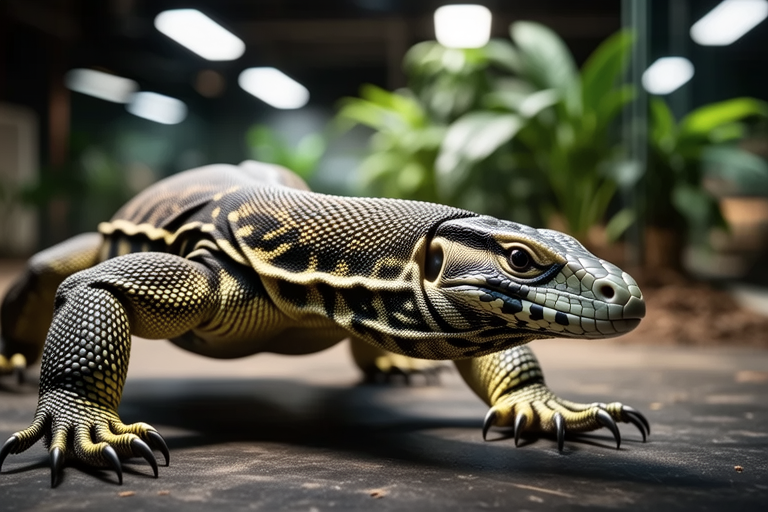
Aquatic Marvels at Home: Raising Water Monitors as Pets
Water monitors (Varanus salvator) are among the most fascinating reptiles that can be kept as pets. Their striking appearance, coupled with their aquatic prowess and intriguing behaviors, makes them a unique choice for reptile enthusiasts. However, they are not for the faint-hearted or inexperienced pet owners. This guide aims to provide comprehensive information on raising water monitors, from setting up the perfect habitat to understanding their care needs.
Natural Habitat and Characteristics
Native to Southeast Asia, water monitors thrive in tropical environments, often found near freshwater bodies such as rivers, swamps, and lakes. These reptiles are known for their impressive size, with adults reaching lengths of up to 7 feet (2 meters) and weighing around 30 pounds (14 kg). Despite their large size, they have a relatively long lifespan of about 15 to 20 years when cared for properly.
Setting Up the Enclosure
Creating an appropriate enclosure is crucial for the well-being of your water monitor. Given their size and active nature, a spacious vivarium is essential. A minimum enclosure size for an adult should measure at least 8 feet by 4 feet by 4 feet (2.4m x 1.2m x 1.2m). The enclosure should be designed to accommodate both land and water areas, as water monitors are semi-aquatic creatures.
Ensure that the enclosure has sturdy walls to prevent escape attempts. The floor should be lined with substrates like coconut fiber, bark chips, or reptile-safe mulch, which helps maintain humidity and provides a naturalistic environment. Additionally, include various climbing structures, branches, and rocks for your monitor to explore and bask on.
The water area should be deep enough for swimming and easy access. A filtration system is recommended to keep the water clean, and regular water changes are necessary to maintain hygiene.
Temperature and Humidity Control
Maintaining the right temperature and humidity levels is vital for your water monitor’s health. The enclosure should have a thermal gradient, with a basking spot reaching temperatures between 95°F and 105°F (35°C to 40°C) and cooler areas ranging from 75°F to 85°F (24°C to 29°C).
To achieve this, use a combination of heat lamps, ceramic heat emitters, and under-tank heaters. A digital thermometer and hygrometer will help you monitor these conditions accurately. Water monitors require high humidity levels, typically between 60% and 80%, which can be maintained through misting systems and proper substrate choices.
Dietary Requirements
Water monitors are carnivorous and require a varied diet rich in proteins. In the wild, their diet includes insects, small mammals, birds, fish, and even eggs. As pets, they should be fed a balanced diet consisting of appropriately sized prey items such as mice, rats, chicks, and feeder fish. Feeding frequency depends on the age and size of the monitor; younger or smaller monitors may need to eat more frequently, while larger adults can be fed every few days.
Vitamins and calcium supplements are essential to ensure good bone health and overall well-being. Dust prey items with these supplements regularly, but avoid over-supplementing, which can lead to nutritional imbalances.
Handling and Interaction
Water monitors can be wary of humans and may display defensive behaviors, including biting and tail whipping. Handling should be approached with caution and respect for the animal’s space. Always approach your monitor slowly and calmly, allowing it time to acclimate to your presence.
Regular interaction and gentle handling sessions can help build trust. However, never force interactions, and always supervise children around these powerful animals. It’s important to recognize signs of stress or discomfort and adjust handling practices accordingly.
Maintenance and Health Care
Regular cleaning of the enclosure is necessary to prevent the buildup of bacteria and parasites. Spot-clean daily and perform thorough cleanings weekly. Regular veterinary check-ups are also crucial for monitoring your monitor’s health. Watch for signs of illness, such as lethargy, loss of appetite, or unusual behavior, and seek professional help if any issues arise.
Proper husbandry, including correct diet, environmental conditions, and handling practices, contributes significantly to the longevity and well-being of your water monitor.
Responsibilities of Ownership
Owning a water monitor comes with significant responsibilities. These animals require a substantial investment in terms of time, effort, and resources. Potential owners must be prepared to commit to the long-term care and well-being of their pet. Research thoroughly before acquiring a water monitor to ensure you are equipped to meet its needs.
Consider the legal aspects of owning exotic pets in your region. Some areas have strict regulations regarding the keeping of certain species, so it’s essential to comply with local laws and guidelines.
In conclusion, raising water monitors as pets offers a rewarding experience for dedicated reptile enthusiasts. By providing a suitable environment, proper nutrition, and attentive care, you can enjoy the company of these captivating creatures. Remember, the responsibility of ownership is great, and with careful preparation and commitment, you can ensure a fulfilling and healthy life for your water monitor.
