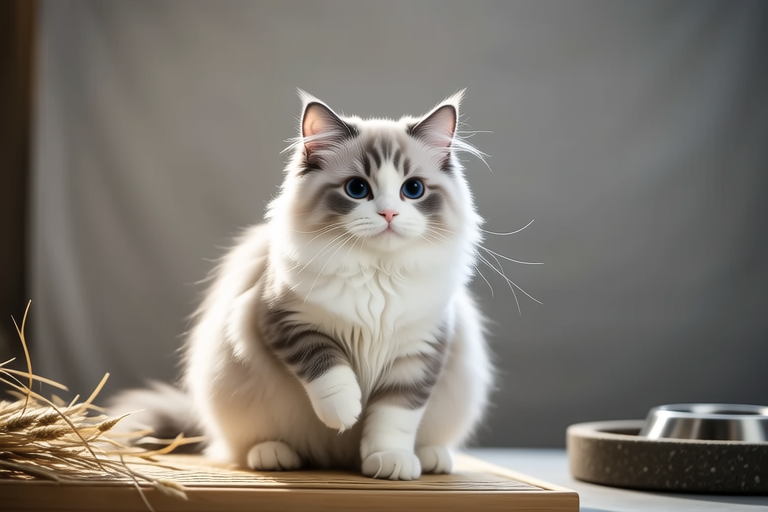
Chinchilla Care: The Ultimate Guide for First-Time Owners
Welcome to the world of chinchillas! These small, fluffy rodents make wonderful pets, but they require specific care to ensure their well-being. This guide will cover everything you need to know about caring for your chinchilla, from housing and diet to grooming and socialization.
Housing Requirements
Creating an appropriate living environment is crucial for your chinchilla’s happiness and health. Chinchillas are active animals that thrive in spacious enclosures. A wire cage with solid flooring is ideal as it allows for proper ventilation and prevents bedding from getting into their food or water. The cage should be at least 3 feet wide, 2 feet deep, and 2 feet high, but larger is always better.
Ensure the cage has multiple levels and ramps so your chinchilla can climb and explore. Add plenty of toys, such as tunnels, chew sticks, and hanging toys, to keep them mentally stimulated. Chinchillas enjoy chewing, so provide safe materials like untreated wood blocks or cardboard tubes for this purpose. Avoid plastic toys, as chinchillas may ingest harmful chemicals.
Temperature control is vital for chinchillas, as they are sensitive to heat. Keep their living area cool, ideally between 60-70°F (15-21°C). Use a thermometer to monitor the temperature and place the cage away from direct sunlight and drafts. Additionally, line the bottom of the cage with a thick layer of dust-free bedding, such as paper-based bedding or recycled newspaper products.
Diet Specifics
Proper nutrition is key to maintaining your chinchilla’s health. Their diet should consist primarily of hay, which provides essential fiber for digestion and dental health. Timothy hay is recommended for adult chinchillas, while younger ones may benefit from alfalfa hay due to its higher calcium content. Offer fresh, clean hay daily, and replace it regularly to prevent mold growth.
Commercial chinchilla pellets designed specifically for their dietary needs should also be part of their diet. These pellets provide balanced nutrition and should be offered in limited quantities to avoid overeating. Fresh, clean water should always be available, preferably in a sipper bottle attached to the side of the cage. Clean the bottle and replace the water daily to prevent bacterial growth.
Avoid feeding your chinchilla treats excessively, as they can lead to obesity and other health issues. Safe treats include small pieces of fresh fruit, such as apples or grapes, and occasional seeds or nuts. However, these should be given sparingly, as they are high in fat and sugar. Always introduce new foods gradually to monitor for any adverse reactions.
Grooming Needs
Chinchillas have dense, soft fur that requires regular grooming to maintain its quality and prevent matting. Dust baths are essential for cleaning their fur and removing excess oils. Provide a shallow container filled with special chinchilla dust approximately once a week, allowing them to roll around in it for 10-15 minutes. Remove the dust after each bath to prevent contamination.
Brushing your chinchilla’s fur gently with a soft-bristled brush can help remove loose hair and prevent tangles. Be cautious when brushing, as chinchillas have sensitive skin. Regular nail trims may be necessary, especially if their nails become too long or start curling inward. Use specialized chinchilla nail clippers and take care not to cut the quick, which contains blood vessels.
Bathing and grooming sessions are also great opportunities to bond with your chinchilla. Handle them gently and speak softly to create a positive association with these activities. Remember, grooming is not only beneficial for their physical health but also helps establish trust and strengthens the bond between you and your pet.
Health Considerations
Regular veterinary check-ups are essential for maintaining your chinchilla’s health. Find a veterinarian experienced with exotic animals, as they can provide specialized care. Schedule annual visits for routine examinations, vaccinations, and dental checks. Early detection of potential health issues can significantly improve treatment outcomes.
Common health problems in chinchillas include dental issues, respiratory infections, and digestive disorders. Signs of illness may include changes in appetite, lethargy, discharge from the nose or eyes, difficulty breathing, or changes in fecal output. If you notice any concerning symptoms, contact your veterinarian immediately.
Maintaining a clean living environment is crucial for preventing infections and illnesses. Clean the cage thoroughly every week, removing all bedding and replacing it with fresh material. Disinfect the cage and accessories using pet-safe cleaning products. Pay attention to hygiene when handling your chinchilla, washing your hands before and after interaction to prevent the spread of bacteria.
Tips for Handling and Socializing
Handling your chinchilla gently and consistently helps build trust and strengthens the bond between you. Support their body firmly with one hand under their chest and the other supporting their hindquarters. Approach them slowly and calmly, speaking softly to reassure them. Allow them to get used to being held before attempting more interactive play.
Socialization is important for chinchillas, as they are naturally curious and intelligent animals. Spend time interacting with your chinchilla daily, engaging in activities such as playing with toys or providing enrichment. Introduce new experiences gradually to prevent stress or anxiety. Positive reinforcement techniques, such as offering treats or praise for good behavior, can encourage desired actions.
Chinchillas are generally social animals and can live happily with others of their kind. However, introducing new chinchillas requires careful planning and supervision. Choose compatible companions based on age, temperament, and size. Monitor their interactions closely to ensure they get along and intervene if any aggressive behavior occurs. Separate them if necessary until they establish a peaceful relationship.
Responsibilities of Ownership
Owning a chinchilla comes with significant responsibilities. As a pet owner, you must commit to providing proper care, attention, and resources. This includes ensuring their living space is clean, safe, and stimulating. Regularly monitoring their health and seeking professional advice when needed demonstrates responsible ownership.
Time commitment is another aspect to consider. Chinchillas require daily interaction, grooming, and playtime. They are nocturnal animals, meaning they are most active during the evening and night. Be prepared to adjust your schedule to accommodate their natural activity patterns.
Financial considerations should also be taken into account. In addition to initial costs for purchasing the chinchilla and setting up their living space, ongoing expenses include food, bedding, toys, and veterinary care. Budgeting for these expenses ensures you can provide the best possible care for your pet.
Ultimately, owning a chinchilla is a rewarding experience for those willing to invest the time, effort, and resources required. With proper care and attention, you can enjoy a long-lasting, loving relationship with your furry friend.
