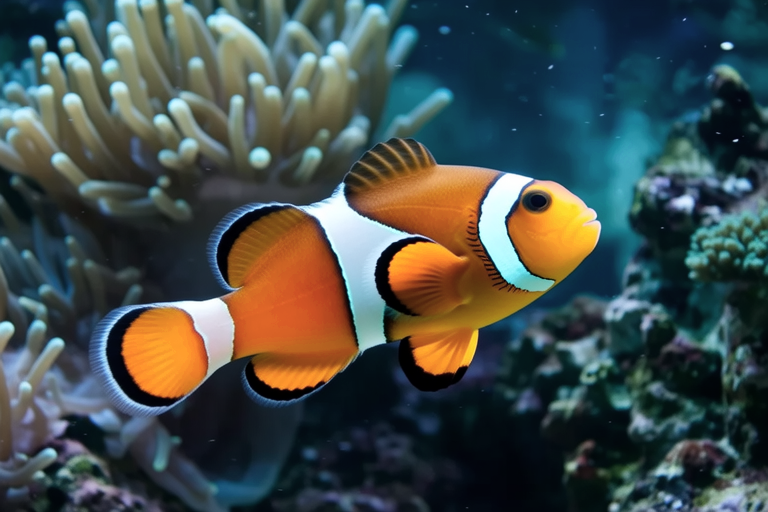
From Finding Nemo to Reality: What It’s Really Like Owning a Clownfish
The Popularity of Clownfish
Since the release of Disney’s “Finding Nemo,” clownfish have captured the hearts of millions worldwide. Their vibrant orange coloration and unique relationship with sea anemones have made them one of the most sought-after marine creatures in aquariums. However, owning a clownfish comes with responsibilities that extend beyond just having a beautiful pet. This article will guide you through the realities of owning a clownfish, from tank setup to dietary needs and common health issues.
Tank Setup Requirements
Setting up a suitable tank for your clownfish is crucial. Clownfish require a minimum tank size of 30 gallons, but larger tanks are preferable. The tank should be well-maintained, with stable water parameters. Clownfish thrive in waters with a temperature range of 76-80°F (24-27°C), a pH level between 8.1-8.4, and a specific gravity of 1.020-1.025. Regular testing and monitoring of these parameters are essential to ensure the health of your fish.
Filtration systems play a vital role in maintaining water quality. A high-quality filter that provides mechanical, biological, and chemical filtration is necessary. Additionally, a protein skimmer is recommended for saltwater tanks as it helps remove organic waste before it breaks down into harmful substances. Proper circulation within the tank also aids in preventing dead spots where waste can accumulate.
Selecting appropriate tank mates is another important consideration. Clownfish are generally peaceful, but they can become territorial when breeding. It’s best to house them with other non-aggressive species that won’t compete for food or space. Suitable tank mates include tangs, wrasses, and small shrimp. Avoid placing clownfish with large, aggressive fish or those known to prey on smaller species.
Dietary Needs of Clownfish
Clownfish are omnivores, meaning they consume both plant and animal matter. In the wild, their diet consists mainly of algae, plankton, and small invertebrates. In captivity, they can be fed a variety of foods, including flakes, pellets, frozen foods, and live foods such as brine shrimp and mysis shrimp. It’s important to provide a balanced diet rich in vitamins and minerals to ensure optimal health.
Feeding frequency depends on the age and size of your clownfish. Juveniles may need to be fed two to three times daily, while adults can be fed once or twice a day. Overfeeding should be avoided as it can lead to poor water quality and health problems. Always observe your fish’s eating habits and adjust feeding amounts accordingly.
Behavior in Captivity
In captivity, clownfish exhibit behaviors similar to those observed in the wild. They are social animals that often form pairs or small groups. Providing hiding places such as caves, rocks, and plants can help reduce stress and encourage natural behaviors. Clownfish are known for their playful nature and can sometimes be seen darting around the tank or interacting with their surroundings.
One of the most fascinating aspects of clownfish behavior is their ability to change sex. In a group, the largest individual typically becomes the dominant female, while the second-largest becomes the male. If the dominant female dies, the male can change sex and take over the role of the female. Understanding this aspect of clownfish biology can help in managing their social dynamics within the tank.
Common Health Issues
Like any pet, clownfish can suffer from various health issues. Some of the most common problems include fin rot, ich, and marine velvet. Fin rot is caused by bacteria and can result in frayed or disintegrating fins. Ich, a parasitic infection, manifests as white spots on the fish’s body. Marine velvet, another parasitic disease, appears as a velvety coating on the fish.
To prevent these issues, maintaining excellent water quality is key. Regular water changes, proper filtration, and quarantine procedures for new additions to the tank can help minimize the risk of infections. Early detection and treatment are crucial if signs of illness appear. Consulting with a veterinarian specializing in aquatic animals can provide guidance on appropriate treatments.
Tips for Choosing Healthy Clownfish
When selecting a clownfish from a breeder or pet store, there are several factors to consider. Look for fish that are active, alert, and responsive to stimuli. Their fins should be intact and free from tears or discoloration. Healthy clownfish will have clear eyes and bright colors without any signs of fading or dullness.
Check the gills for proper movement and absence of mucus or discoloration. The belly should be firm and not bloated. Avoid purchasing fish that show signs of lethargy, loss of appetite, or abnormal swimming patterns. If possible, observe the fish in its tank before making a decision to ensure it is behaving normally.
Maintaining a Thriving Environment
Maintaining a thriving environment for your clownfish requires ongoing effort and commitment. Regular maintenance tasks include cleaning the tank, checking water parameters, and ensuring proper feeding schedules. Educating yourself about marine fish care is essential to provide the best possible living conditions.
Be prepared for the long-term commitment involved in owning marine fish. Clownfish can live for several years with proper care, so it’s important to establish a routine that includes regular water changes, filter maintenance, and monitoring of water chemistry. By providing a stable and enriching environment, you can enjoy the companionship of these delightful creatures for many years to come.
Owning a clownfish can be a rewarding experience, but it requires careful planning and dedication. By understanding the specific needs of these fish and committing to their care, you can create a thriving environment that supports their well-being. Remember, the journey of becoming a responsible clownfish owner starts with education and continues with consistent attention to their needs.
